
International police network INTERPOL impounded 11,023 tons (10,000 metric tonnes) of contraband from 57 countries in an operation lasting from November 2015 to February 2016. The criminals were trafficking fraudulent food, including fish and meat deemed unfit for human consumption, foods with altered expiration dates and peanuts labeled as pine nuts.
"Fake and dangerous food and drink threaten the health and safety of people around the world who are often unsuspectingly buying these potentially very dangerous goods," said Michael Ellis, head of INTERPOL's Trafficking in Illicit Goods unit.
Advertisement
Food fraud is a lucrative business, earning perpetrators an estimated $50 billion dollars per year, according to Eater.com. Adulterated foods are replaced by cheaper substitutes or mixed with cheap additives and sold in grocery stores and restaurants all around the world.
ABC News reports that about seven percent of the United States' food supply is estimated to contain fraudulent ingredients. Here are eight everyday foods that are commonly counterfeited.
1. Seafood
Fraud is rampant in the seafood industry; the most commonly faked fish are red snapper, tuna and "wild" salmon. The Eater.com article notes that real red snapper was served only six percent of the time in a Barcode of Life study, which tested the DNA of the fish it was served.
Fraud is rampant in the seafood industry; the most commonly faked fish are red snapper, tuna and "wild" salmon. The Eater.com article notes that real red snapper was served only six percent of the time in a Barcode of Life study, which tested the DNA of the fish it was served.
2. Honey
An organization profiting $80 million per year by selling Chinese honey in the United States (banned for its high concentration of illegal antibiotics) was brought down in 2008. Honey fraud continues, however, usually by claiming to be of a particular variety or by adulteration with corn syrup or fructose. Read the labels on those little bears -- look for honey produced in small batches and without added syrup or sugar.
An organization profiting $80 million per year by selling Chinese honey in the United States (banned for its high concentration of illegal antibiotics) was brought down in 2008. Honey fraud continues, however, usually by claiming to be of a particular variety or by adulteration with corn syrup or fructose. Read the labels on those little bears -- look for honey produced in small batches and without added syrup or sugar.
3. Olive oil
Fake olive oil is so common that even foodies may not have ever actually tasted the high-quality real thing, says Larry Olmsted, food writer and author of "Real Food/Fake Food." Olive oil is often mixed with soybean, peanut or sunflower seed oil; a practice that not only lowers the health benefits of olive oil but is dangerous to those with allergies.
Fake olive oil is so common that even foodies may not have ever actually tasted the high-quality real thing, says Larry Olmsted, food writer and author of "Real Food/Fake Food." Olive oil is often mixed with soybean, peanut or sunflower seed oil; a practice that not only lowers the health benefits of olive oil but is dangerous to those with allergies.
4. Pomegranate juice
Currently enjoying popularity as a superfood, pomegranate juice is a highly valued liquid; its dark color makes it easy for fraudsters to mix it with dark grape juice or simply dilute it with water and sugar. According to ABC News, there are also reports of a completely synthetic "pomegranate juice."
Currently enjoying popularity as a superfood, pomegranate juice is a highly valued liquid; its dark color makes it easy for fraudsters to mix it with dark grape juice or simply dilute it with water and sugar. According to ABC News, there are also reports of a completely synthetic "pomegranate juice."
5. Coffee
Counterfeit coffee is a real concern: everything from soybeans, wheat, corn, barley, brown sugar, and even sticks and twigs have been used as filler, reports TIME.com. Buy whole beans whenever possible to avoid unwanted fillers.
Counterfeit coffee is a real concern: everything from soybeans, wheat, corn, barley, brown sugar, and even sticks and twigs have been used as filler, reports TIME.com. Buy whole beans whenever possible to avoid unwanted fillers.
6. Cinnamon
According to Bon Appetit, most "cinnamon" sold in the United States is actually cassia, an Asian plant related to Ceylon cinnamon that has a similar taste. In ground form, however, the "anonymous brown dust" could easily be made with coffee husks -- read the label for assurance of Ceylon cinnamon.
According to Bon Appetit, most "cinnamon" sold in the United States is actually cassia, an Asian plant related to Ceylon cinnamon that has a similar taste. In ground form, however, the "anonymous brown dust" could easily be made with coffee husks -- read the label for assurance of Ceylon cinnamon.
7. Black pepper
Ground black pepper is also easy to mix with fillers: papaya seeds, juniper berries and even chaff have all been discovered in "pepper." Avoid this problem by purchasing black pepper in whole form.
Ground black pepper is also easy to mix with fillers: papaya seeds, juniper berries and even chaff have all been discovered in "pepper." Avoid this problem by purchasing black pepper in whole form.
8. Beef: Kobe and USDA Prime
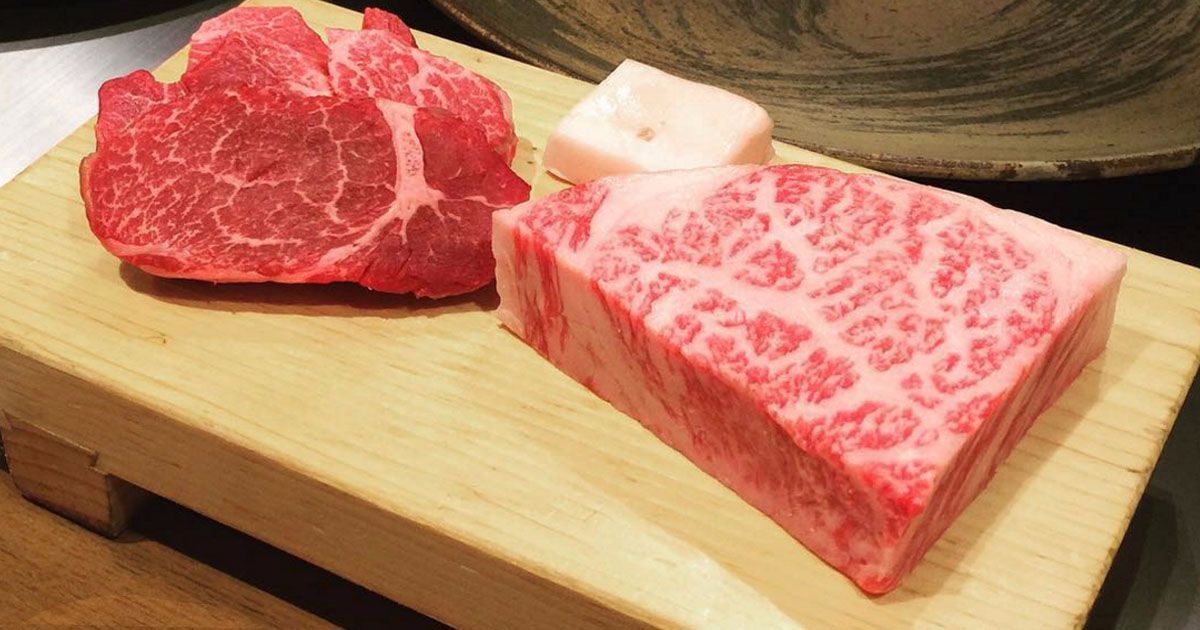
There are only nine restaurants in the United States licensed to sell Kobe beef -- and at more than $20 per ounce (28.3 grams), you can be sure that "Kobe sliders" aren't a thing. And according to Olmsted, only two percent of the beef produced in the US is graded as USDA Prime -- so if your restaurant is claiming to sell Prime meat, wait staff should be able to name the source of the meat, specifically and without hesitation.
There are only nine restaurants in the United States licensed to sell Kobe beef -- and at more than $20 per ounce (28.3 grams), you can be sure that "Kobe sliders" aren't a thing. And according to Olmsted, only two percent of the beef produced in the US is graded as USDA Prime -- so if your restaurant is claiming to sell Prime meat, wait staff should be able to name the source of the meat, specifically and without hesitation.
Advertisement
How can consumers learn to spot food fraud? In addition to reading food labels with a careful and skeptical eye, Olmsted advises purchasing foods closest to its whole form. "If you buy a whole lobster, you will get full lobster. You buy lobster ravioli, it might not have any lobster in it at all."