
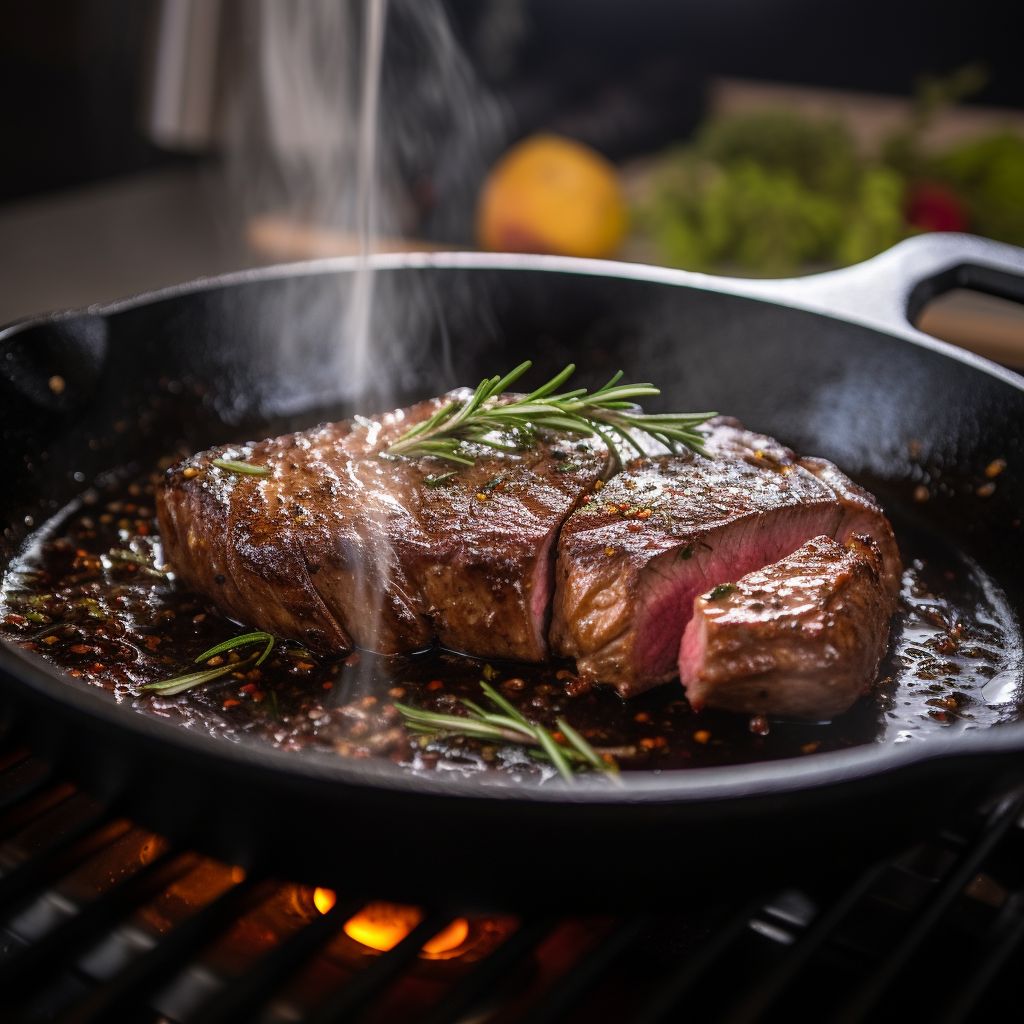
Cooking the perfect steak is truly an art form that requires precision, technique, and a deep understanding of the meat itself. Whether you're a seasoned chef or a home cook looking to elevate your cooking skills, these 7 tips will guide you towards mastering the art of cooking steak to perfection every time.
From selecting the right cut of meat to achieving the desired level of doneness, this article provides valuable insights and practical advice that will ensure your steaks are consistently cooked to juicy, tender perfection. Whether you prefer your steak rare, medium-rare, or well-done, these tips will equip you with the knowledge and skills necessary to achieve culinary excellence in your own kitchen.
Advertisement
1. Choose the right cut of steak.
Choosing the right cut of steak is crucial when aiming to cook the perfect steak every time. Different cuts of steak vary in tenderness, flavor, and fat marbling, which can greatly impact the outcome of the final dish. For instance, a tenderloin steak is exceptionally tender and lean, making it ideal for quick cooking methods like grilling or searing. On the other hand, a ribeye steak is known for its rich marbling, resulting in a juicy and flavorful steak when cooked properly. By understanding the characteristics of each cut and choosing accordingly, cooks can ensure that the steak they prepare matches their desired taste and texture.
2. Preheat your grill or pan.
Preheating your grill or pan is an essential step when cooking a steak to perfection. By preheating, you ensure that the cooking surface reaches the optimal temperature, allowing for a quick sear and a flavorful crust on the outside of the steak while maintaining a juicy and tender interior. Research has shown that preheating the grill or pan before cooking can significantly enhance the Maillard reaction, which is responsible for the browning and development of complex flavors in the steak. Additionally, when the surface is hot, it creates a barrier that prevents the steak from sticking, making it easier to handle and flip without tearing. Overall, preheating your grill or pan sets the stage for achieving a deliciously seared and evenly cooked steak every time.
3. Season the steak well.
Properly seasoning the steak helps to bring out its natural flavors and create a more enjoyable dining experience. By using a combination of salt, pepper, and other complementary spices, the steak can be elevated to a whole new level. Research has shown that seasoning the steak with salt prior to cooking helps to improve its juiciness and tenderness. Additionally, using herbs and spices like garlic, thyme, or paprika can add depth and complexity to the overall taste of the steak.
4. Cook the steak to the proper temperature.
Cooking the steak to the proper temperature ensures that it is cooked through without being overcooked, resulting in a juicy and tender steak. Research suggests that cooking a steak to a specific internal temperature allows the proteins in the meat to denature properly and ensures food safety by eliminating any harmful bacteria. For instance, cooking a medium-rare steak to an internal temperature of 135°F (57°C) allows for a pink and juicy center, while well-done steaks reach an internal temperature of 160°F (71°C) for a fully cooked, albeit potentially less flavorful, steak.
5. Let the steak rest before slicing.
Resting the steak allows the juices to redistribute evenly, resulting in a more flavorful and tender final product. When meat is cooked, the heat causes the juices to be driven towards the center. By allowing the steak to rest for about 5-10 minutes after cooking, the juices have time to settle back into the meat, ensuring each bite is moist and delicious. This step also helps retain the steak's juiciness, preventing it from becoming dry when sliced.
6. Use a meat thermometer for accuracy.
Using a meat thermometer for accuracy is a crucial tip when cooking the perfect steak. This device helps ensure that the steak is cooked to the desired level of doneness, resulting in a consistent and delicious meal. By inserting the thermometer into the thickest part of the steak, one can monitor the internal temperature and avoid overcooking or undercooking. Research has shown that the internal temperature of a steak directly correlates to its level of doneness. For example, a medium-rare steak should reach an internal temperature of 130-135°F (54-57°C), while a well-done steak should reach 155-160°F (68-71°C). By relying on a meat thermometer, chefs and home cooks alike can have confidence in serving steaks cooked precisely to their liking every time.
Advertisement
7. Experiment with different cooking methods.
Experimenting with different cooking methods is a crucial point in the context of cooking the perfect steak. By exploring various techniques, home cooks can discover their preferred method for achieving the desired level of tenderness and flavor. For example, someone who enjoys a juicy and tender steak might opt for sous vide cooking, while another individual who prefers a rich charred exterior may choose to use a hot cast-iron skillet. Moreover, experimenting with different methods allows for versatility in cooking steak, ensuring that it can be prepared to meet different dietary preferences and restrictions. Trying out techniques such as grilling, broiling, or pan-searing can provide a range of options to accommodate various tastes. Ultimately, the willingness to experiment opens up a world of possibilities for perfecting the art of cooking steak.