Sodium Chloride. NaCl. Salt. No matter what you call it, salt is an important substance. Our bodies need three to eight grams of the stuff to function properly. In the past, it was so valuable that people fought wars over it and were even paid in it.
Today, it’s still a necessity in most homes for its flavor-enhancing abilities. A shaker of salt, along with its piquant companion, black pepper, are standard condiments in homes across the United States. Many home chefs use it sparingly when preparing meals as it makes any dish, savory or sweet, taste better.
Though salt is commonly used to accent foods, it also has a myriad of other uses. There may be as many as 14,000 uses for salt, and here are some of them.
1. Give an old sponge lifeWhen your cleaning sponges look like they are on their last legs, you can use salt to revamp them. You just need to soak them overnight in a quart (liter) of water that has one fourth cup of salt added to it.
 2. Kill garbage disposal odors
Funky garbage disposal got you down? Never fear. Salt can come to your rescue. Just a half a cup of salt, dumped directly into a disposal, and a little water will freshen the smelliest garbage disposal.
 3. Unstick stuck food
Food that gets baked on to pans can be a pain to remove. A little salt makes things easier. If you have dishes with baked on food, sprinkle salt on the baked on bits and add a little water. Let the dishes sit for a while before you wash them. You’ll be amazed at how easily the food comes off.
 4. Pick up spilled eggs
 If you accidentally drop an egg on the floor, you can clean up your mess quickly by sprinkling salt on the fallen egg. When you wipe it up with a paper towel, the egg will come up easily.
 5. Vanquish grease fires
Fires during cooking are inevitable. To put out a grease fire fast, throw a handful of salt on the flames. Keep a box of salt next to your stove for the sole purpose of extinguishing grease fires.
 6. Prevent mold on cheese
If you buy cheese, use it for a day and the next day, it seems like you have to toss it because it’s moldy, use salt. You can prevent mold on cheese by wrapping a block of cheese in a saltwater soaked paper towel before putting it in the fridge.
 7. Keep your milk fresh
Salt in milk? Yes, indeed. A pinch of salt, when added to milk or cream, helps it stay fresher for a longer period of time.
 8. Keep windows frost-free
On those particularly blustery days, you can keep your kitchen window frost-free with a bit of salt. After you wash your windows, sponge them down in some salt water and let it dry. When the frost comes, your windows will be clear.
 9. Shell nuts easier
Nuts with hard shells, when soaked in a saltwater solution for a few hours, are easier to crack.
 10. Easier oven cleaning
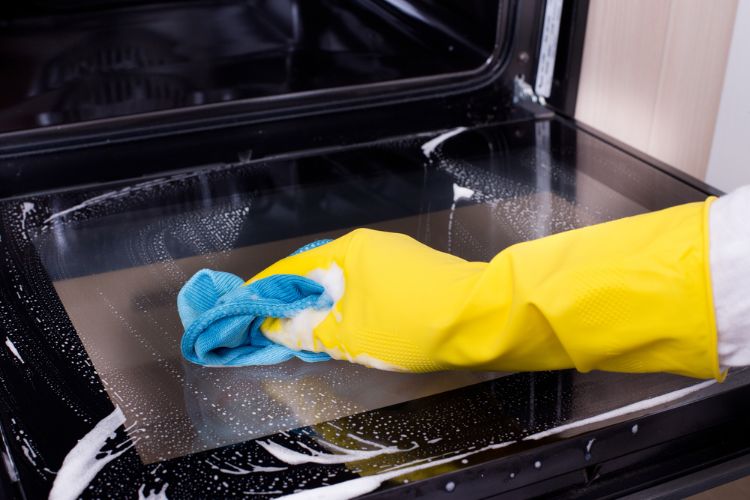
One thing that always needs to be cleaned in a kitchen is the oven. That’s because food is always bubbling up out of pans and baking dishes. To prevent the food that makes its way over the edges of your dishes into your oven from creating a stuck-on, burnt mess, sprinkle any spills with salt immediately. When you oven is cool, you’ll be able to wipe the stain right up with a cloth or sponge.
 11. Sparkling glasses
If you’ve tried everything to get stubborn stains off your glassware, use salt and vinegar. Soak the discolored glassware in the salt and vinegar solution overnight. When you wake up the next morning, your glassware should be as good as new.
 12. Removes burned milk
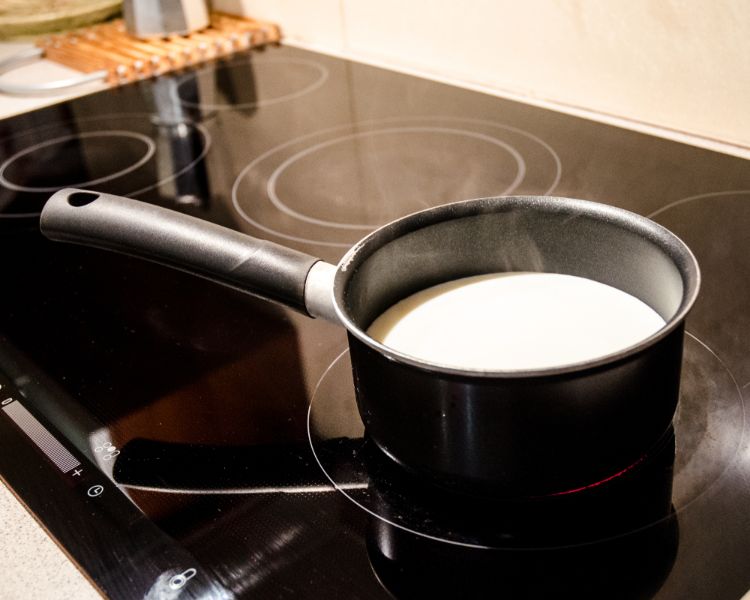
Salt can even help remove burned milk stains and the smell associated with it. If you have burned milk in a pan, add a little salt to the pan. Let it sit for a while, and then try to wash it.
 13. Clean cast iron dishes
Soak up extra grease in cast iron dishes before you wash them by adding a little salt to the pot or pan. When you are ready to wash the dish, wipe out the salt.
 14. Nix lipstick smudges
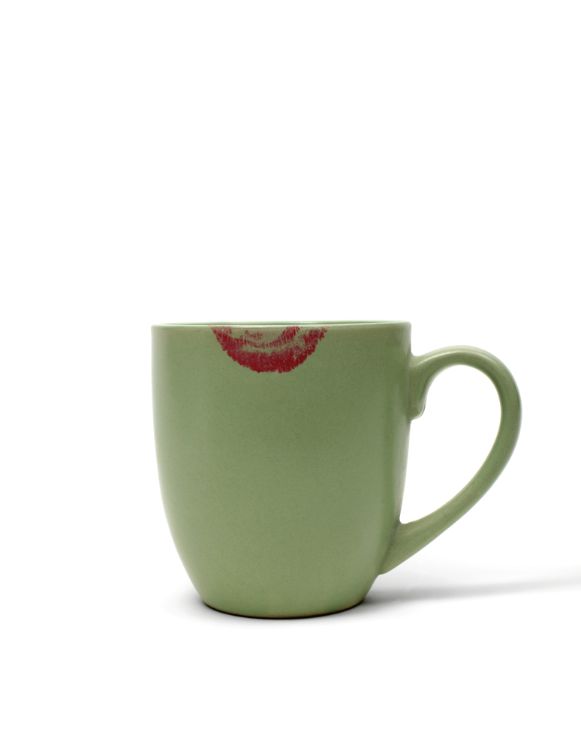
Long-stay lipstick may make your lips look alluring for hours, but when lipstick adheres to dishes, it makes them hard to clean. A little salt rubbed on lipstick-stained dishes will remove the stuff before you wash them.
 15. Freshen up cutting boards
You can make your cutting boards and breadboards look as good as new by rubbing them with a cloth wet with saltwater.
 16. Check an egg’s freshness
Eggs typically don’t have an expiration date on them. If you have some eggs in your fridge that you want to use, but you aren’t sure about, try placing the egg in a cup of water that has two teaspoons of salt in it. If the egg is fresh, it’ll sink. If it floats, it’s old.
 17. Fridge cleanup
A chemical-free way to clean your fridge is to use a handful of salt mixed with a gallon (3.7 liters) of water. You can use the mixture to sponge clean the inside of your fridge without harming surfaces.
 18. Speed cleanup of messy dough
Dough stuck to your countertop? Use salt. Sprinkle a little salt on your floured surface and use a sponge to wipe it up. Easy peasy.
 19. No more coffee stains
Coffee is delicious to drink. Unfortunately, substances in the beverage can leave unsightly rings in mugs. You can eradicate the stains by salting a sponge and rubbing it directly on the rings.
 20. Clean teapot spouts
Like your favorite coffee mug, teapot spouts get stained from tea. To clean a teapot spout, put salt in the spout and let it sit overnight. Run boiling water through the tea pot the next day to make it shine.
 21. Revive a coffee percolator
A dirty coffee percolator makes dirty tasting coffee. Clean dirty percolators by adding four tablespoons of salt and filling the percolator up with water. Percolate the saltwater solution and then rinse the percolator. Your next batch of coffee should taste great.
 22. Prevent grease splatters
Adding salt to a frying pan before you begin frying food that can splatter prevents the grease from spattering.
 23. Save burnt coffee
Most people don’t like the way burnt coffee tastes. If you made coffee and it tastes overly bitter, a dash of salt can restore its sweetness.
 24. Speed up cooking time
Ever wonder why people add salt to a pot of water before they boil it? It turns out that just adding salt to the water makes it boil more quickly by forcing the water to cook at a higher temperature.
 25. Remove shells effortlessly
Removing shells from hard-boiled eggs can be tricky. A little salt added to the water you plan on boiling your eggs in will help you enable you to take the shells off effortlessly.

