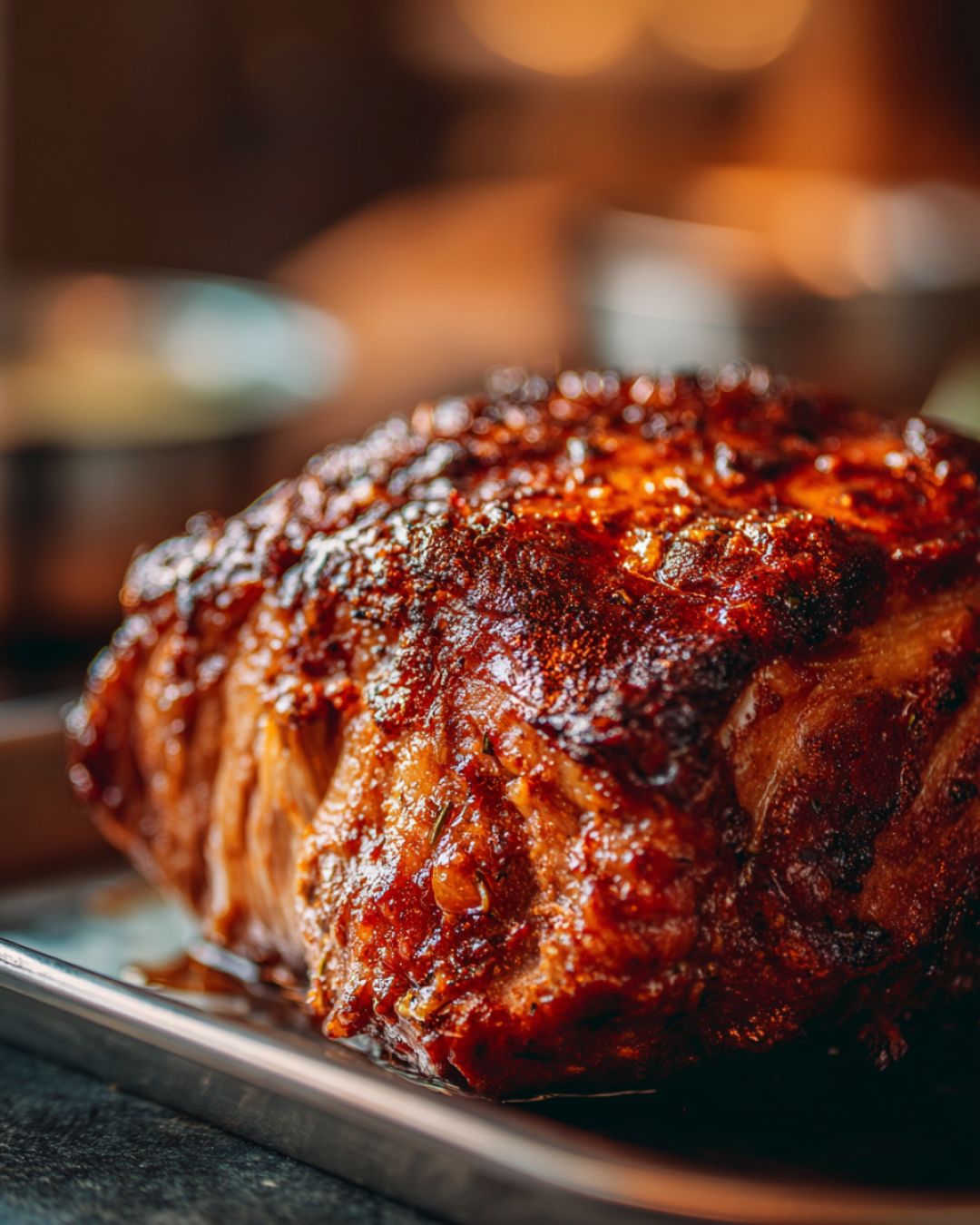
Out here in the country, a pot of slow-cooked pork and gravy has a way of making the whole house feel settled and safe. This little 3-ingredient version is the kind of recipe you tuck in your back pocket for busy days, church potlucks, or when the grandkids show up hungry and you don’t want to fuss with a sink full of dishes. Pork shoulder has long been the workhorse cut in Midwestern kitchens—tough enough to be affordable, rich enough to turn silky and tender with a long, slow cook. My mother used to say, “Give pork shoulder time and it’ll give you comfort,” and this recipe proves her right. With just a roast, a can of soup, and a packet of gravy mix, you get the kind of old-fashioned, stick-to-your-ribs supper that tastes like it simmered on the back of a farmhouse stove all afternoon, even if you only spent five minutes putting it together.
This pork and gravy is the sort of main dish that just begs for a good starch to soak up every drop. I like to spoon it over a big scoop of creamy mashed potatoes or buttered egg noodles, the way my mother did on Sundays after church. In the summer, it’s lovely alongside sweet corn and sliced garden tomatoes, while in the colder months it pairs nicely with roasted carrots, green beans, or a simple cabbage slaw. A basket of warm dinner rolls or buttermilk biscuits never goes to waste here, either—folks will use them to mop up the last of the gravy. If you’re feeding a crowd, set the slow cooker on warm and lay out the pork, gravy, and a pan of mashed potatoes buffet-style, and let everyone build their own plates.
3-Ingredient Slow Cooker Pork Shoulder and GravyServings: 6-8 servings
Ingredients
3 to 4 pounds boneless pork shoulder (also called pork butt)
1 (10.5-ounce) can condensed cream of mushroom soup (or cream of chicken)
1 (0.87- to 1-ounce) packet dry pork or brown gravy mix
Directions
Pat the pork shoulder dry with paper towels. If there are any very large, loose pieces of fat, you can trim them off, but leave most of the fat for flavor and tenderness.
Place the pork shoulder in the bottom of a slow cooker (4- to 6-quart works well). If it’s too large to lie flat, tuck the ends in so the lid can close properly.
In a small bowl, whisk together the condensed cream soup and the dry gravy mix until mostly smooth. You do not need to add water to the soup; use it straight from the can.
Pour the soup and gravy mixture evenly over the pork shoulder, coating the top and sides as much as possible.
Cover the slow cooker with the lid and cook on LOW for 8 to 10 hours, or on HIGH for 4 to 5 hours, until the pork is very tender and easily pulls apart with a fork.
Once the pork is done, carefully transfer it to a cutting board or large plate. Use two forks to shred or chunk the meat into bite-sized pieces, discarding any large pieces of fat as you go.
Skim off any excess fat from the surface of the gravy in the slow cooker, if desired. Return the shredded pork to the slow cooker and stir it gently into the gravy until everything is well coated.
Taste the pork and gravy and adjust with a little salt and pepper if needed, keeping in mind that the soup and gravy mix already contain salt. Serve hot over mashed potatoes, noodles, or rice, with extra gravy spooned on top.
Variations & Tips
If you grew up in a house like mine, you know every cook has their own way with a pot of pork and gravy. You can swap the cream of mushroom soup for cream of chicken or cream of celery, depending on what’s in the pantry—each one gives the gravy a slightly different, but still very homey, flavor. For a little extra depth, sprinkle the pork with black pepper, garlic powder, or onion powder before adding the soup mixture. If you like a looser gravy, stir in 1/2 to 1 cup of water or chicken broth along with the soup and gravy mix. For a richer, creamier sauce, add a splash of heavy cream or a spoonful of sour cream at the end of cooking, stirring it into the hot gravy. You can also add sliced onions or a handful of mushrooms under or around the pork before cooking; they’ll melt down into the gravy and remind you of the kind of Sunday dinners that lingered long after the dishes were done. Leftovers reheat beautifully and can be tucked into sandwiches, served over toast, or spooned into a baked potato for a second, easy meal.