
This slow cooker 3-ingredient lemon pudding cake is the kind of dessert that makes people lean over the table and whisper, “Who made this?” My sister served it at her bridal shower years ago in our little Midwestern church basement, and every single guest asked for the recipe. They were stunned when she said it was only three ingredients and the slow cooker did all the work.
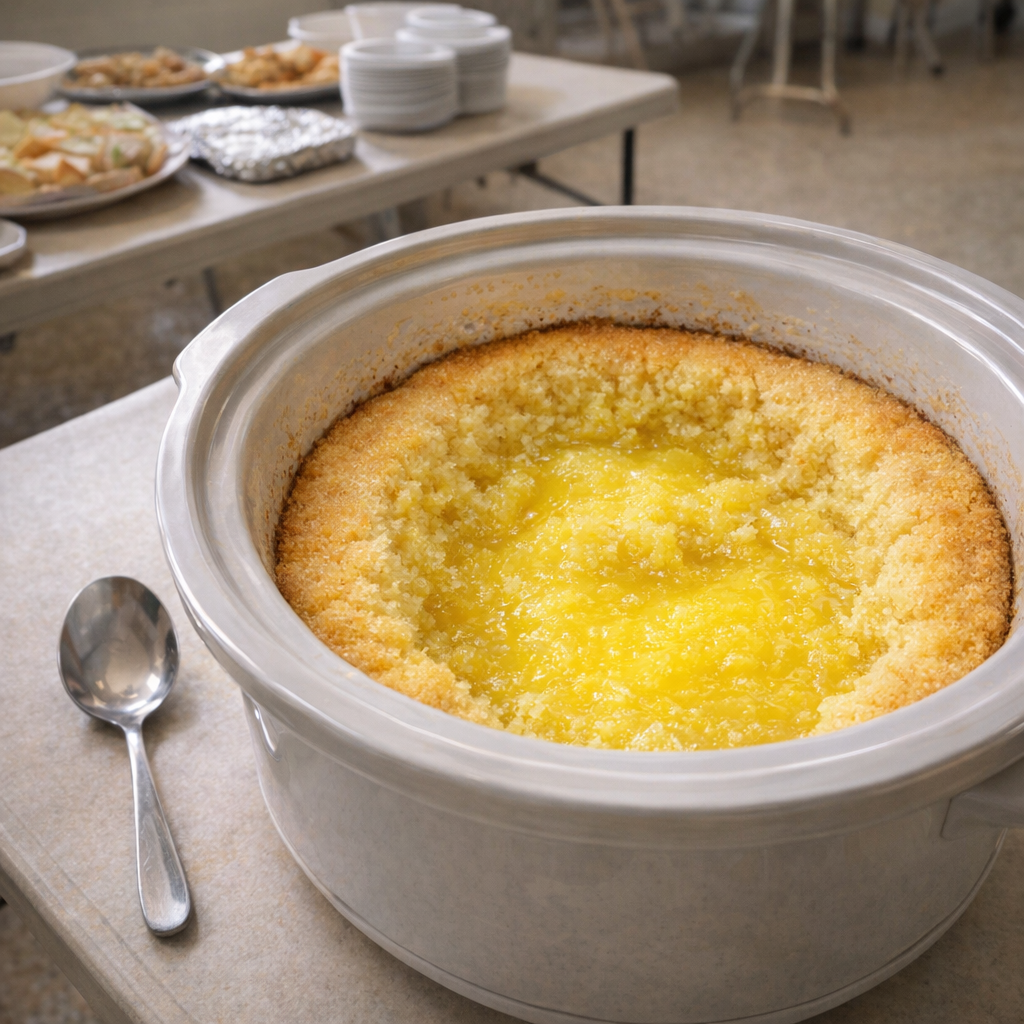
The edges bake up like a soft, golden sponge cake, while the center stays bright yellow, gooey, and pudding-like. It reminds me of the simple “magic” desserts our mothers used to make for potlucks—practical, unfussy, and absolutely irresistible.
Serve this lemon pudding cake warm right out of the slow cooker, with a big spoon for scooping through the golden edges into the gooey center. It’s lovely on its own, but a dollop of whipped cream or a small scoop of vanilla ice cream melts into the warm lemon and makes a simple country supper feel special.
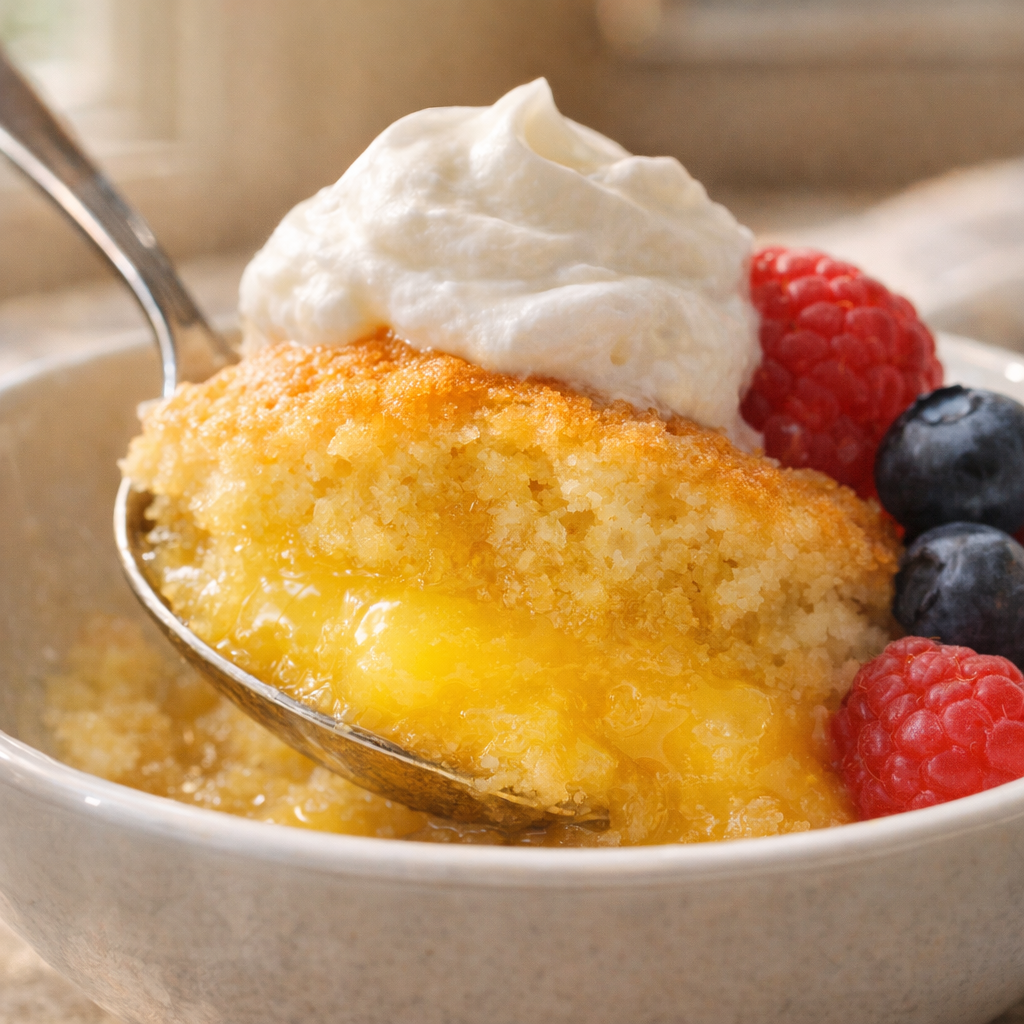
A few fresh berries on the side brighten the plate even more. Coffee or hot tea is perfect alongside, and for a shower or brunch, it pairs nicely with a light chicken salad, fruit tray, and little sandwiches.
Slow Cooker 3-Ingredient Lemon Pudding Cake
Servings: 6-8
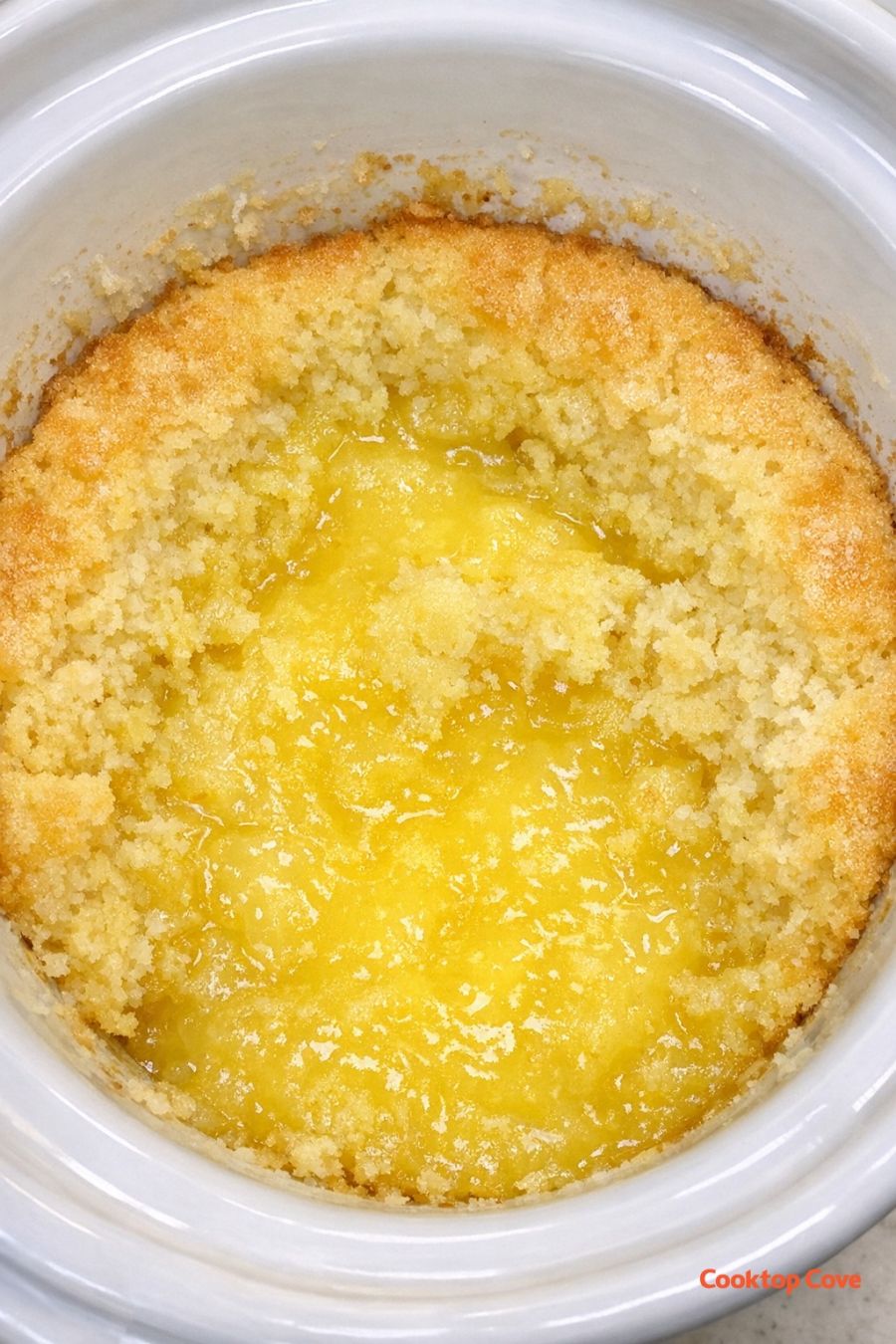
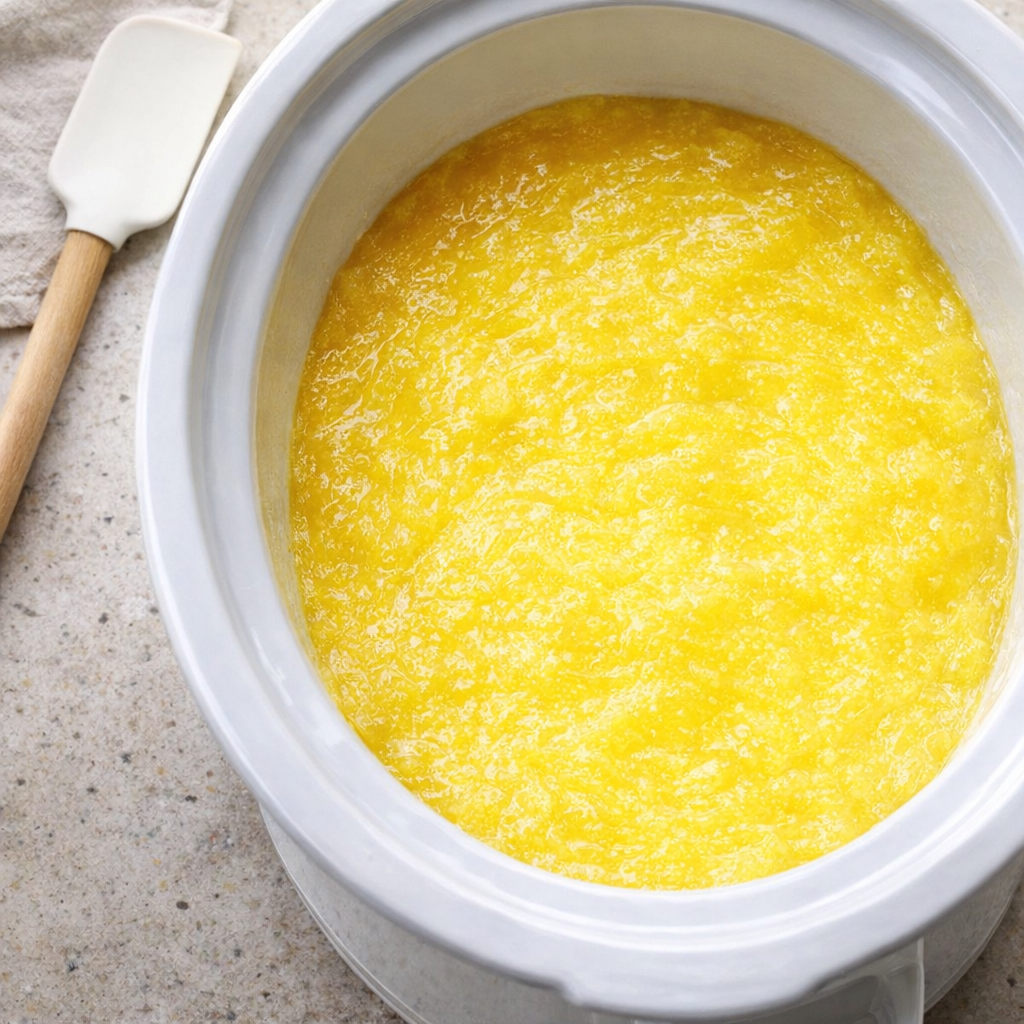
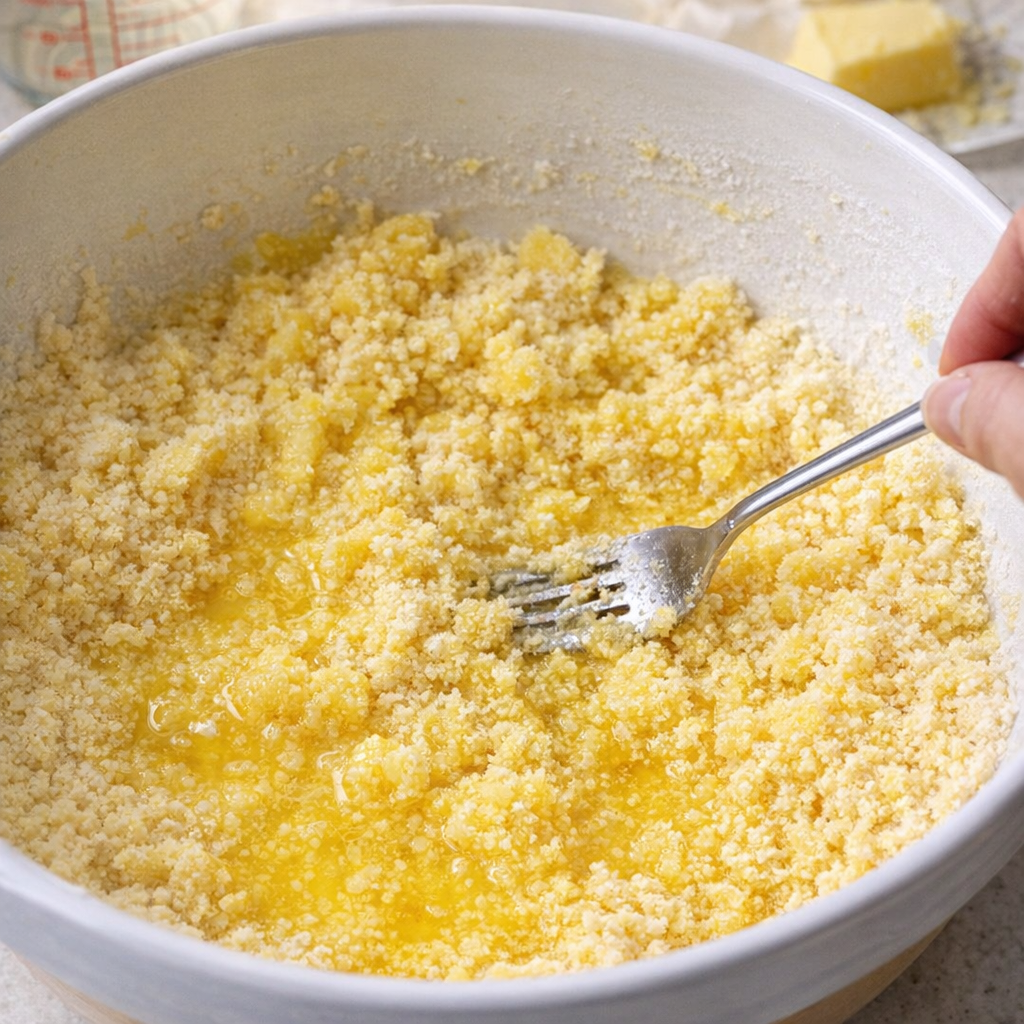
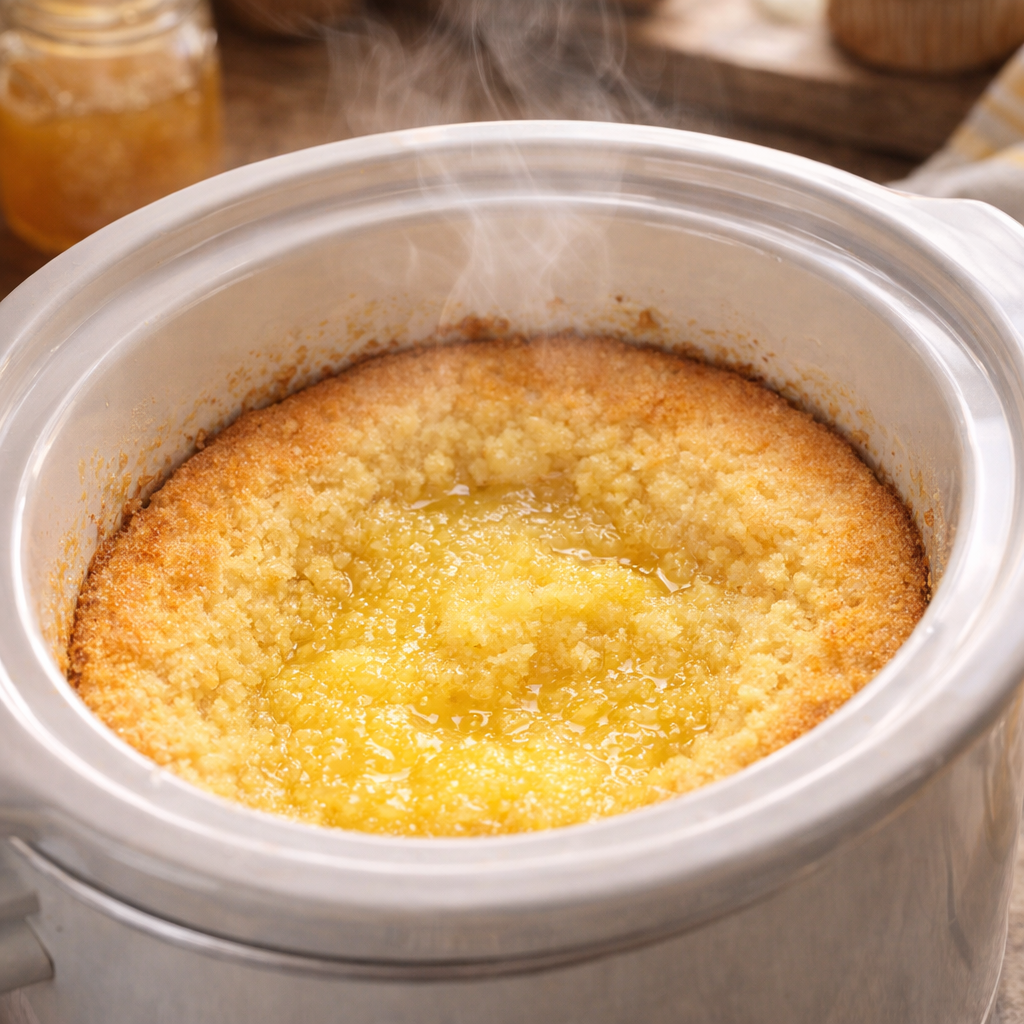
For a little extra lemon punch, you can stir 1–2 teaspoons of grated lemon zest into the lemon pie filling before adding the cake layer (this keeps the ingredient list simple in spirit, even if it technically adds a fourth). If you prefer a slightly lighter texture on top, you can use a butter-flavor yellow or lemon cake mix instead of plain yellow. For a smaller gathering, halve all ingredients and use a 3- to 4-quart slow cooker, checking for doneness earlier.

To dress it up for showers or holidays, spoon the warm pudding cake into small glass dishes and top with whipped cream and a few fresh raspberries or blueberries.
Food safety tips: Always cook this dessert on LOW or HIGH as directed; do not use the “keep warm” setting for the initial cooking, as it may not heat the dessert evenly or safely. Because of the moist, pudding-like center, refrigerate leftovers within 2 hours of serving. Reheat leftovers until hot and steaming before eating, and discard any portions that have sat out at room temperature for more than 2 hours. If using a very old slow cooker, make sure the cord and insert are in good condition, and never leave it unattended on an unstable or cluttered surface.