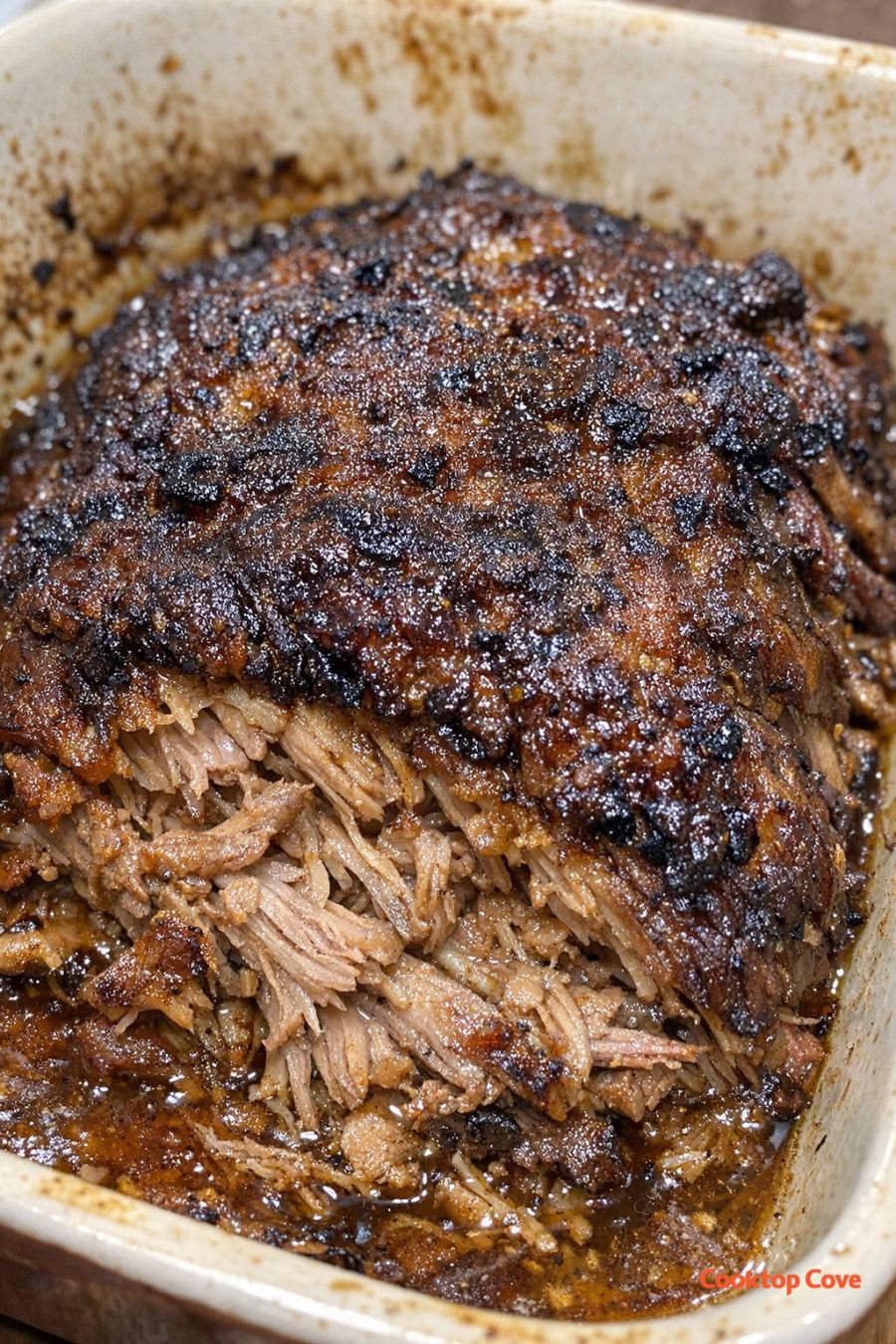
This 3-ingredient oven fibrous bake is my go-to backyard barbecue side when I want dinner essentially handled before guests arrive. It leans on a single sturdy, fibrous vegetable—cabbage—roasted low and slow until its strands turn silky inside and crisp at the edges, then finished with an umami-rich crust from miso and butter. It borrows from Japanese pantry flavors (miso as the savory backbone) and classic Midwestern practicality: minimal ingredients, hands-off cooking, and a big payoff of deep, caramelized flavor.
Serve this straight from the baking dish alongside grilled chicken, sausages, burgers, or ribs—it holds beautifully on the buffet and stays tasty even as it cools. I like to pair it with something fresh and crunchy, like a simple vinegar slaw or sliced tomatoes with salt and olive oil, to contrast the rich, umami crust. It’s also excellent tucked into a toasted bun with grilled brats, or piled next to smoky baked beans and corn on the cob for a fully hands-off barbecue spread.
3-Ingredient Umami Crust Cabbage BakeServings: 6
Ingredients
1 medium green cabbage (about 2 to 2 1/2 pounds), outer leaves removed and cut into thick wedges
1/2 cup unsalted butter, melted (1 stick; plus a little extra for greasing the dish if needed)
1/4 cup white or yellow miso paste
Directions
Preheat your oven to 375°F (190°C). Lightly butter a medium ceramic baking dish (about 9x13 inches or similar) to prevent sticking and to encourage browning around the edges.
Prepare the cabbage: Cut the cabbage into 6 to 8 thick wedges, keeping the core intact so each wedge holds together. Arrange the wedges cut-side up in a single, snug layer in the baking dish. The fibrous layers should be visible and slightly fanned so they can catch the sauce.
Make the umami butter: In a small bowl, whisk the melted butter and miso paste together until smooth and fully combined. It may look slightly thick and glossy—that’s perfect for forming a flavorful crust.
Coat the cabbage: Spoon or brush the miso-butter mixture generously over the tops and exposed sides of the cabbage wedges, dividing it evenly. Try to get some of the mixture between the layers without breaking the wedges apart; this helps flavor the inner fibers as they roast.
Cover and start roasting: Cover the baking dish tightly with foil. Roast in the preheated oven for 35 to 40 minutes, until the cabbage is beginning to soften and steam has built up under the foil. This covered phase allows the fibrous cabbage to become tender without drying out.
Uncover to caramelize: Remove the foil carefully, watching for steam. Baste the cabbage with any buttery juices in the bottom of the dish. Return the uncovered dish to the oven and continue roasting for 25 to 35 minutes, basting once or twice, until the cabbage is very tender at the core and the tops are deeply browned with a caramelized, umami-rich crust.
Rest and serve: Let the cabbage bake rest for about 5 to 10 minutes so the juices settle and the crust sets slightly. Serve the wedges straight from the ceramic dish, spooning the browned, savory pan juices over the top of each portion.
Variations & Tips
You can swap the green cabbage for Savoy cabbage or Napa cabbage; both will still give you that fibrous, layered texture, though they may cook a bit faster, so start checking earlier. For a smokier backyard vibe, use smoked butter if you have it, or whisk 1/2 to 1 teaspoon of smoked paprika into the miso-butter mixture (this keeps the ingredient list conceptually close while still honoring the 3-ingredient base). If you prefer a milder saltiness, choose white miso; for deeper savoriness, go with red or mixed miso, but reduce the amount slightly if you’re sensitive to salt. To make the dish dairy-free, replace the butter with an equal amount of a neutral oil or olive oil; you’ll get a slightly less rich crust, but still excellent browning and umami. Leftovers reheat well in a hot oven or skillet, and are great chopped into fried rice or tossed with hot pasta. Food safety tips: Keep the cabbage refrigerated until you’re ready to prep, and wash the outer leaves if they look dusty before trimming. If you melt butter in the microwave, use a microwave-safe container and handle carefully to avoid burns. Because miso is salty, there’s no need to add extra salt; oversalting can make the dish unpleasant, so taste a small roasted piece before deciding to add anything at the table. Refrigerate leftovers within 2 hours of serving, store in a covered container, and reheat to at least 165°F (74°C) before eating.