
This oven baked 4-ingredients cheesy beef zucchini bake is exactly the kind of dish that shows up when a Midwestern garden suddenly explodes with zucchini. My neighbor brought a pan of this over one August evening, still bubbling under a blanket of cheese, and it disappeared so fast I asked for the recipe on the spot.
It’s weeknight-easy, uses just four main ingredients you probably already have, and turns a pile of zucchini and a pound of ground beef into a cozy, lasagna-adjacent casserole without the fuss of boiling noodles or making a separate sauce.
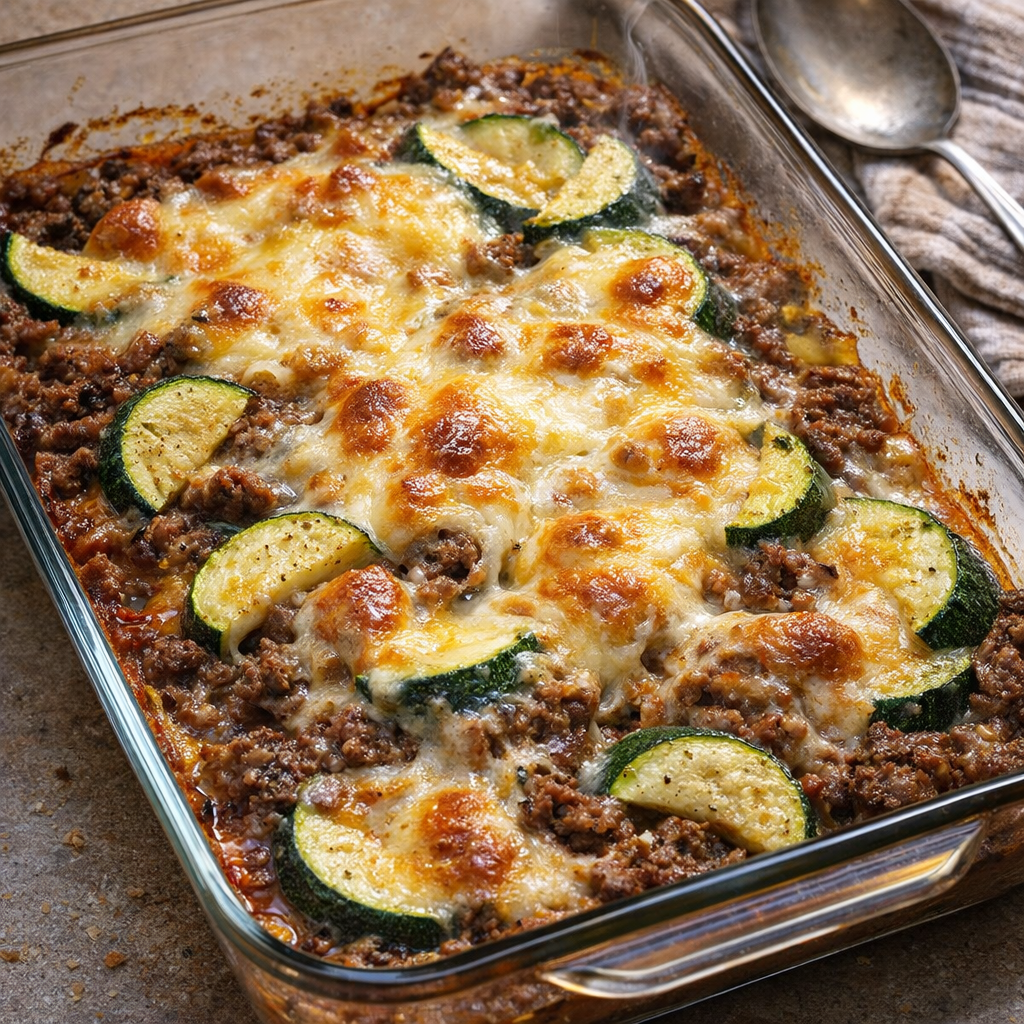
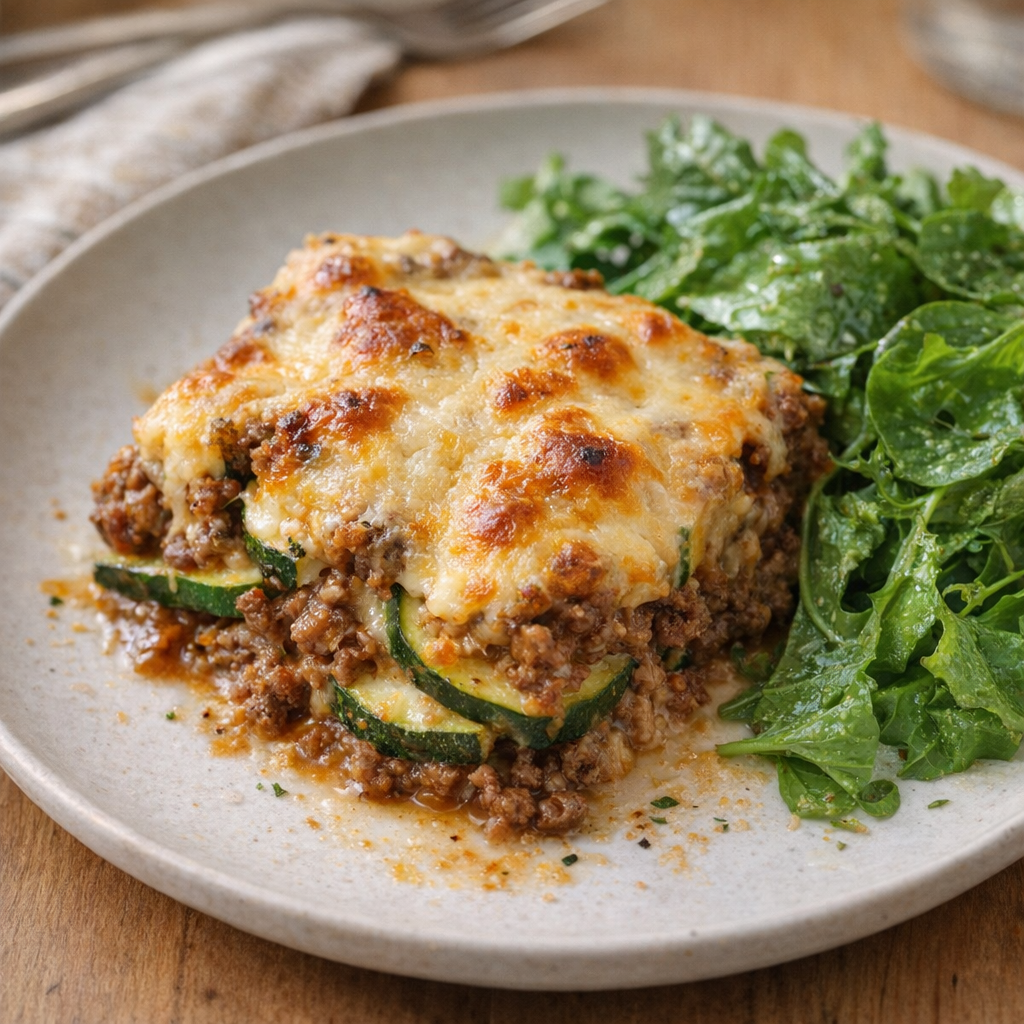
Serve this cheesy beef zucchini bake straight from the oven with a simple green salad dressed in a bright vinaigrette to cut through the richness, and some crusty bread or garlic toast to scoop up the saucy bits from the bottom of the pan. It’s also nice with steamed green beans or roasted carrots if you want more vegetables on the plate.
For a heartier spread, pair it with buttered egg noodles or rice on the side; the extra starch soaks up the seasoned beef juices and melted cheese nicely.
Cheesy Beef Zucchini Bake
Servings: 6
Ingredients
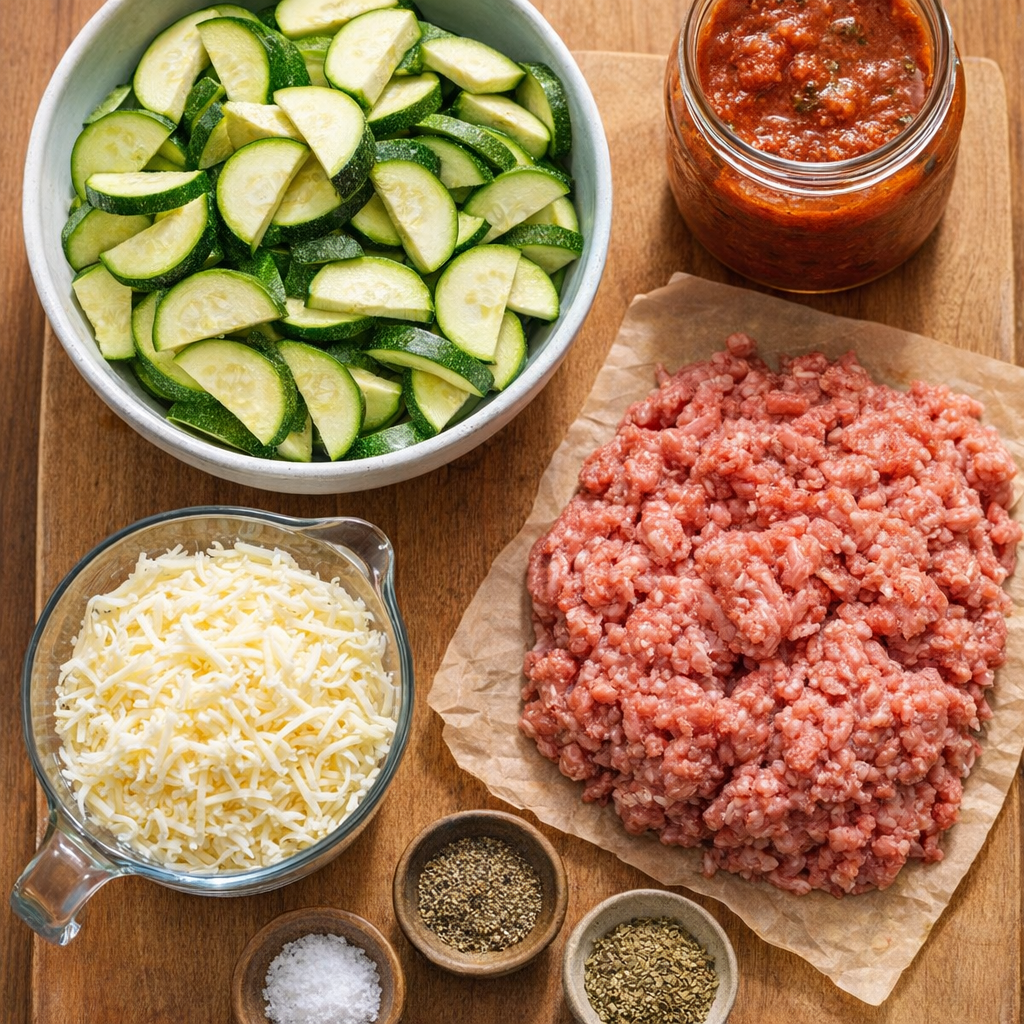
1 lb (450 g) lean ground beef
3 medium zucchini, thinly sliced into rounds (about 6–7 cups)
2 cups (about 8 oz / 225 g) shredded mozzarella cheese, divided
1 1/2 cups (12 oz / 340 g) jarred marinara or pasta sauce
1 tsp kosher salt, divided
1/2 tsp freshly ground black pepper, divided
1 tsp dried Italian seasoning or dried oregano (optional, for extra flavor)
1–2 tsp olive oil or neutral cooking oil (for greasing the pan)
Directions
Preheat the oven to 375°F (190°C). Lightly grease a 9x13-inch (or similar) glass baking dish with olive oil or cooking spray. This helps keep the zucchini from sticking and makes cleanup easier.
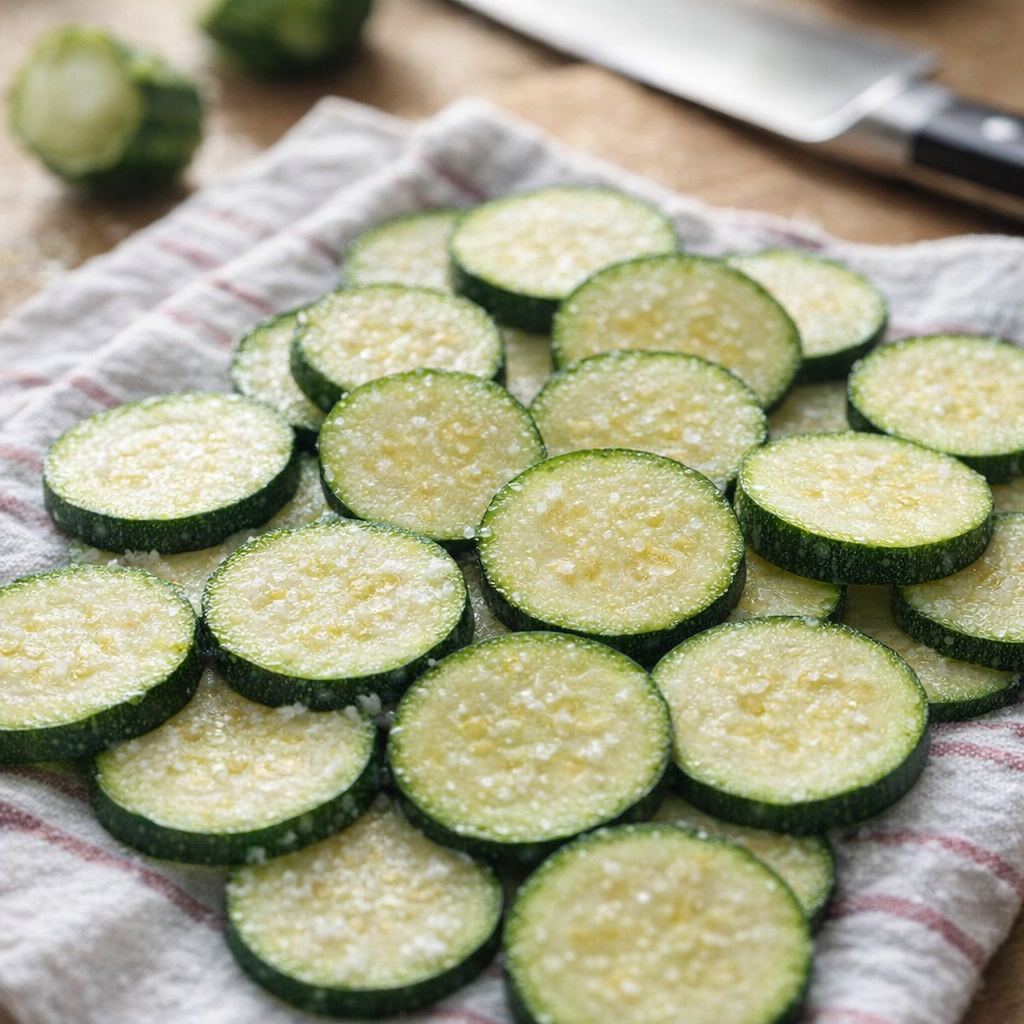
Prep the zucchini: Rinse the zucchini and pat dry. Trim the ends, then slice into thin rounds, about 1/4 inch thick. The thinner the slices, the more tender they’ll become in the oven.
Spread the slices on a clean kitchen towel or paper towels and lightly sprinkle with about 1/2 teaspoon of the salt. Let them sit while you cook the beef; this draws out a bit of moisture so the casserole isn’t watery.
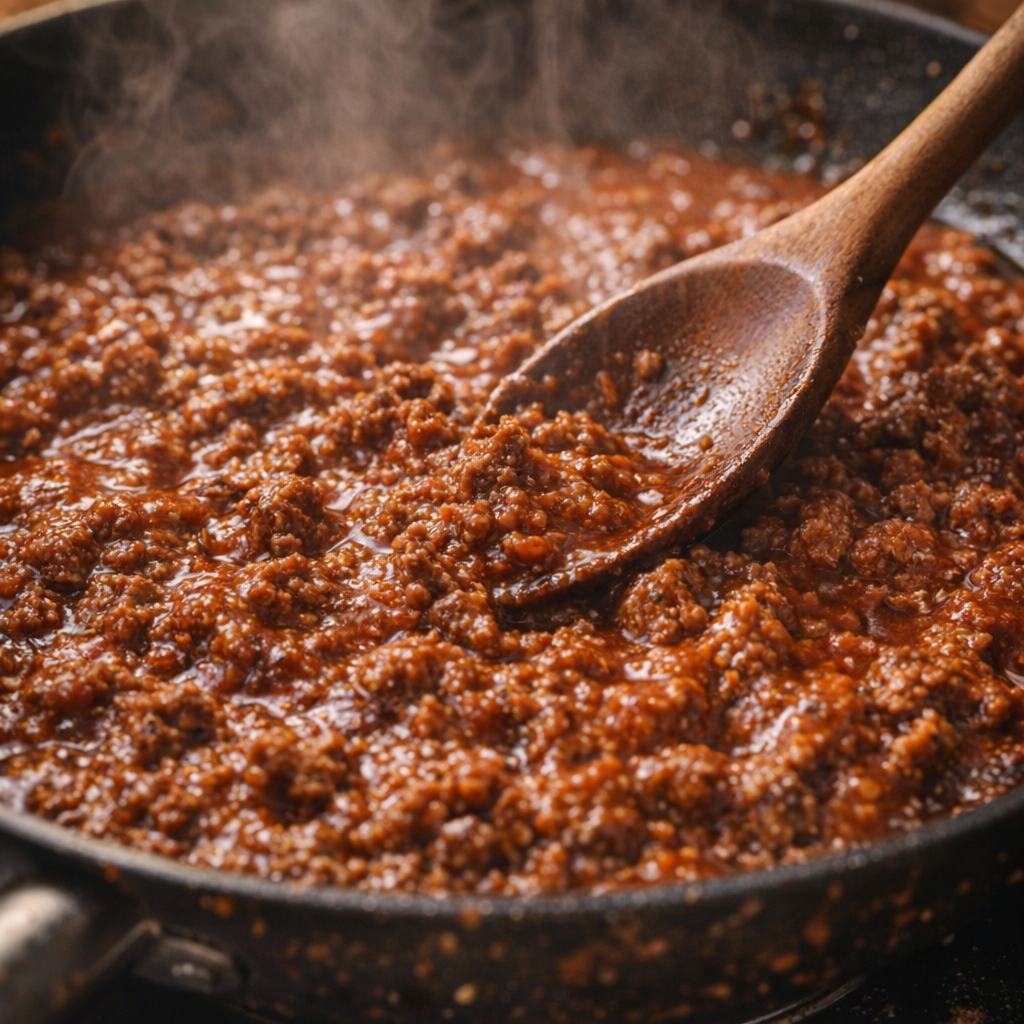
Brown the ground beef: In a large skillet over medium-high heat, add the ground beef. Season with the remaining 1/2 teaspoon salt, 1/4 teaspoon pepper, and the dried Italian seasoning or oregano if using. Cook, breaking the meat into small crumbles with a spoon, until browned and no pink remains, about 6–8 minutes.
Drain and sauce the beef: If there is noticeable grease in the pan, carefully drain off most of the fat into a heat-safe container (never down the sink). Return the skillet to low heat and pour in the marinara or pasta sauce.
Stir to coat the beef and let it simmer for 2–3 minutes so the flavors marry. Taste and add the remaining 1/4 teaspoon pepper if you like a bit more seasoning.
Blot the zucchini: Before layering, gently press another towel or paper towel over the salted zucchini slices to blot away the moisture that has beaded up on the surface. This small step helps the finished bake stay saucy but not soupy.
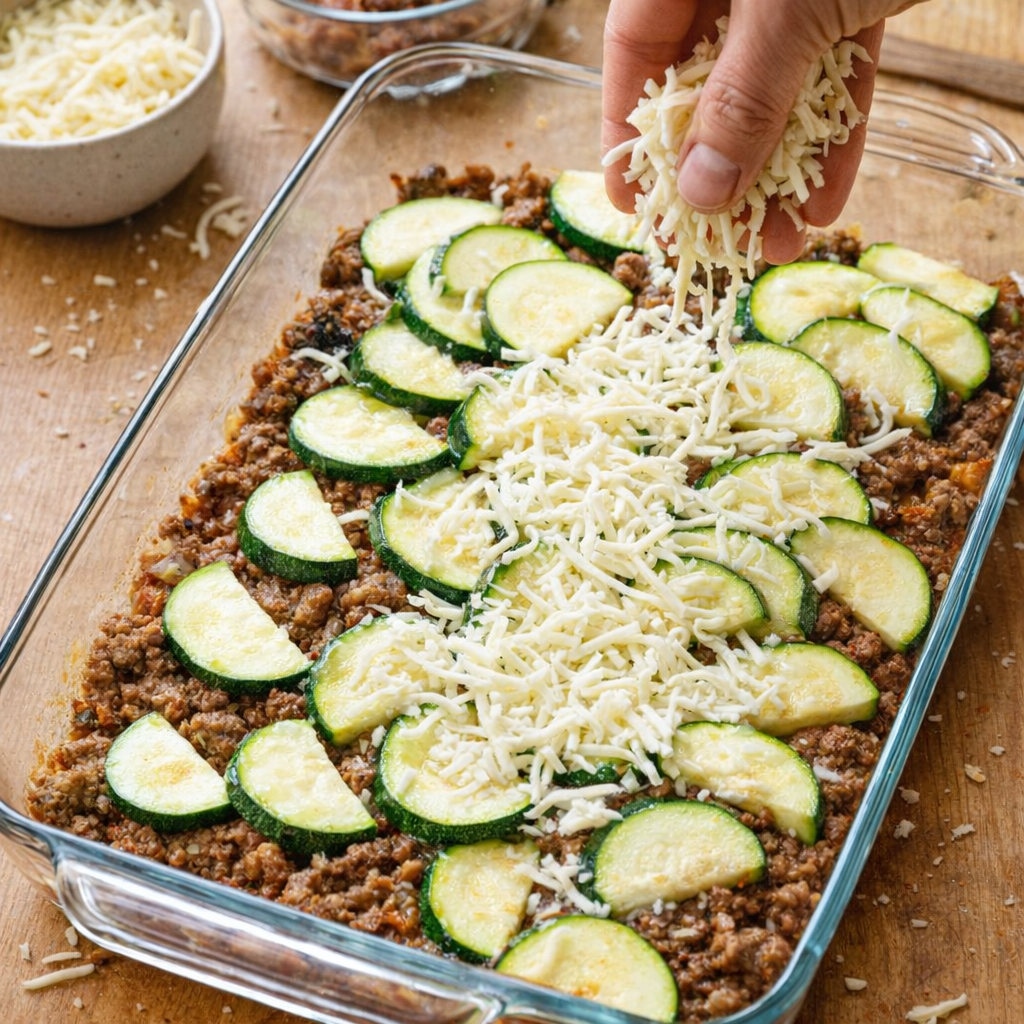
Layer the casserole: Spread about one-third of the sauced beef mixture in the bottom of the greased baking dish. Arrange a layer of zucchini slices over the beef, overlapping them slightly like shingles. Sprinkle about one-third of the shredded mozzarella over the zucchini.
Repeat these layers two more times—beef, zucchini, cheese—finishing with a generous top layer of cheese so it can melt into a golden, bubbly crust.
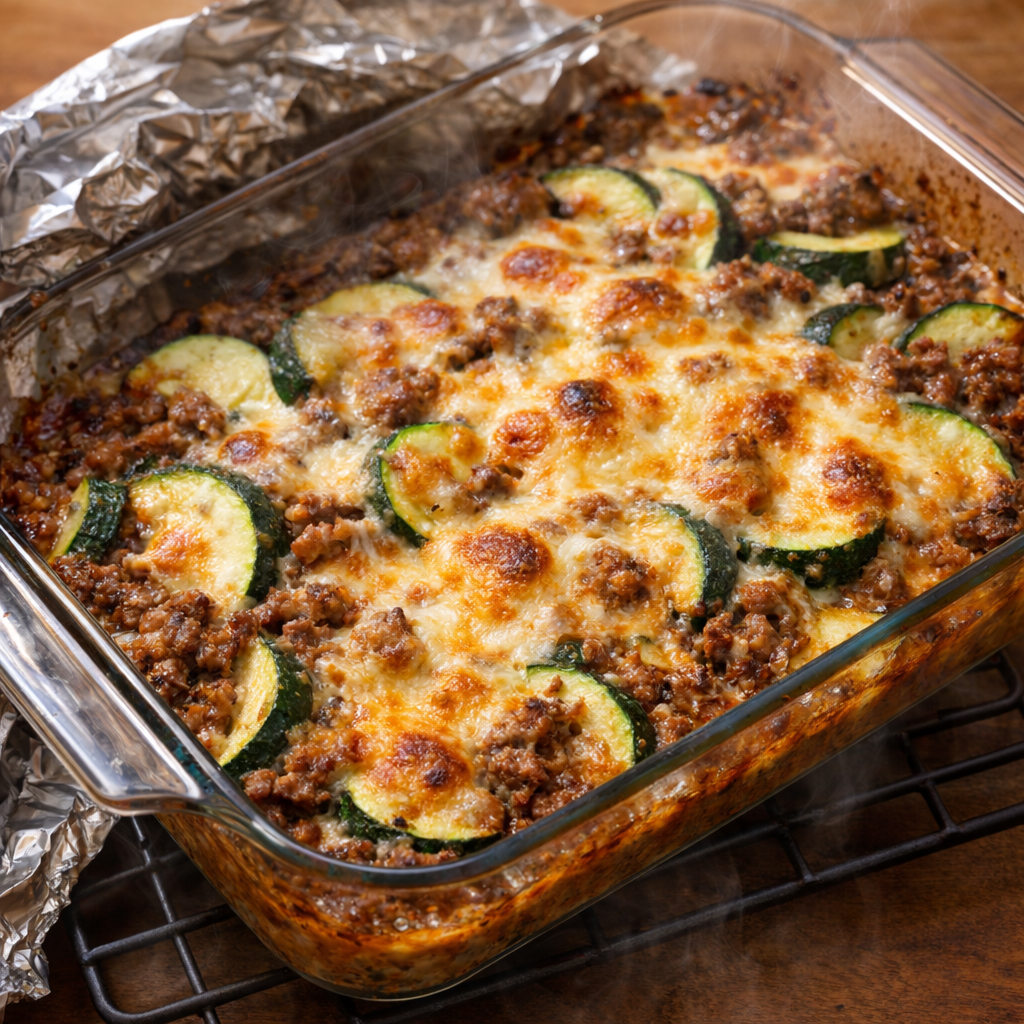
Bake until tender and bubbly: Cover the dish loosely with foil, tenting it so it doesn’t stick to the cheese. Bake covered for 20 minutes. Remove the foil and continue baking for another 15–20 minutes, or until the zucchini is tender when pierced with a knife and the cheese on top is melted, browned in spots, and bubbling around the edges.
Rest before serving: Carefully remove the casserole from the oven and let it rest on a heat-safe surface for about 10 minutes. This brief rest allows the layers to settle so the slices hold together better when you serve them, and it gives the very hot cheese a chance to cool slightly.
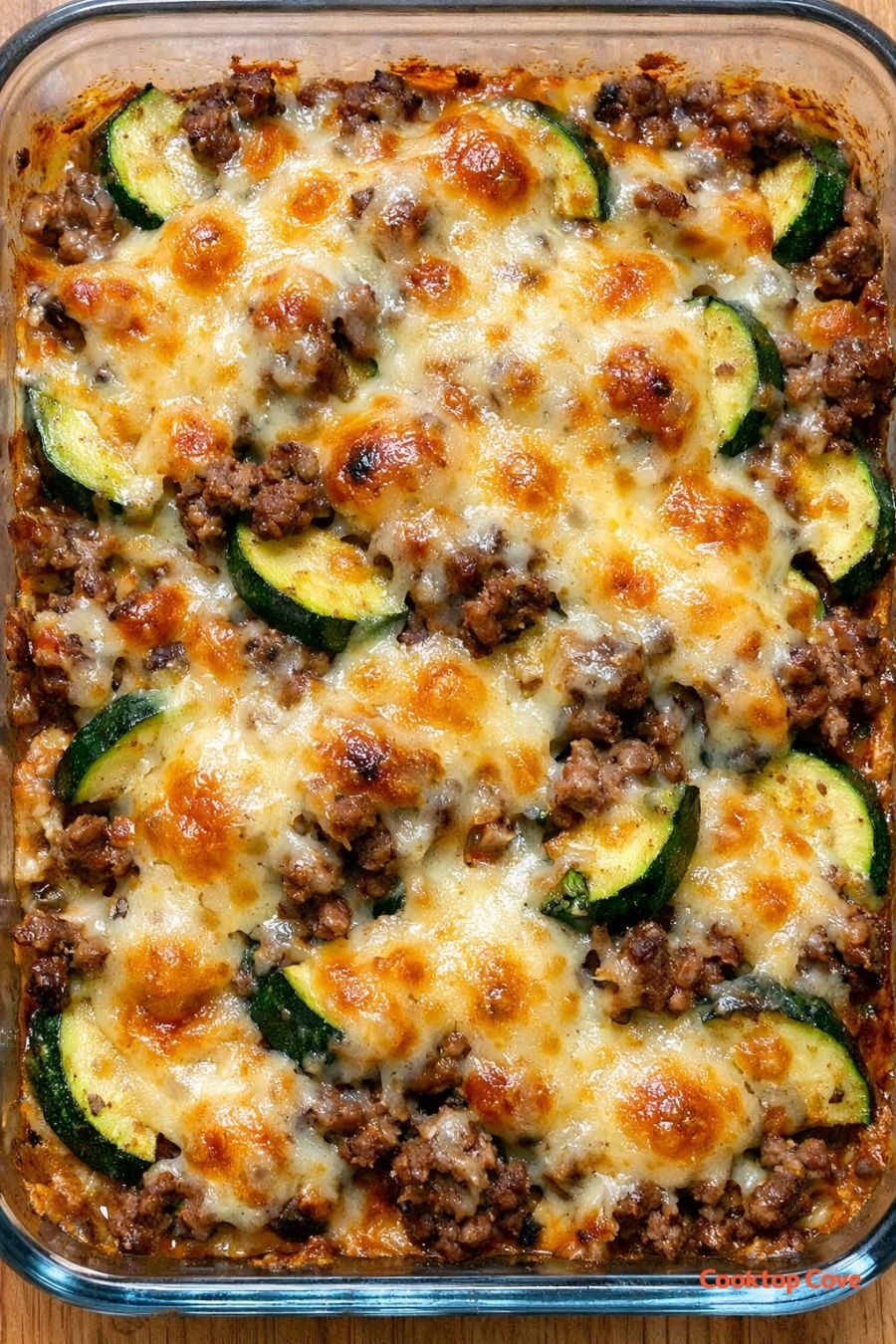
Serve: Use a spatula to scoop out generous squares, making sure to dig all the way down to get the saucy beef and tender zucchini from the bottom. Serve hot, straight from the glass dish, just as you would a lasagna.
Leftovers keep well and reheat nicely in the oven or microwave.
Variations & Tips
To keep this true to the spirit of a neighborly garden casserole, I like to treat the four core ingredients as non-negotiable: zucchini, ground beef, marinara, and mozzarella. Everything else is flexible.
You can swap part of the mozzarella for shredded cheddar, provolone, or an Italian blend for a slightly different flavor and color on top. If you prefer a lighter dish, use 90–93% lean ground beef or even ground turkey, but be sure to season generously since leaner meats can taste a bit flat.
For a little heat, add a pinch of red pepper flakes to the beef as it browns. If your garden is really overflowing, tuck in thin slices of yellow squash or a few tomato slices between the zucchini layers. You can also add a dusting of grated Parmesan over the top before baking for extra savoriness.
If you need to make this ahead, assemble the casserole, cover tightly, and refrigerate up to 24 hours. Add 5–10 minutes to the baking time if you’re starting from cold. Leftovers can be cooled completely, covered, and refrigerated for up to 3–4 days; reheat in a 350°F (175°C) oven until hot in the center, or microwave individual portions.
Food safety notes: Always cook ground beef to a safe internal temperature of 160°F (71°C). When browning the meat, ensure there is no pink remaining and that any juices run clear before you add the sauce.
Drain excess fat into a heat-safe container and discard once cooled; don’t pour it down the sink. If you’re assembling ahead, keep the casserole refrigerated until you’re ready to bake, and don’t leave it at room temperature for more than 2 hours total. When cooling leftovers, divide large amounts into shallower containers so they chill quickly and stay out of the temperature danger zone (40–140°F / 4–60°C) for as short a time as possible.