Classic sugar cookies are one of those recipes that quietly anchor American home baking. They likely evolved from simple European butter cookies and colonial-era “sugar biscuits,” where sugar was still a bit of a luxury. Over time, as sugar and flour became more affordable, these cookies turned into an everyday treat—simple enough for a Tuesday, nostalgic enough for the holidays. This pared-down, three-ingredient version strips the recipe back to its essentials: butter, sugar, and flour. You get a tender, crisp-edged cookie with a clean, buttery flavor that’s perfect for decorating, dunking into coffee, or just nibbling warm from the pan. It’s an ideal recipe for beginners, kids in the kitchen, or anyone who wants a reliable, no-fuss cookie that still feels classic and comforting.
These simple sugar cookies pair beautifully with a cup of coffee, tea, or a cold glass of milk. Because they’re not overly sweet or heavily flavored, they sit nicely alongside richer desserts—think a scoop of vanilla or coffee ice cream, a bowl of fresh berries, or a creamy pudding. For a dessert platter, mix them with chocolate cookies, shortbread, and something nutty for contrast. They also make a nice base for a make-your-own dessert bar: set out bowls of melted chocolate, sprinkles, and chopped nuts, and let everyone dip and decorate. If you’re serving them after a meal, they’re especially good following something savory and hearty, like a roast chicken or a simple pasta, where a light, crisp cookie is a gentle way to finish.
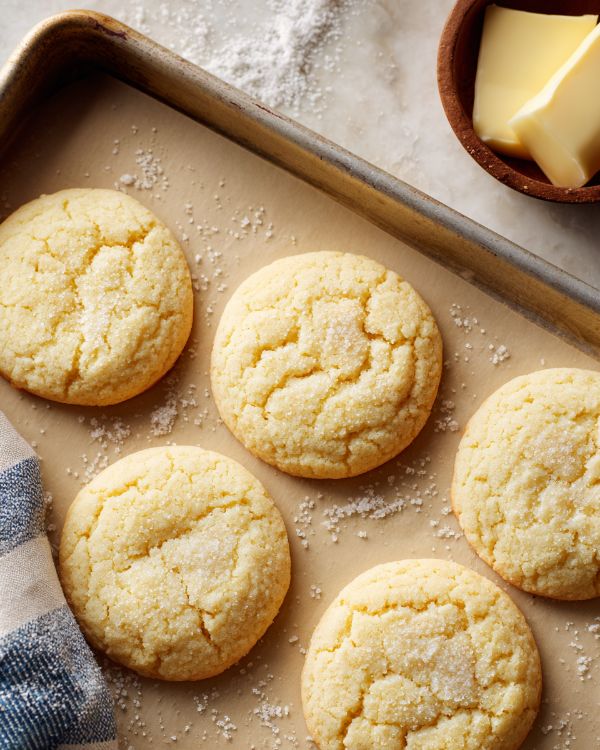
3-Ingredient Classic Sugar CookiesServings: 18–24 cookies
 Ingredients
1 cup (2 sticks / 226 g) unsalted butter, softened to room temperature
1/2 cup (100 g) granulated sugar
2 cups (240 g) all-purpose flour
Directions1. Preheat your oven to 350°F (175°C). Line 2 baking sheets with parchment paper or lightly grease them. This helps prevent sticking and promotes even browning.
2. In a medium bowl, beat the softened butter and granulated sugar together until light and creamy, 2–3 minutes. You can use a hand mixer, stand mixer, or a sturdy wooden spoon; the goal is to dissolve some of the sugar and incorporate air for a more tender cookie.
3. Add the flour in two additions, mixing gently after each addition. Stir just until the dough comes together and no dry patches of flour remain. The dough will be soft but should hold together when pressed. If it looks crumbly, keep gently pressing and folding—it usually comes together with a bit of handling.
4. Scoop out about 1 tablespoon of dough at a time and roll it between your palms into balls. Place the dough balls on the prepared baking sheets, spacing them about 2 inches apart to allow for slight spreading.
5. Gently flatten each ball with the bottom of a glass, the palm of your hand, or the back of a measuring cup to about 1/4-inch thickness. For a more traditional sugar cookie look, you can lightly sprinkle the tops with a pinch of extra granulated sugar before baking.
6. Bake the cookies for 10–12 minutes, or until the edges are just turning a light golden color and the centers look set. They will firm up as they cool, so avoid overbaking if you prefer a more tender texture.
7. Remove the baking sheets from the oven and let the cookies cool on the sheets for about 5 minutes to set. Then transfer them to a wire rack to cool completely. Once cooled, store the cookies in an airtight container at room temperature for up to 5 days.
Variations & TipsBecause this recipe is so minimal, it’s a great canvas for small tweaks. For a hint of flavor without adding extra ingredients to the dough itself, you can roll the dough balls in cinnamon sugar before flattening for a snickerdoodle-style twist, or press a small pinch of citrus zest into the tops of the cookies right before baking. If you’d like a crisper cookie, flatten the dough a bit thinner and bake for an extra 1–2 minutes, watching closely so they don’t overbrown. For softer cookies, pull them from the oven as soon as the edges set and the centers no longer look wet. You can also play with shape and presentation: press the dough into a log, chill until firm, then slice and bake for neat, uniform rounds; or use the bottom of a patterned glass to create a decorative imprint when you flatten them. After baking, these cookies take well to simple decorations—dip half of each cookie in melted chocolate and let it set, or drizzle a thin icing over the top if you don’t mind stepping slightly beyond the three-ingredient base. The core formula, though, remains the same: butter for richness, sugar for sweetness and texture, and flour for structure.
