
If you've ever cooked fresh fish at home, you know that the smell can be quite overwhelming. That sharp aroma can settle into a kitchen and cling to your hands long after supper is over, something I learned years ago in my own country kitchen whenever Friday fish was on the stove.
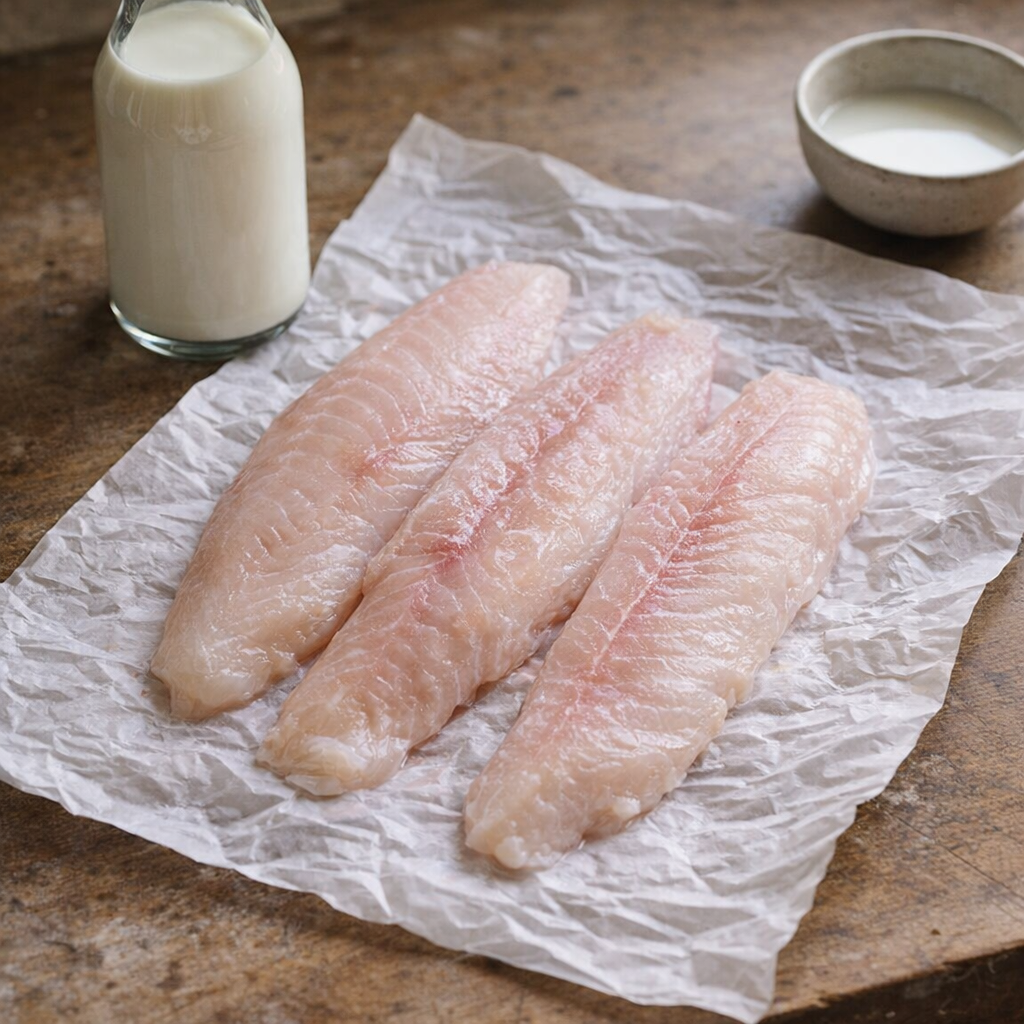
Many home cooks are always looking for a good way to tame that odor without covering up the gentle flavor of the fish itself.
In my own search for a practical answer, I came back to an old kitchen trick that has been passed around for generations: soaking fish in whole milk. It sounded like the sort of plainspoken advice you might hear from an aunt at the church potluck or over a fence line in the Midwest, and that alone made me curious enough to try it.
So I gave it a go with a few fresh fillets I had just brought home. What happened was simple, but eye-opening, and it reminded me once again that sometimes the old ways stay around because they truly work.
The decision to use whole milk was not made lightly. Whole milk has long been known for helping soften strong odors, thanks to its fat content and proteins. Those parts of the milk can bind with some of the compounds responsible for that fishy smell and reduce their intensity.
I wanted to see whether this would let the fish keep its natural flavor while taking away the smell I didn’t want. Using something as ordinary as whole milk felt practical and economical, the sort of kitchen wisdom that suits a rural cook just fine.
The process itself was easy and did not ask much of me. I placed the fresh fillets in a shallow dish, making sure they were lying flat and not overlapping. Then I poured in enough whole milk to cover them completely, which for four fillets took about 2 cups.
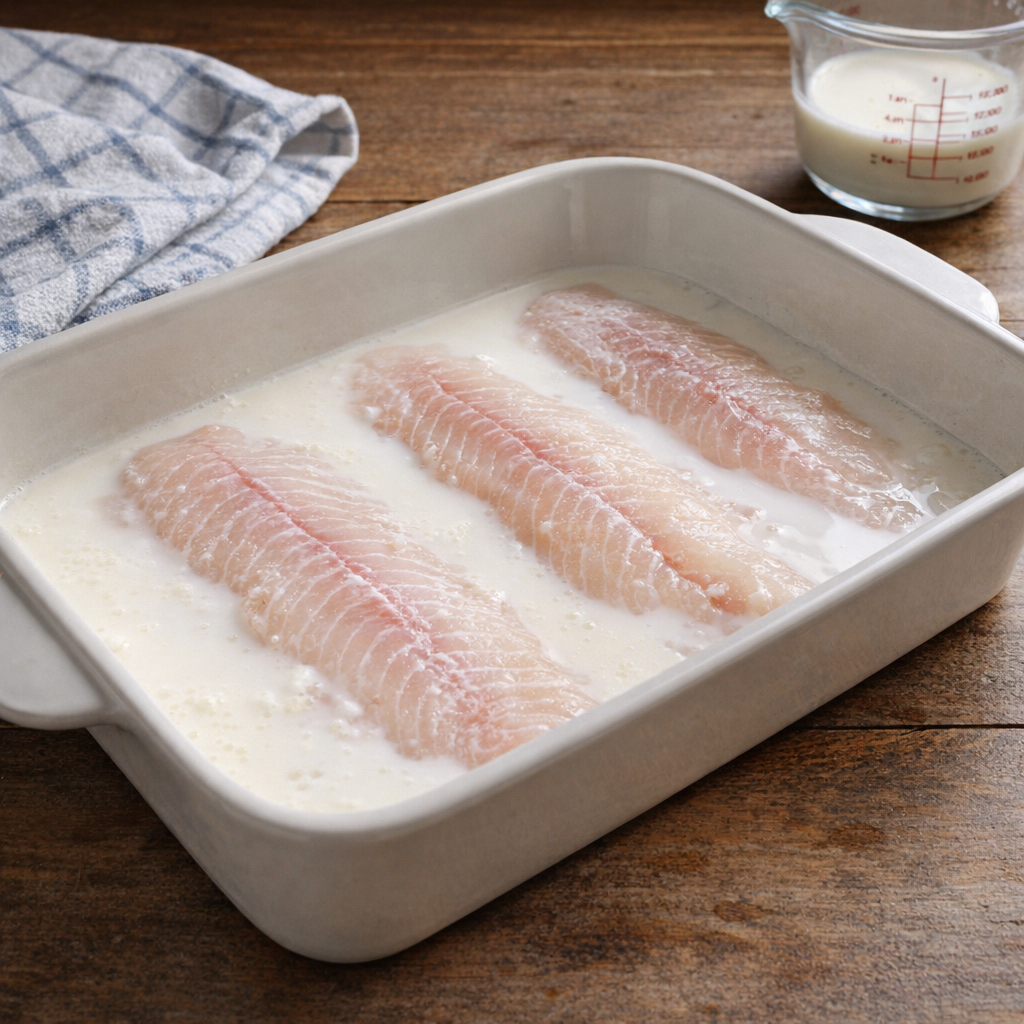
I left the fillets to soak for 30 minutes at room temperature, stirring the milk very gently once in a while so each piece had even contact. When the time was up, I lifted the fillets out and patted them dry with paper towels before moving on with supper.
The science behind this little trick has to do with casein, one of the proteins in milk. Casein can bind with trimethylamine, which is the compound chiefly responsible for the fishy smell many of us notice the moment a package is opened.
Once the casein binds with that compound, the odor becomes much milder. On top of that, the fat in whole milk can mellow some of the stronger fish oils, helping tame the aroma without changing the true taste of the fillet.
Before the soak, the fillets had that noticeable fishy smell that seemed strongest right after I removed them from their packaging. The flesh itself looked fresh and firm, with a slight sheen and a pretty whitish-pink color that told me the fish was still in good condition.

Even so, the aroma was unmistakable. Anyone who cooks fish often, especially oilier varieties, will recognize it right away.
After half an hour in the milk bath, the fillets came out subtly changed. The fishy smell had eased considerably, and in its place was a faint creamy scent from the milk. The texture still felt firm to the touch, which told me the soak had not damaged the fish.
The color looked just a little lighter, likely from the milk, but the fillets still looked natural and fresh. Altogether, they seemed nicely prepared for cooking.
The true test, of course, came in the skillet. I cooked the fillets with a simple pan-sear and very light seasoning because I wanted the fish to speak for itself, not hide behind breading or heavy spices.

When I tasted it, I was pleasantly surprised. The overpowering fishy notes were gone, and what remained was a clean, mild flavor that let the natural character of the fish come through. If anything, the milk soak seemed to give it a gentler, more delicate finish.
One question I had from the start was whether soaking fish in milk would affect its nutrition or freshness. Thankfully, a short soak does not go deeply enough into the flesh to change the nutrient content in any meaningful way.
As for safety, the important thing is simply good kitchen sense: use fresh milk, don’t leave the fish out too long, and refrigerate properly afterward. With those ordinary precautions, this is a safe and sensible method.
Whole milk is not the only trick in the cook’s apron pocket. Buttermilk is another fine option, especially in Southern kitchens where it is often used before frying fish. Lemon juice is also popular, and its acidity gives a bright, fresh way of cutting through stronger odors.

Each approach has its strengths. Milk and buttermilk offer a soft, creamy kind of neutralizing effect, while lemon leaves behind a brighter note. Which one you choose depends on the dish you have in mind and the flavor you want at the table.
This milk-soak method works especially well for fish that are a bit oily or strong-smelling, such as salmon or mackerel. It is a good choice when you want a milder flavor without adding much of anything extra.
On the other hand, if you are cooking a very delicate fish, or if you want a citrusy finish, lemon may be the better path. And for especially pungent fish, you may need a longer soak or a second supporting method to get the result you want.
To keep fish from smelling too strong in the first place, begin with the freshest fish you can find. Proper storage matters a great deal, and keeping fish cold from market to kitchen goes a long way toward preserving both freshness and flavor.

When it comes time to cook, gentle methods such as steaming or poaching help preserve the fish’s natural aroma. A few well-chosen herbs and spices can also support the flavor beautifully without burying it.
After trying it myself, I would absolutely use the milk-soak trick again, especially for fillets that smell stronger than I’d like. It is easy, affordable, and effective, which are three qualities I have always valued in a good kitchen remedy.
More than that, it reminded me of a lesson many seasoned home cooks already know: sometimes the humble old tricks are the ones worth keeping. This method improved both the aroma and the flavor of the fish, and I expect I’ll keep returning to it whenever seafood is on the menu.

Moving forward, I can easily see myself using it with all sorts of fish dishes, drawing on a bit of old-fashioned wisdom to make everyday home cooking just a little better.
