
This slow cooker spring sun dessert is my kind of April comfort: just five ingredients, all the work done earlier in the day, and a warm, spoonable pudding crowned with a bubbling, translucent amber sauce. It’s inspired by classic bread puddings and self-saucing sponge cakes that show up in Midwestern potlucks when the weather can’t decide between late snow and early tulips. Here, buttery brioche soaks in a simple orange-vanilla custard, then bakes low and slow until the edges caramelize and the juices concentrate into a glossy, gelatinous glaze. It’s unfussy, deeply comforting, and uses ingredients you can grab at almost any grocery store.
Serve this dessert warm, straight from the slow cooker, with a big spoon for family-style scooping. It’s lovely on its own, but a dollop of lightly sweetened whipped cream or a scoop of vanilla or honey ice cream plays beautifully against the citrus and caramel notes. For a brunch table, pair it with strong coffee or black tea and something crisp and green, like a simple arugula salad, to balance the richness. If you’re serving after dinner, a small glass of dessert wine, amaro, or even a splash of bourbon over ice sits nicely alongside the warm, saucy pudding.
Slow Cooker Spring Sun Pudding
Servings: 6
Ingredients
8 cups loosely packed brioche or challah cubes (about 12 oz), 1-inch pieces
4 large eggs
2 cups orange juice (preferably not from concentrate)
1 cup granulated sugar
2 teaspoons pure vanilla extract
Directions
Lightly grease the inside of a 4- to 6-quart slow cooker with butter or neutral oil to help prevent sticking and encourage even caramelization around the edges.
Add the brioche or challah cubes to the slow cooker crock, spreading them into an even layer but without packing them down; you want some nooks and crannies for the custard and syrup to flow through.
In a medium bowl, whisk the eggs until the whites and yolks are fully combined and slightly frothy; this helps the custard set evenly and gives the sauce a silky texture.
Whisk the orange juice, granulated sugar, and vanilla extract into the eggs until the sugar is mostly dissolved and the mixture looks smooth and uniform.
Slowly pour the orange-vanilla mixture over the bread cubes, making sure to moisten all the pieces. Gently press the top layer of bread down with the back of a spoon so it soaks up some of the liquid, but do not compact it tightly.
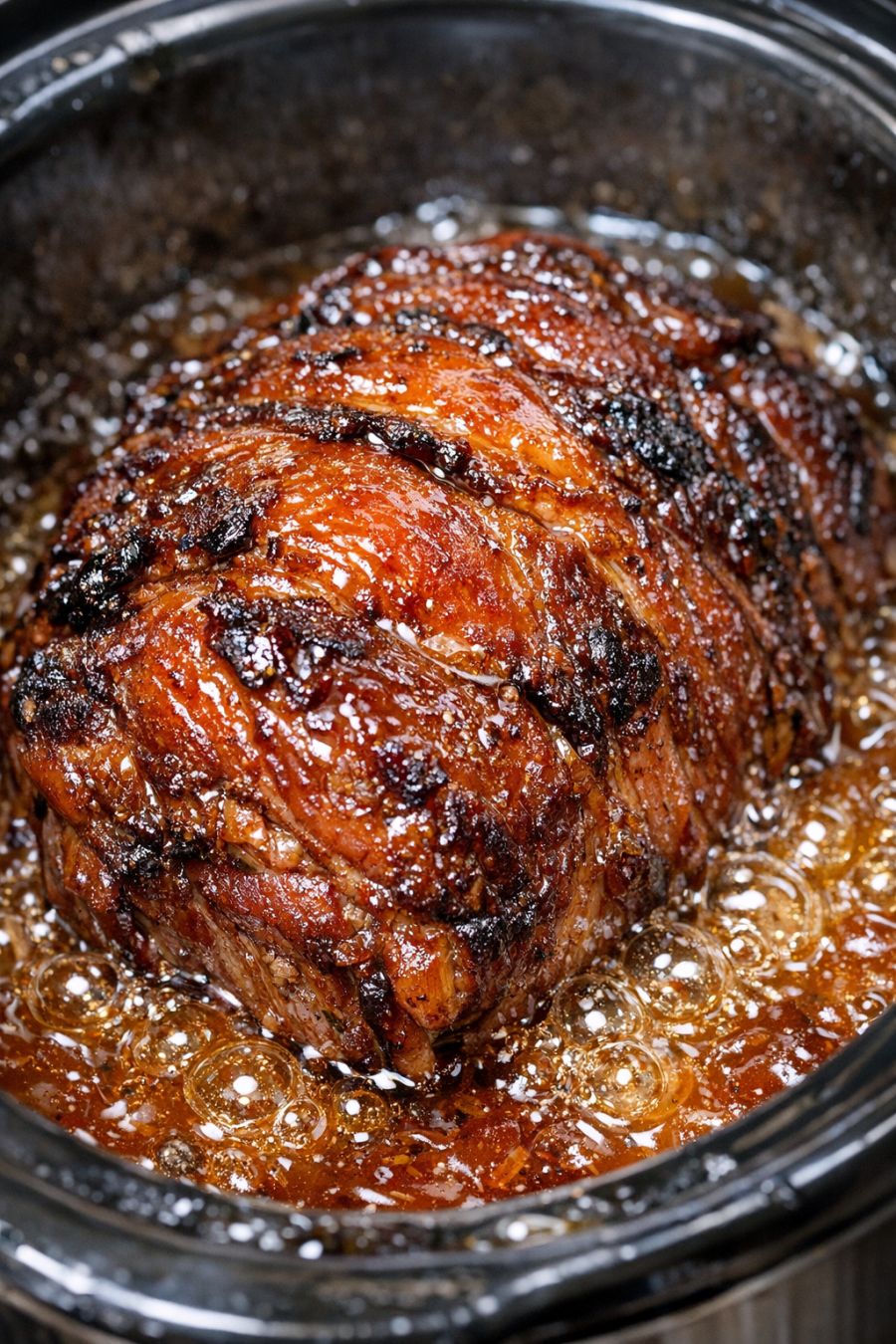
Cover the slow cooker with its lid and cook on LOW for 3 1/2 to 4 1/2 hours, until the dessert is puffed, the edges are deeply golden and caramelized, and the center is set but still soft and jiggly. You should see a bubbling, translucent amber sauce around the edges and between the bread cubes.
Once done, turn off the slow cooker and let the pudding rest, covered, for 10 to 15 minutes. This brief rest allows the bubbling sauce to thicken into a glossy, gelatinous glaze while the custard finishes setting.
Serve the spring sun pudding warm, scooping down to the bottom so each serving includes some of the caramelized edges, soft custard-soaked bread, and plenty of the translucent amber sauce from the bottom of the crock.
Variations & Tips
For a creamier version, you can replace 1/2 to 1 cup of the orange juice with whole milk or half-and-half; this will give you a richer custard and a slightly more opaque sauce while still keeping a golden, glossy look. If you enjoy a more intense citrus aroma, add 1 to 2 teaspoons of finely grated orange zest to the custard mixture before pouring it over the bread. To introduce gentle spice, whisk in 1/2 teaspoon of ground cinnamon or cardamom; both pair nicely with orange without overwhelming its brightness. For a less sweet dessert, reduce the sugar to 3/4 cup; the sauce will be a bit thinner but still pleasantly syrupy. If you prefer a firmer, more sliceable texture, let the pudding cool in the slow cooker for 30 to 40 minutes before serving so the custard fully tightens. Food safety tips: Use pasteurized eggs when possible and keep them refrigerated until you’re ready to mix the custard. Make sure the dessert reaches at least 160°F in the center (a quick-read thermometer slipped into the custard between bread cubes works well) to ensure the eggs are fully cooked. Do not leave the finished dessert at room temperature for more than 2 hours; refrigerate leftovers promptly in a shallow container, and reheat gently in the microwave or a low oven until steaming hot before serving.
