
These 4-ingredient stovetop cinnamon apples are the sort of thing my mother would throw together on chilly weekend mornings when we were all craving something sweet but didn’t want to fuss. She’d slice up a few apples, toss them in a skillet with butter, sugar, and cinnamon, and before we knew it the whole house smelled like a country fair. The apples turn soft and tender, and the sugar and butter cook down into a thick, syrupy sauce that feels downright decadent for something that takes almost no effort at all. This is simple Midwestern comfort food—humble ingredients, big payoff, and a recipe you’ll soon know by heart.
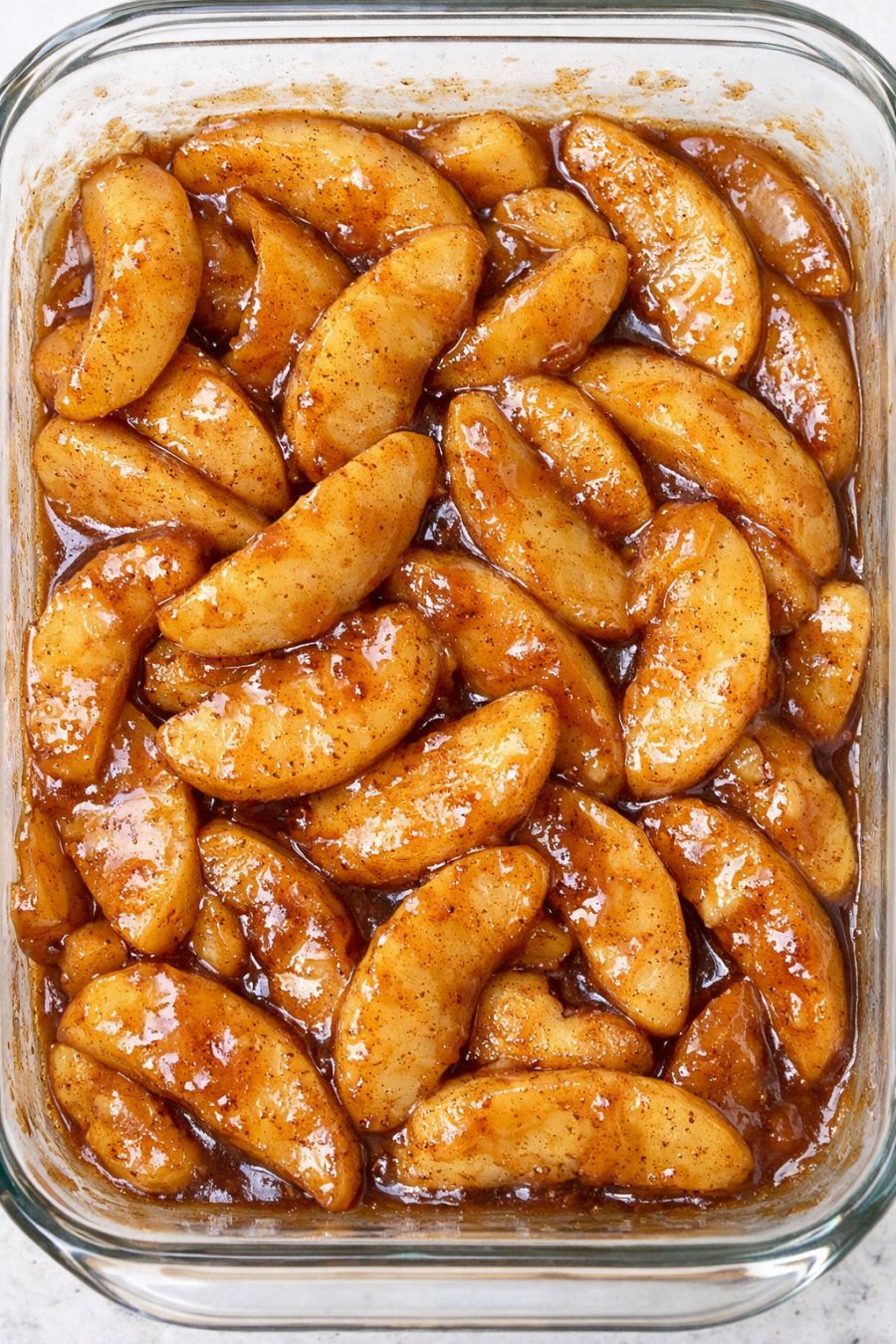
Serve these warm cinnamon apples in a shallow bowl, making sure to spoon plenty of that thick syrup over the top. They’re wonderful alongside scrambled eggs and toast for a cozy breakfast, or spooned over hot oatmeal, pancakes, or waffles. For dessert, try them over vanilla ice cream, pound cake, or plain yogurt. They also pair nicely with a simple pork chop or roast pork as a sweet side. If you’re serving a crowd, keep them warm in a glass casserole dish and set out a ladle so everyone can help themselves.
4-Ingredient Stovetop Cinnamon Apples
Servings: 4
Ingredients
4 medium firm apples (about 1 1/2 pounds), peeled, cored, and sliced
4 tablespoons unsalted butter
1/3 cup packed brown sugar
1 teaspoon ground cinnamon
Directions
Peel, core, and slice the apples into 1/4- to 1/2-inch thick wedges so they cook evenly. Set aside.
In a large skillet (10- to 12-inch), melt the butter over medium heat until just foamy but not browned.
Add the brown sugar and cinnamon to the melted butter. Stir constantly for 30–60 seconds, until the sugar begins to dissolve and you have a glossy, thickened syrup.
Add the sliced apples to the skillet and toss gently to coat them in the buttery cinnamon syrup.
Cook the apples over medium heat, stirring every couple of minutes, until they are tender but not falling apart, 8–12 minutes depending on how thick you sliced them. Adjust the heat as needed so the sugar doesn’t scorch.
As the apples cook, the juices will mix with the butter and sugar to form a thick, sticky brown syrup. If the pan looks dry before the apples are tender, turn the heat down slightly and cover the skillet for 2–3 minutes to help them soften, then uncover and continue cooking until the syrup is glossy and clings to the apples.
Taste a piece of apple and, if you like it sweeter or spicier, sprinkle in a bit more brown sugar or cinnamon and stir to melt and combine.
When the apples are soft and well-coated in a rich, syrupy sauce, remove the skillet from the heat.
Transfer the hot cinnamon apples and all the syrup into a warm glass casserole dish for serving. Let them sit for 5 minutes to thicken slightly, then serve warm with plenty of syrup spooned over each portion.
Variations & Tips
For a lighter sweetness, you can reduce the brown sugar to 1/4 cup; the apples will still give off natural sugars that help form a sauce. If you prefer a looser sauce, stir in 1–2 tablespoons of water or apple juice when you add the apples. For a deeper, almost caramel-like flavor, cook the butter just until it starts to turn golden and smell nutty before adding the brown sugar, but be careful not to burn it. A small pinch of salt (about 1/8 teaspoon) will make the flavors pop without tasting salty. You can also add a pinch of nutmeg or a splash of vanilla extract at the end of cooking for a different twist. For a heartier breakfast, stir these warm apples into cooked oatmeal or spoon into a glass dish and top with granola or crumbled graham crackers. If you need to make them ahead, cool quickly, refrigerate in a covered dish, and reheat gently on the stovetop or in the oven until piping hot and bubbly. Food safety tips: Keep the cooked apples hot (above 140°F) if holding for more than 1 hour, or cool and refrigerate within 2 hours of cooking. Store leftovers in the refrigerator and enjoy within 3–4 days. Reheat only the portion you plan to eat, and reheat until steaming throughout. Always use clean utensils when tasting or serving to avoid contamination.
