
These slow cooker 4-ingredient sour cream and chive potatoes are the kind of simple, cozy side dish that feels like it came straight from Mom’s Sunday table. With just four basic ingredients and almost no hands-on work, you end up with flawlessly creamy, rich mashed potatoes that taste like you fussed for hours. Everything cooks low and slow in the crockpot, then gets mashed right in the pot for easy cleanup. It’s a great go-to for busy weeknights, potlucks, or holiday dinners when you want that classic, comforting flavor without juggling another pan on the stove.
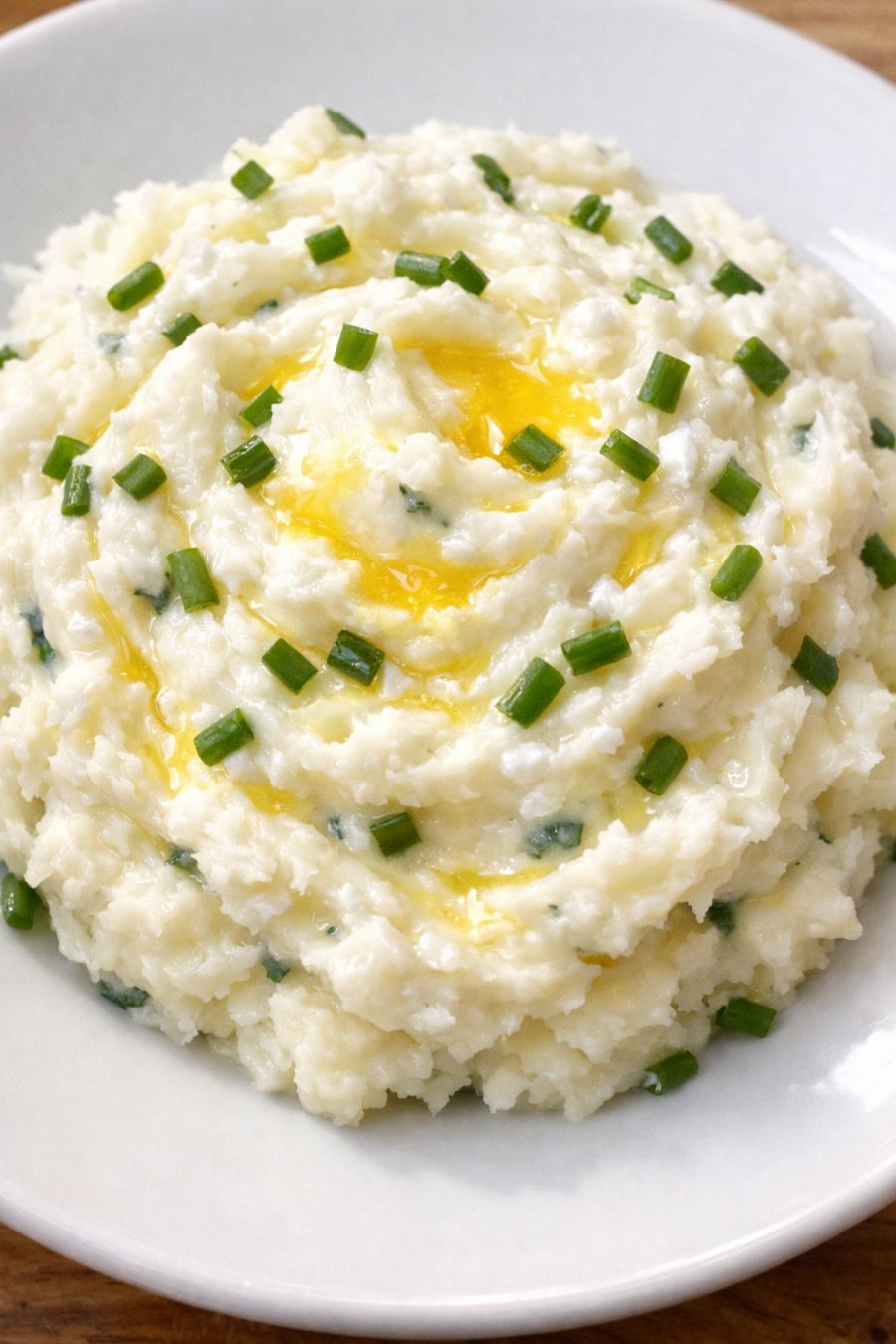
Serve these creamy sour cream and chive potatoes piled high on a white plate, topped with an extra drizzle of melted butter and a sprinkle of fresh chives. They pair beautifully with roasted or grilled chicken, meatloaf, pork chops, or a simple pan-seared steak. For a cozy family dinner, add a green vegetable like steamed broccoli, roasted carrots, or a simple side salad. They also sit nicely on a holiday plate alongside turkey, ham, or pot roast, and the mild, rich flavor makes them a hit with both kids and adults.
Slow Cooker Sour Cream and Chive Potatoes
Servings: 6
Ingredients
3 pounds russet potatoes, peeled and cut into 1 1/2-inch chunks
1 1/2 cups sour cream
4 tablespoons unsalted butter, plus more melted for drizzling
1/3 cup chopped fresh chives, plus extra for garnish
1 teaspoon salt (optional, to taste)
1/2 teaspoon black pepper (optional, to taste)
Directions
Lightly grease the inside of a 4- to 6-quart slow cooker with a little butter or nonstick spray to help prevent sticking.
Add the peeled, chunked potatoes to the slow cooker in an even layer. Sprinkle with salt and pepper if using, then dot the top with the 4 tablespoons of butter.
Cover and cook on HIGH for 3 to 3 1/2 hours or on LOW for 5 to 6 hours, until the potatoes are very tender and easily pierced with a fork.
Turn the slow cooker to WARM or OFF. Add the sour cream directly to the hot potatoes.
Using a potato masher, mash the potatoes right in the slow cooker until they are smooth and fluffy, with the sour cream fully worked in. If you like them extra creamy, you can mash a bit longer, but avoid overworking them so they don’t get gluey.
Stir in the chopped fresh chives, folding gently so you keep that fluffy texture while evenly distributing the bright green bits throughout.
Taste and adjust seasoning with a little more salt and pepper if needed. If the potatoes are thicker than you like, you can stir in a tablespoon or two of warm water or milk (this is optional and not required for the base recipe).
Spoon the mashed potatoes onto a serving plate or into a shallow bowl, creating a soft mound. Drizzle a little extra melted butter over the top and finish with a final sprinkle of fresh chives for that pretty, classic look.
Keep the potatoes on the WARM setting in the slow cooker for up to 2 hours, stirring occasionally, until ready to serve.
Variations & Tips
For picky eaters, you can dial back the chives and just sprinkle a few on top instead of folding in the full amount. If your family prefers extra tang, use full-fat sour cream and add an extra couple of spoonfuls at the end to taste. For a slightly lighter version, you can swap half of the sour cream for plain Greek yogurt, keeping in mind it will add a bit more tang. If you need to keep the recipe strictly to four core ingredients, think of the potatoes, sour cream, butter, and chives as the base, and treat salt and pepper as optional pantry seasonings added to taste at the table. To make these ahead for a holiday, cook and mash as directed, then keep them on WARM in the slow cooker, stirring in a splash of warm water or milk if they thicken. Food safety tips: Keep the potatoes out of the temperature danger zone (40°F–140°F) by either serving them hot or refrigerating leftovers within 2 hours. Store leftovers in a covered container in the refrigerator and use within 3 to 4 days. Reheat thoroughly until steaming hot before serving, adding a spoonful of sour cream or a bit of butter if they seem dry. Always use clean utensils when stirring or serving to avoid cross-contamination.
