
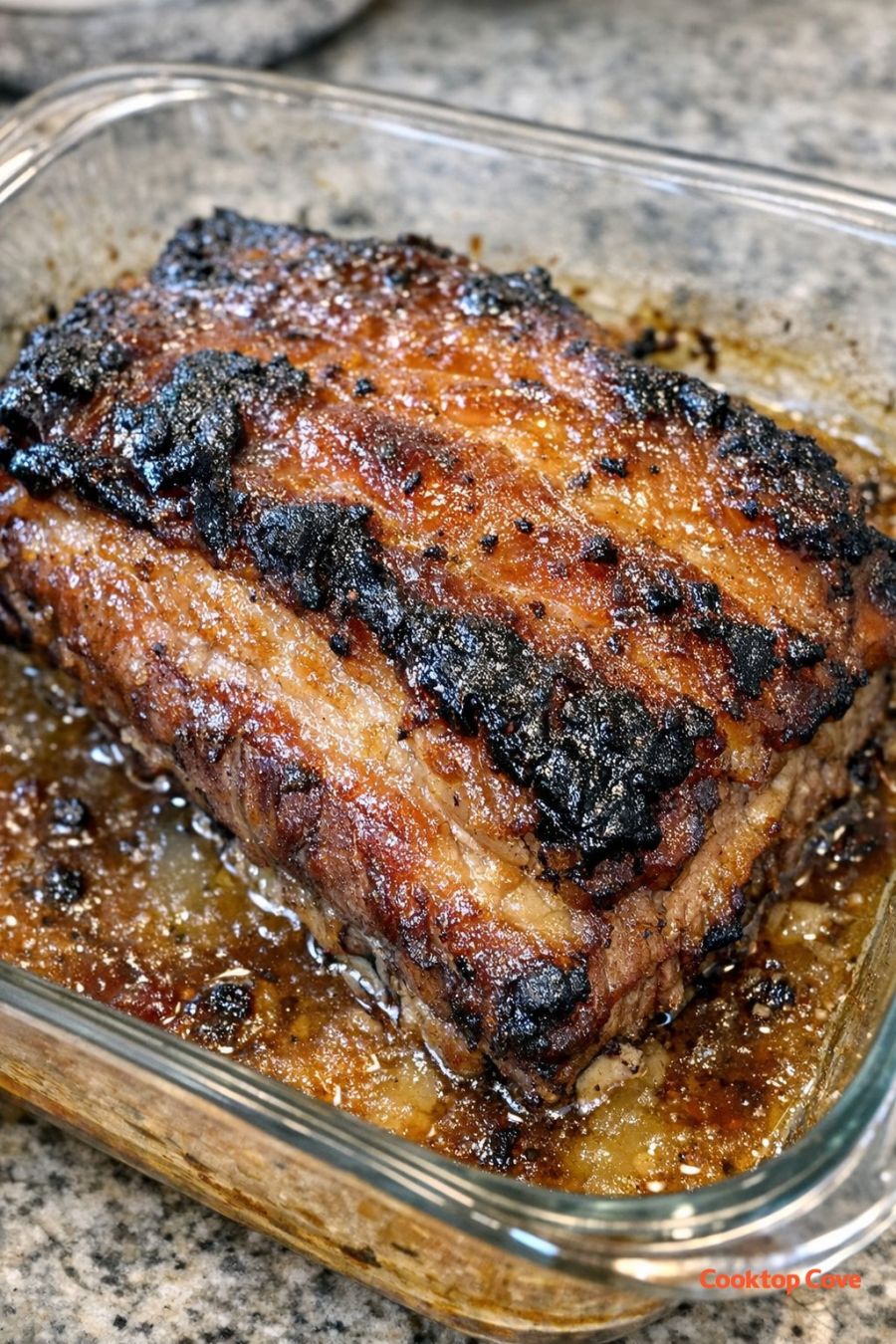
This Summer Kickoff Bake is my go-to when the weather finally warms up and I want something that basically cooks itself while I sit on the porch. It’s just three ingredients, all tossed into a glass casserole dish and left to roast until they turn a deep, glossy amber with little charred edges and a soft, almost gelatinous coating from the sauce. It reminds me of the simple potlucks I grew up with here in the Midwest—nothing fancy, just good, sticky-sweet baked chicken that everyone picks at straight from the pan.
Serve this glossy amber chicken with something fresh and simple: a green salad with a tangy vinaigrette, corn on the cob, or sliced cucumbers and tomatoes. It’s also wonderful over plain white rice or buttered egg noodles so they can soak up all that sticky sauce from the bottom of the dish. If you’re taking it to a cookout, bring the chicken right in the glass casserole dish, set out some toothpicks or tongs, and let everyone help themselves. A pitcher of iced tea or lemonade balances the sweet, savory glaze nicely.
3-Ingredient Summer Amber Roast
Servings: 4
Ingredients
2 pounds boneless, skinless chicken thighs (trimmed of excess fat, patted dry)
1 cup thick honey barbecue sauce (or your favorite sweet barbecue sauce)
1/4 cup soy sauce (regular or low-sodium)
Directions
Preheat your oven to 400°F (200°C). Lightly grease a glass 9x13-inch casserole dish or coat it with cooking spray so cleanup is easier.
In a medium bowl, whisk together the honey barbecue sauce and soy sauce until smooth and glossy. This will be your sticky amber glaze.
Place the chicken thighs in a single, snug layer in the glass casserole dish. It’s okay if they touch; that helps create that thick, gelatinous layer of sauce around them.
Pour the sauce mixture evenly over the chicken, turning each piece with tongs or a fork to coat all sides. Make sure the chicken is well covered and the sauce pools slightly around the pieces.
Cover the dish tightly with foil and bake for 20 minutes. This helps the chicken gently cook through and keeps it juicy.
Remove the foil, baste the chicken by spooning some of the hot sauce from the bottom of the dish over the tops, and return the uncovered dish to the oven.
Continue baking uncovered for 20 to 25 more minutes, basting once more halfway through, until the sauce is thick, glossy, and deep amber, and the edges of the chicken are starting to char slightly. The sauce should look almost syrupy and cling to the chicken.
For extra charred edges and a more caramelized, sticky coating, switch the oven to broil on high for 2 to 4 minutes at the end, watching very closely so it doesn’t burn. You want darkened, bubbly spots along the edges of the chicken and around the sides of the glass dish.
Check for doneness: the chicken should reach an internal temperature of 165°F (74°C) when measured with an instant-read thermometer in the thickest part. Let the chicken rest in the hot sauce in the dish for 5 to 10 minutes before serving so the glaze thickens into that gelatinous, spoonable layer.
Serve the chicken straight from the glass casserole dish, spooning plenty of the glossy amber sauce over each portion.
Variations & Tips
For picky eaters, you can use a milder, sweeter barbecue sauce and reduce the soy sauce to 3 tablespoons so the flavor is less intense and salty. If your family likes a little heat, stir 1 to 2 teaspoons of crushed red pepper flakes or hot sauce into the barbecue mixture before pouring it over the chicken. To make this more tangy, add 2 tablespoons of apple cider vinegar to the sauce blend. You can swap boneless, skinless chicken breasts for the thighs, but check them a bit earlier (around the 30-minute mark after uncovering) so they don’t dry out—breasts can overcook faster than thighs. For a slightly lighter option, trim all visible fat from the chicken and use a reduced-sugar barbecue sauce. If you want to make cleanup even easier, line the glass dish with foil before adding the chicken and sauce, then discard the foil after cooling. Food safety tips: Always start with fully thawed chicken; baking from frozen can cause uneven cooking. Keep raw chicken and its juices away from other ingredients and surfaces, and wash your hands, cutting boards, and utensils with hot, soapy water after handling raw chicken. Use a clean spoon or brush for basting once the chicken is partially cooked—don’t reuse a utensil that’s been sitting in raw juices. Finally, refrigerate leftovers within 2 hours of cooking and reheat until steaming hot before serving again.
