
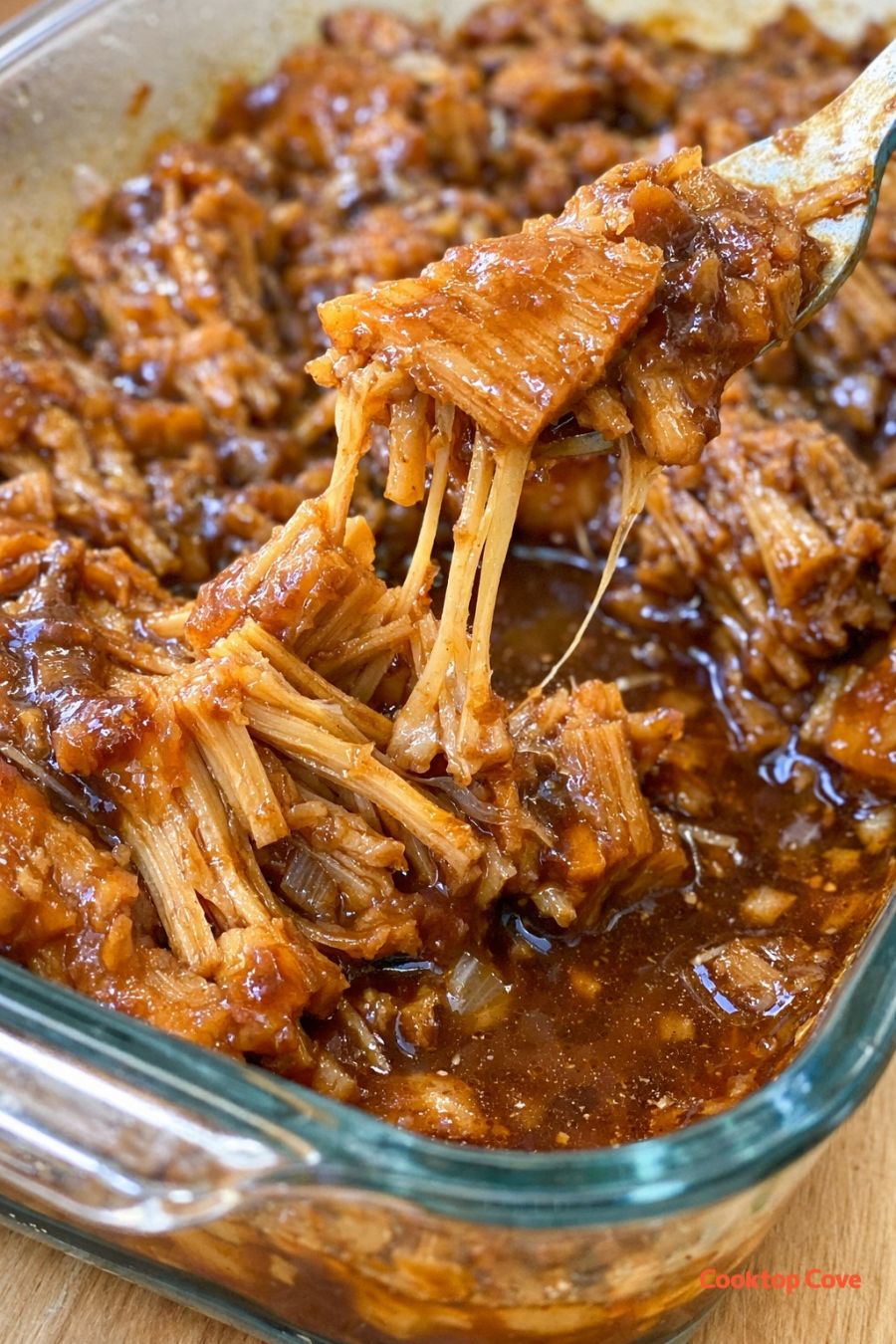
This late May lifesaver leans on one of my favorite fibrous vegetables: fresh asparagus. Roasted in a simple umami-rich soy butter glaze, the spears turn tender and almost stringy-soft, pulling apart in a way that feels indulgent but still light. With barely four ingredients and the oven doing the work, it’s ideal for those evenings when you’d rather not fuss with the outdoor grill but still want something that feels special and a little bit luxurious. Dishes like this trace back to simple European and Japanese preparations where asparagus is treated with respect—minimal seasoning, high heat, and a focus on texture.
Serve this glazed asparagus straight from the glass casserole dish alongside roasted or rotisserie chicken, seared tofu, or a simple omelet. A crusty baguette or buttered rice will happily soak up the extra soy butter in the bottom of the dish. For a fuller plate, add a tomato salad or sliced cucumbers dressed with lemon and olive oil. It also works well as a room-temperature side on a buffet or as a component in a grain bowl with quinoa, lentils, or farro.
Soy-Butter Baked Asparagus
Servings: 4
Ingredients
1 1/2 pounds fresh asparagus, woody ends snapped off
3 tablespoons unsalted butter, melted
3 tablespoons soy sauce (regular or low-sodium)
1 tablespoon brown sugar, packed
Directions
Preheat your oven to 400°F (200°C). Lightly grease a 9x13-inch glass casserole dish so the asparagus doesn’t stick.
Rinse the asparagus and pat it very dry with a clean kitchen towel or paper towels. Snap off the woody ends by bending each spear near the base; it will naturally break where the tough part ends.
Lay the asparagus in the glass casserole dish in a mostly single layer. It’s fine if some spears overlap a bit; they’ll still cook down and soften.
In a small bowl, whisk together the melted butter, soy sauce, and brown sugar until the sugar is mostly dissolved and the mixture looks glossy.
Pour the soy butter glaze evenly over the asparagus, turning the spears gently with tongs or clean hands so they’re well coated. Spread them back out in an even layer.
Bake, uncovered, for 18–22 minutes, depending on thickness, until the asparagus is very tender and easily pierced with a fork. The tips should look slightly caramelized and the glaze will be bubbling around the edges of the dish.
Remove from the oven and let the asparagus rest for 3–5 minutes. This short rest helps the fibers relax so the spears pull apart softly when you lift them with tongs or a fork, and the glaze thickens slightly into a rich, umami coating.
Serve the asparagus directly from the glass casserole dish, spooning some of the soy butter glaze over the top of each portion.
Variations & Tips
If you’d like a bit of heat, add a pinch of red pepper flakes or a small squeeze of sriracha to the soy butter glaze before baking. For a brighter profile, stir in 1 teaspoon of rice vinegar or lemon juice after the asparagus comes out of the oven so the acidity doesn’t cook off. You can swap brown sugar for honey or maple syrup, keeping the same amount. If you prefer a milder saltiness, choose low-sodium soy sauce or dilute regular soy sauce with 1 tablespoon of water. To make this dairy-free and vegan, use a neutral oil (like grapeseed or canola) or a vegan butter in place of regular butter; the flavor will be slightly different but still deeply savory. This same method works with other fibrous vegetables such as green beans or broccolini—just adjust the cooking time until they’re tender. Food safety tips: Wash asparagus thoroughly under cold running water to remove any grit, and dry it well so it roasts rather than steams. Use a clean cutting board and knife, especially if you’ve handled raw meat beforehand, to avoid cross-contamination. Refrigerate leftovers in a covered container within 2 hours of cooking and use within 3 days, reheating until hot throughout before serving.
