
This 3-ingredient slow cooker summer wafer treat is one of those lazy-day desserts that feels way more special than the effort it takes. You literally toss raw whole vanilla wafers into the slow cooker, drizzle on two simple additions, and let the heat turn everything into a warm, gooey, caramel-vanilla situation.
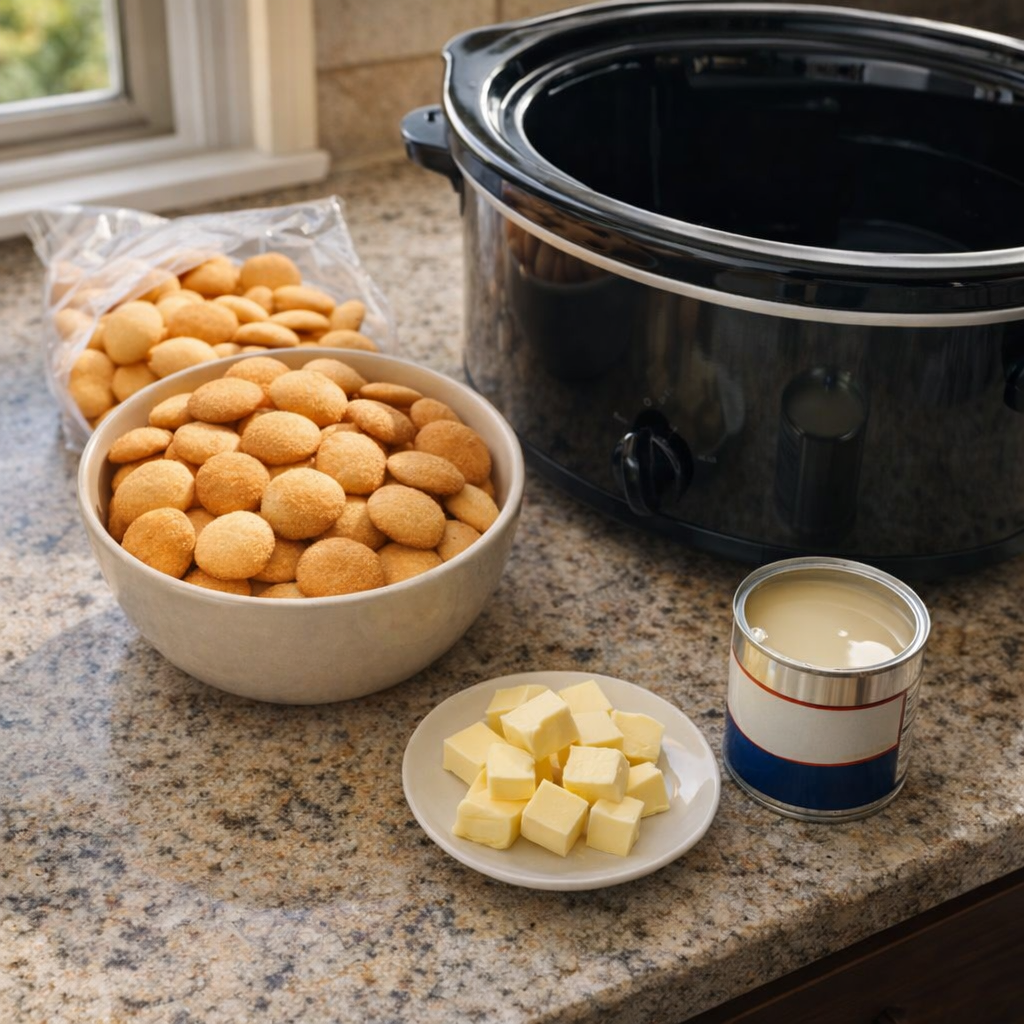
I started making this on crazy-busy workdays when I wanted something sweet for after dinner but didn’t have the energy to turn on the oven. It’s perfect for summer because the slow cooker keeps your kitchen cooler, and the hands-off time means you can answer a few more emails while dessert basically makes itself.
Serve this warm spooned into small bowls, making sure each serving has plenty of softened vanilla wafers and that glossy caramel sauce. Top with a scoop of vanilla ice cream or a big dollop of whipped cream so it melts into all the nooks and crannies.
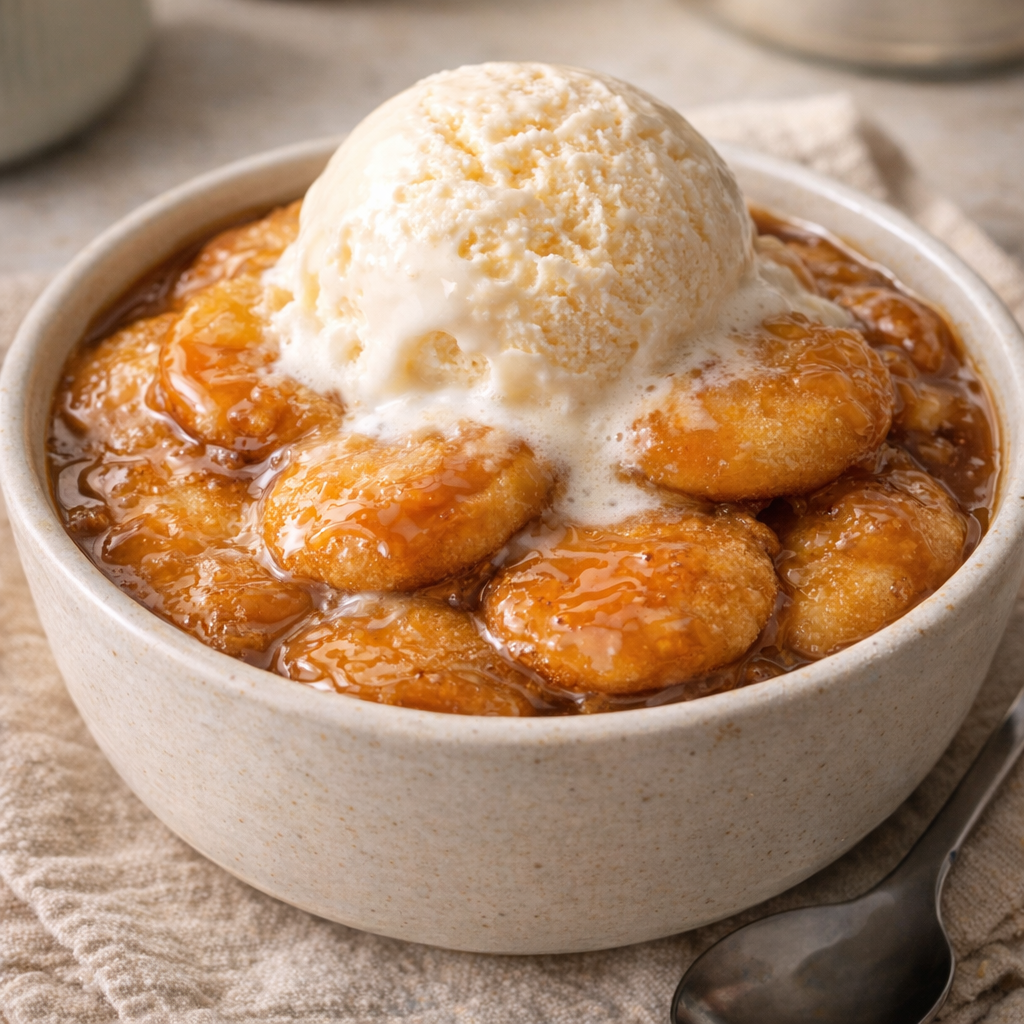
Fresh berries (strawberries, raspberries, or blueberries) add a nice bright contrast to the sweetness. It also pairs well with iced coffee, cold brew, or a simple glass of milk. For a more grown-up dessert, serve smaller portions in ramekins with a drizzle of extra caramel and a sprinkle of flaky sea salt on top.
Slow Cooker Vanilla Wafer Caramel Crunch
Servings: 6
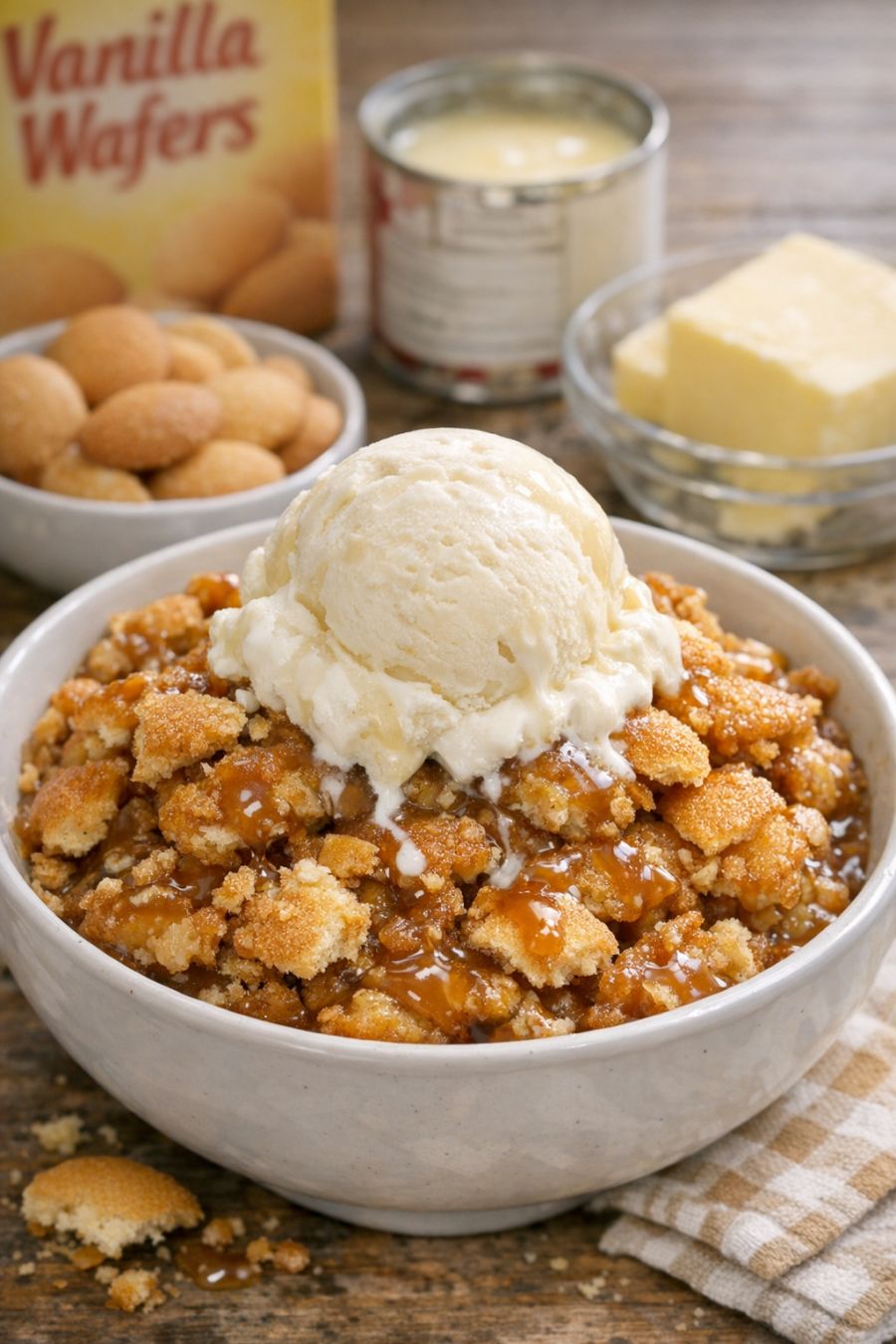
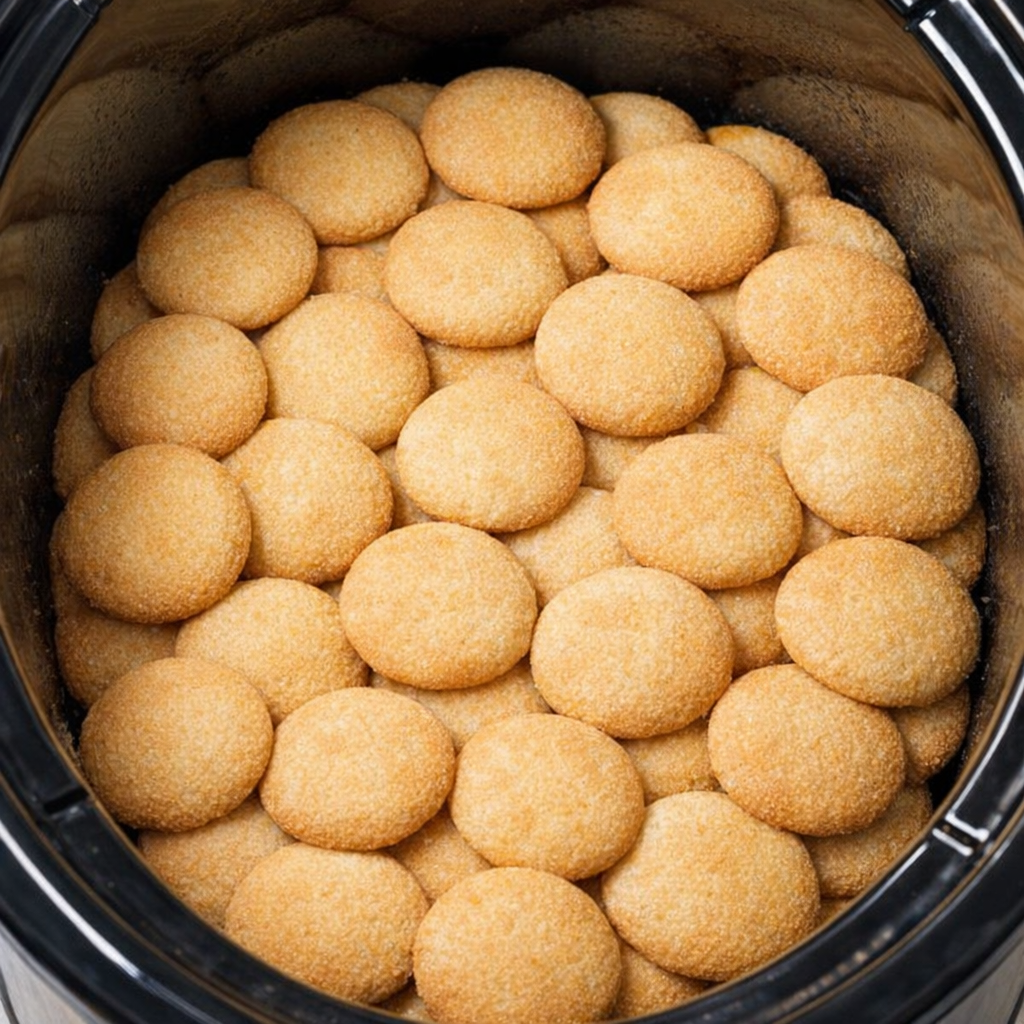
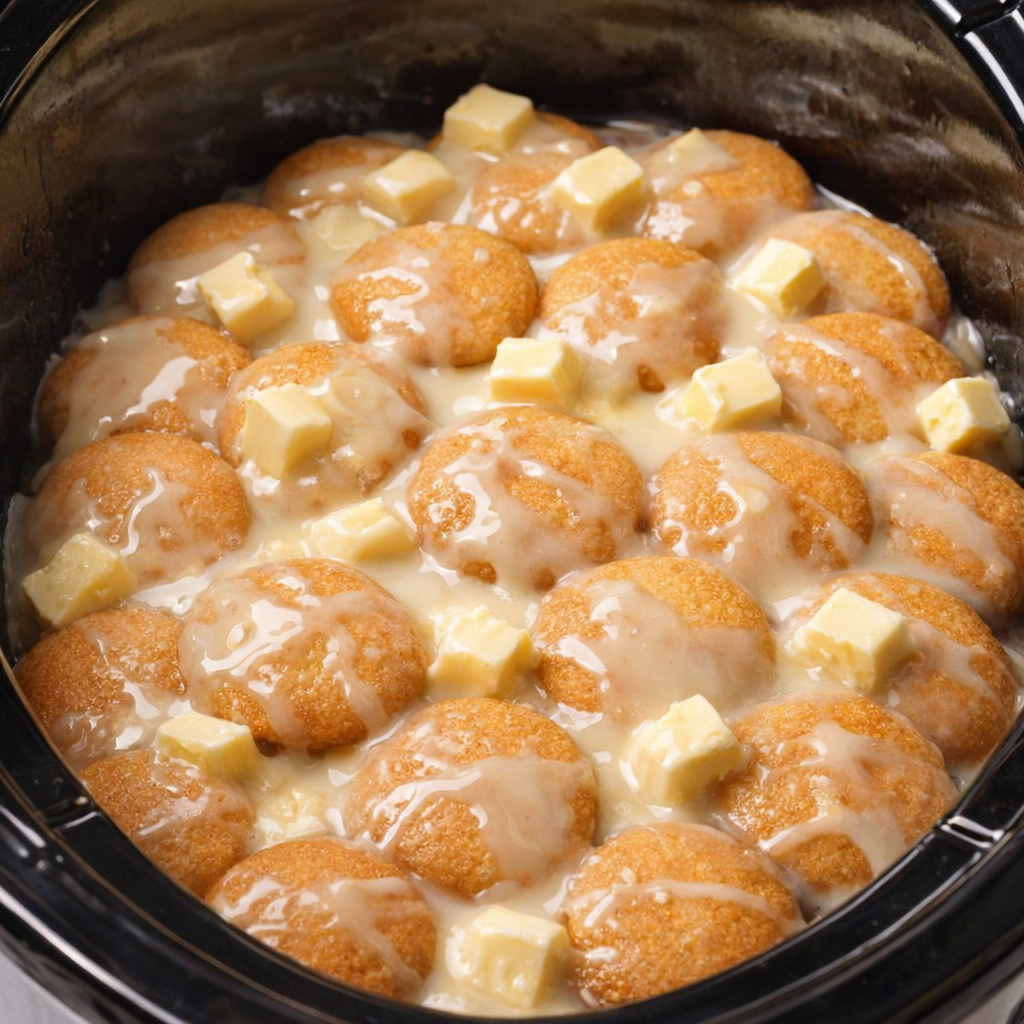
For a salted caramel twist, sprinkle 1/2 teaspoon of flaky sea salt over the top right after cooking. For a nutty version, add 1/2 cup chopped pecans or walnuts on top of the wafers before pouring on the sweetened condensed milk. If you like a stronger vanilla flavor, stir 1 teaspoon of vanilla extract into the condensed milk before drizzling it over the wafers. To make it a s’mores-style treat, scatter 1/2 cup mini chocolate chips over the wafers before cooking, then top with mini marshmallows in the last 10 minutes and let them soften under the closed lid.
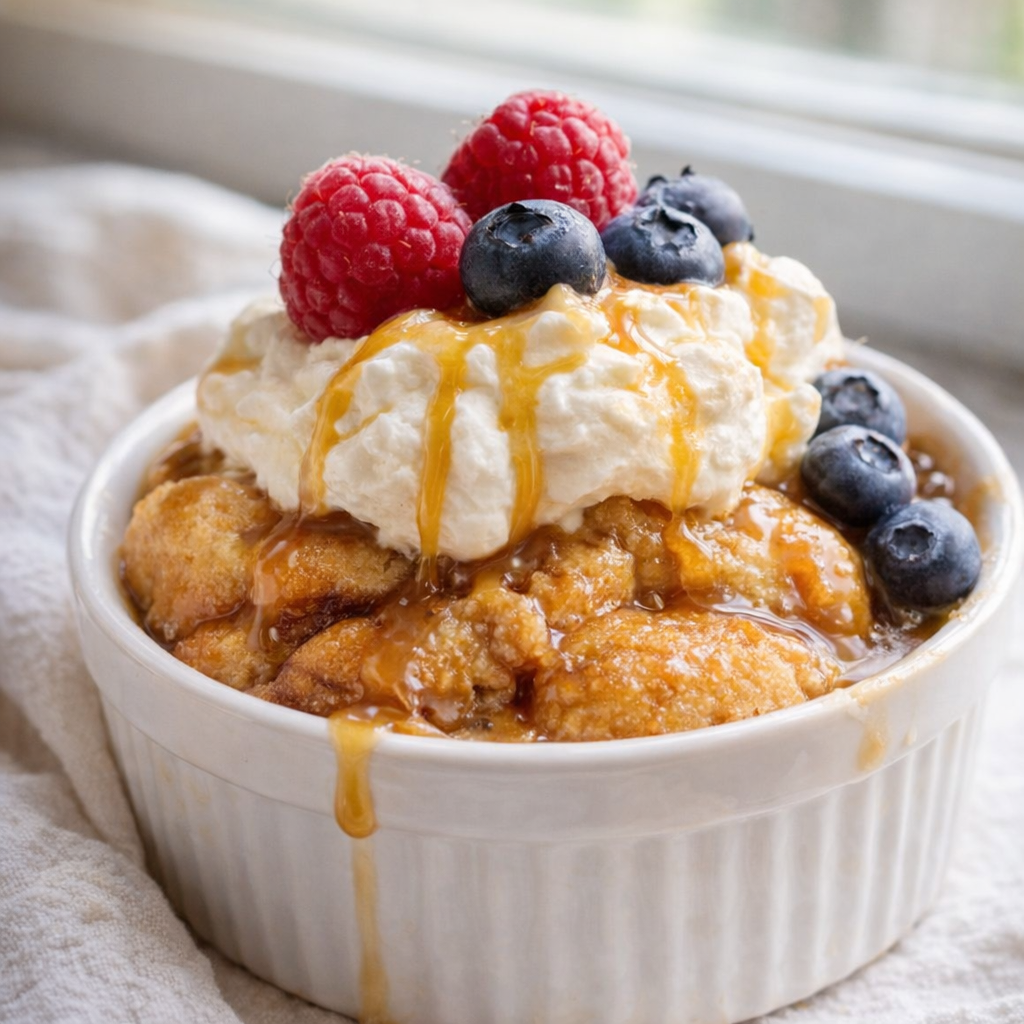
For a slightly lighter option, you can use reduced-fat sweetened condensed milk, but the texture may be a bit less rich.
Food safety tips: Keep the slow cooker covered while cooking so the dessert heats evenly and reaches a safe temperature. Once it’s done, don’t leave it at room temperature for more than 2 hours; refrigerate leftovers in a shallow container and reheat gently in the microwave or on LOW in the slow cooker. Avoid using the WARM setting to cook from the start—always use LOW so the dairy heats safely and doesn’t sit too long in the temperature danger zone (40°F to 140°F).
