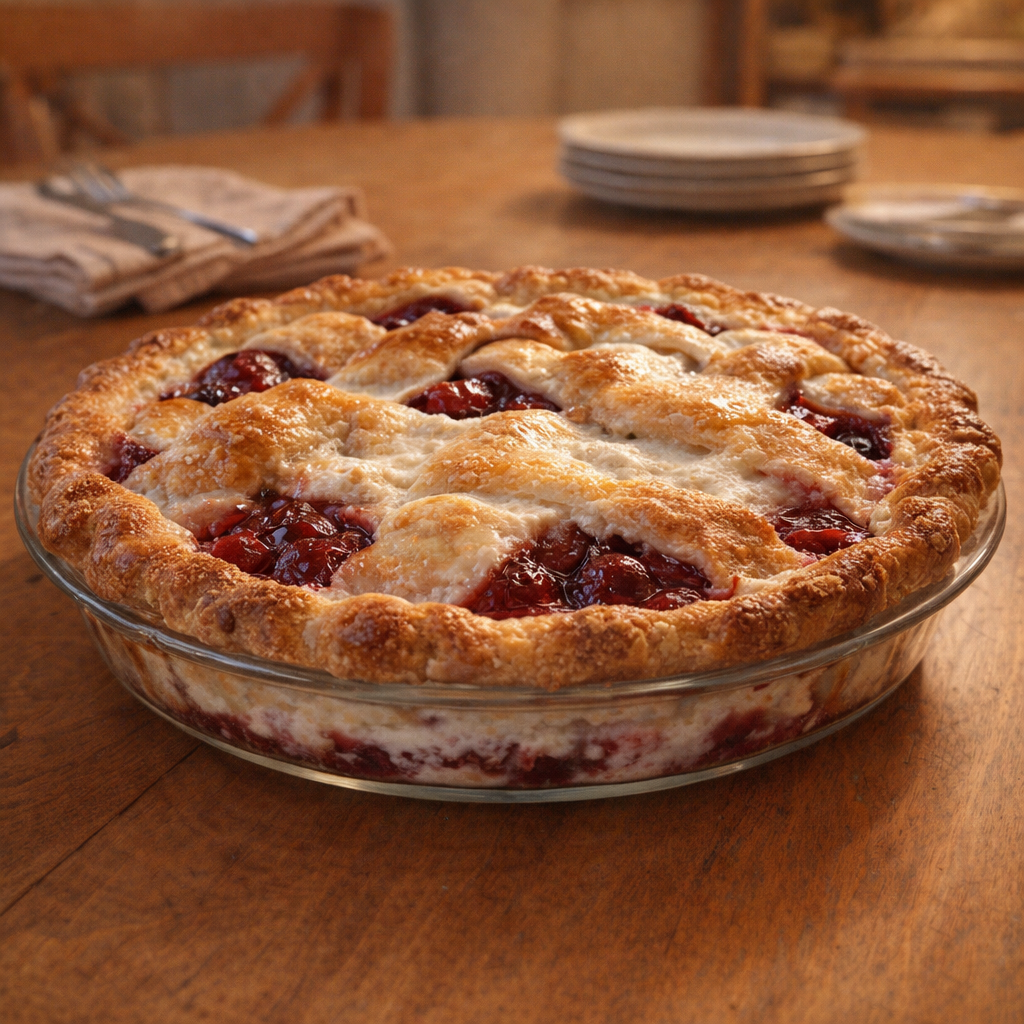
As summer sweeps in with its glorious sunshine, it brings with it the bounty of fresh, juicy cherries. For anyone with a penchant for baking, these ruby-red gems are nothing short of a treasure trove of sweetness, perfect for crafting a delectable cherry pie.
However, as any seasoned pie baker knows, the art of pie-making is as much about innovation as it is about tradition. This summer, I decided to venture into uncharted territory with my cherry pie by incorporating an unexpected ingredient: a thick layer of cold sour cream spread under the top crust.
Such a culinary experiment might raise eyebrows, but the promise of a tangy twist enticed my adventurous spirit. The concept wasn't entirely without precedent—dairy has long been used to enrich pies, adding moisture and flavor. But would the sour cream achieve the desired effect without overpowering the delicate balance of the cherry filling? With my curiosity piqued, I set out to discover whether this novel addition would elevate my pie to new heights or send it crashing down in a culinary disaster.
The idea of adding sour cream under the top crust came from a desire to combine the tartness and creaminess of dairy with the sweet, juicy nature of cherries. Sour cream is known for its ability to both enrich and balance flavors in baking. By spreading a 1/4-inch thick layer of cold sour cream between the filling and the dough, I hoped to introduce a subtle tang and creaminess that would complement the cherries without overwhelming them.
Moreover, the sour cream would serve as a moisture barrier, potentially keeping the top crust from becoming soggy as the pie baked. This was a crucial consideration, as a well-baked crust is the hallmark of a successful pie. The cold temperature of the sour cream was intended to prevent it from melting too quickly, allowing it to blend gradually with the filling as the pie baked, thus creating a harmonious flavor profile.
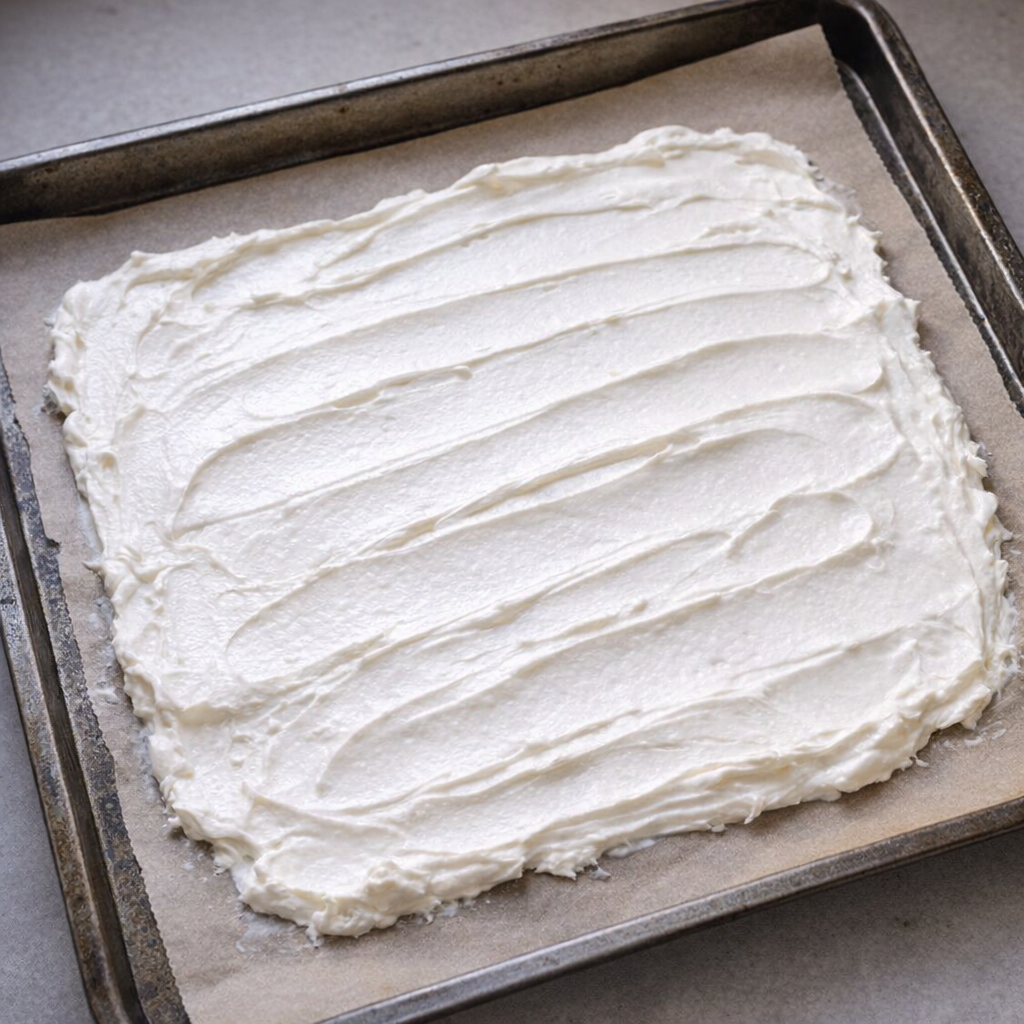
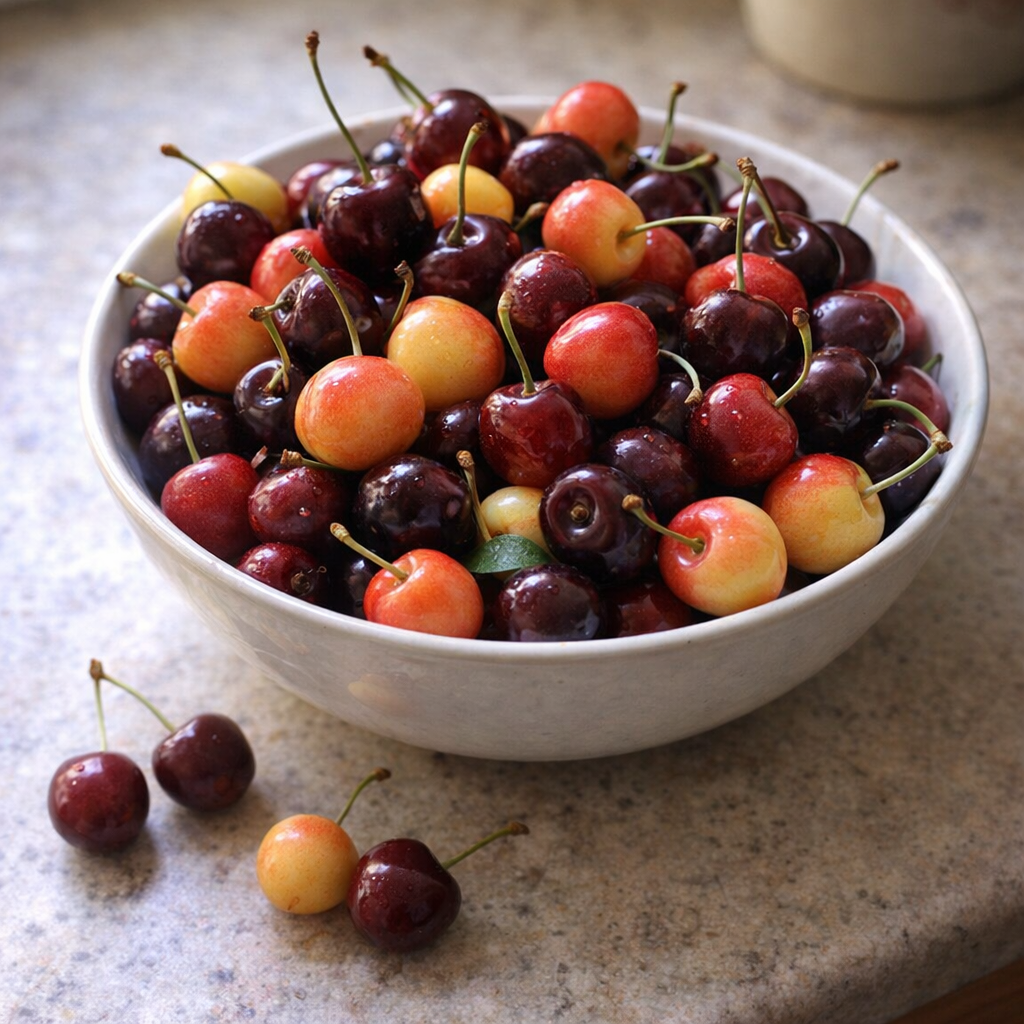
The first step in my pie-making process was selecting the freshest summer cherries I could find. I opted for a mix of Bing and Rainier cherries to achieve a balance between sweetness and tartness. After pitting and halving approximately 5 cups of cherries, I tossed them with a mixture of 3/4 cup of granulated sugar, 2 tablespoons of cornstarch for thickening, and a pinch of salt to enhance the flavors.
To further enhance the filling, I added a teaspoon of vanilla extract and the zest of one lemon, which would complement the brightness of the cherries and the tang of the sour cream. Once the cherries were well-coated in the mixture, I let them macerate for about 30 minutes to allow the flavors to meld and the juices to release, creating a luscious, syrupy filling.
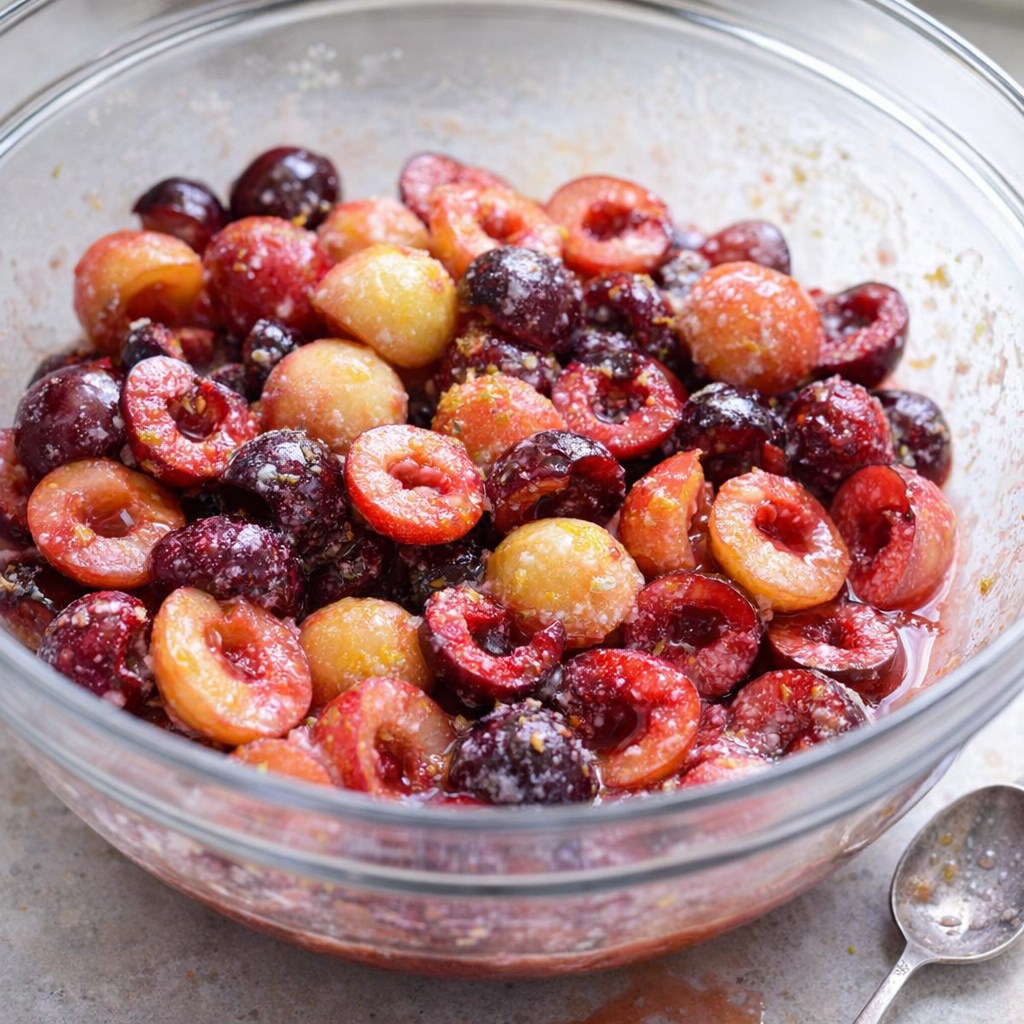
Before assembling the pie, I prepared the sour cream layer by spreading a generous amount on a sheet of parchment paper and chilling it in the refrigerator for about 15 minutes. This step was crucial, as it ensured the sour cream would maintain its structure when placed on top of the cherry filling.
With the sour cream sufficiently chilled, I carefully transferred it onto the pie, spreading it evenly across the top of the cherry mixture. Next, I rolled out the top pie crust and gently draped it over the sour cream layer, sealing the edges by crimping them with my fingers. To allow steam to escape during baking, I cut a few small slits in the crust. The pie was ready for the oven, and I was eager to see how this unconventional addition would fare.
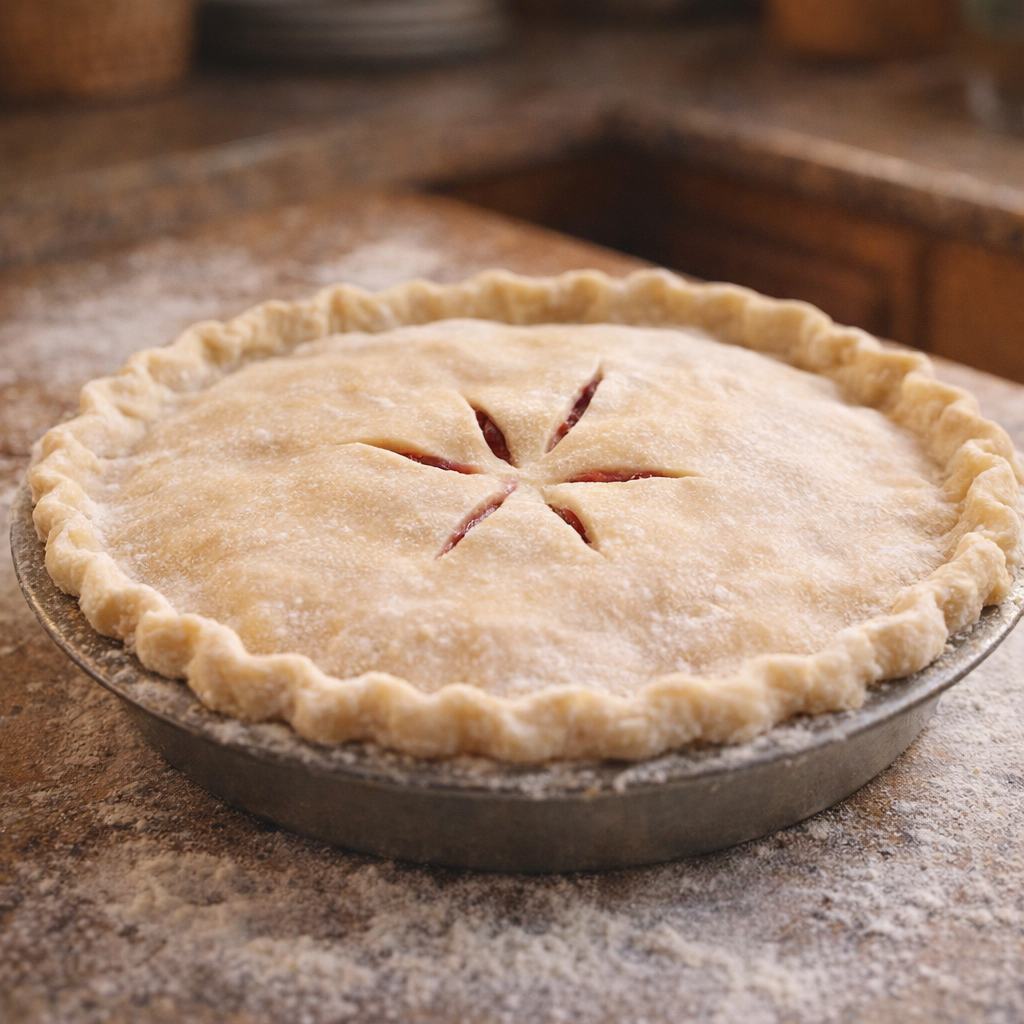
As the pie began its transformation in the oven, I watched closely through the oven door. During the first 15 minutes, the crust started to take on a pale golden hue, while the sour cream layer remained hidden beneath, slowly warming and melding with the cherry filling.
The aroma of baking pastry and cherries wafted through the kitchen, a promising sign of the delicious outcome I hoped for. The sour cream, insulated by the crust, appeared to be behaving as intended, with no immediate signs of leaking or curdling—an encouraging start to the baking process.
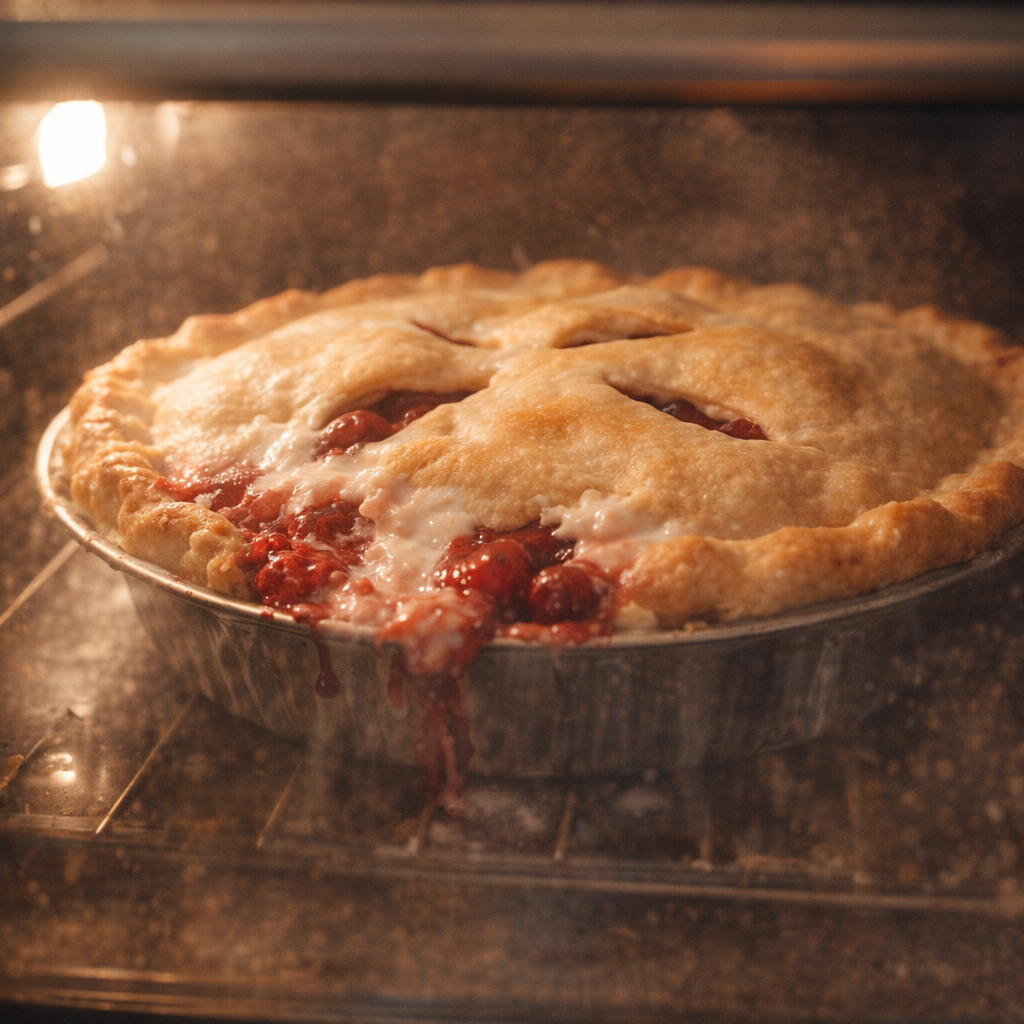
As the pie continued to bake, the sour cream layer began to work its magic on the cherry filling. The creaminess of the sour cream combined with the juices from the cherries, creating a velvety texture that enveloped each cherry piece.
This transformation was particularly noticeable when I finally cut into the pie. The filling held together beautifully, not too runny yet not overly gelatinous, which is often a challenge with fruit pies. The sour cream had contributed to a cohesive texture that allowed each slice to maintain its integrity when served.
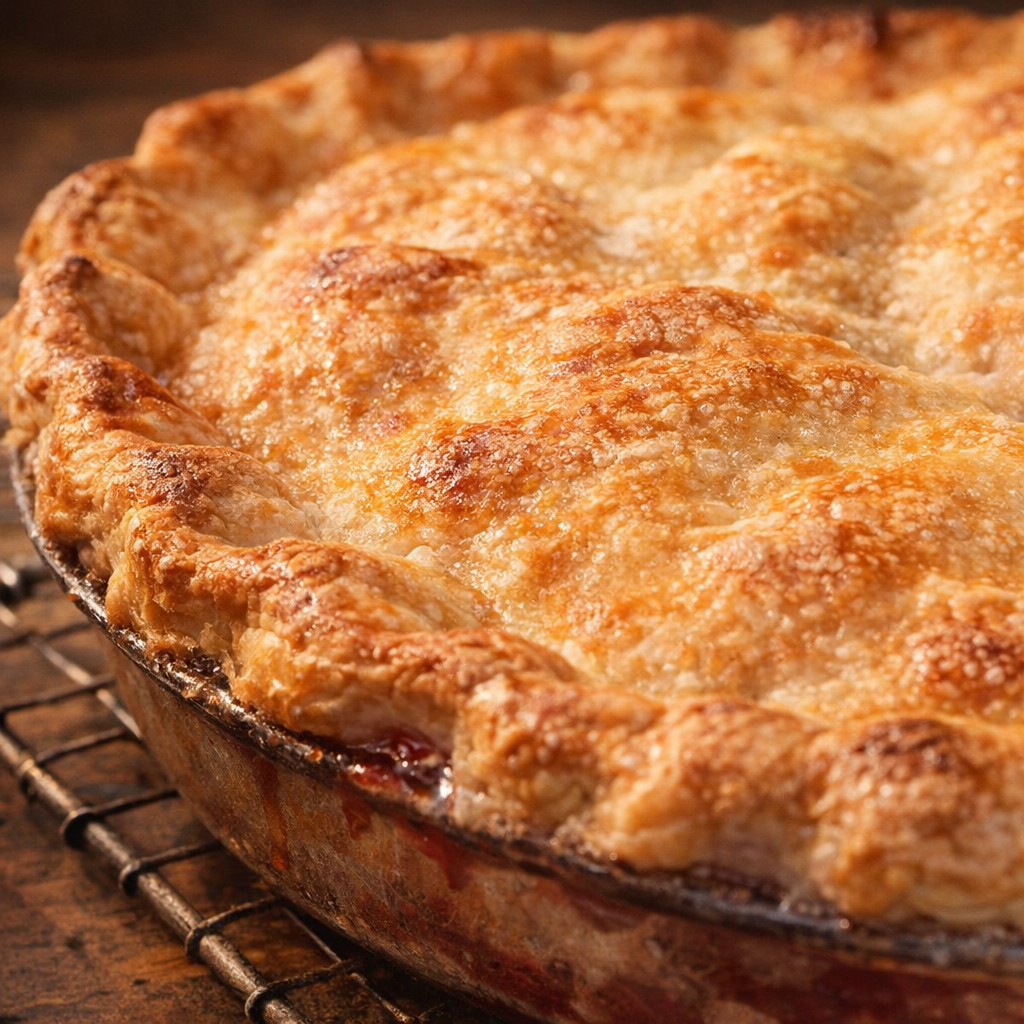
One of the most delightful surprises was how the sour cream layer affected the top crust. As the pie baked, the crust developed a beautiful golden-brown color, with a slight sheen from the steam created by the sour cream below.
Instead of weighing down the crust, the moisture from the sour cream seemed to give it a slight lift, resulting in a tender, flaky texture. The crust also bubbled slightly in places, adding an interesting visual element that hinted at the creamy layer hidden beneath.
Upon taking the first bite, the flavor combination was nothing short of a revelation. The tang of the sour cream provided a perfect counterpoint to the sweet, juicy cherries, creating a complex flavor profile that was both refreshing and indulgent.
The sour cream's acidity cut through the sweetness, preventing the pie from becoming cloying, while its creaminess added a luxurious mouthfeel that elevated the entire dessert. It was a flavor shock that delighted the palate, offering a new and unexpected dimension to the traditional cherry pie.
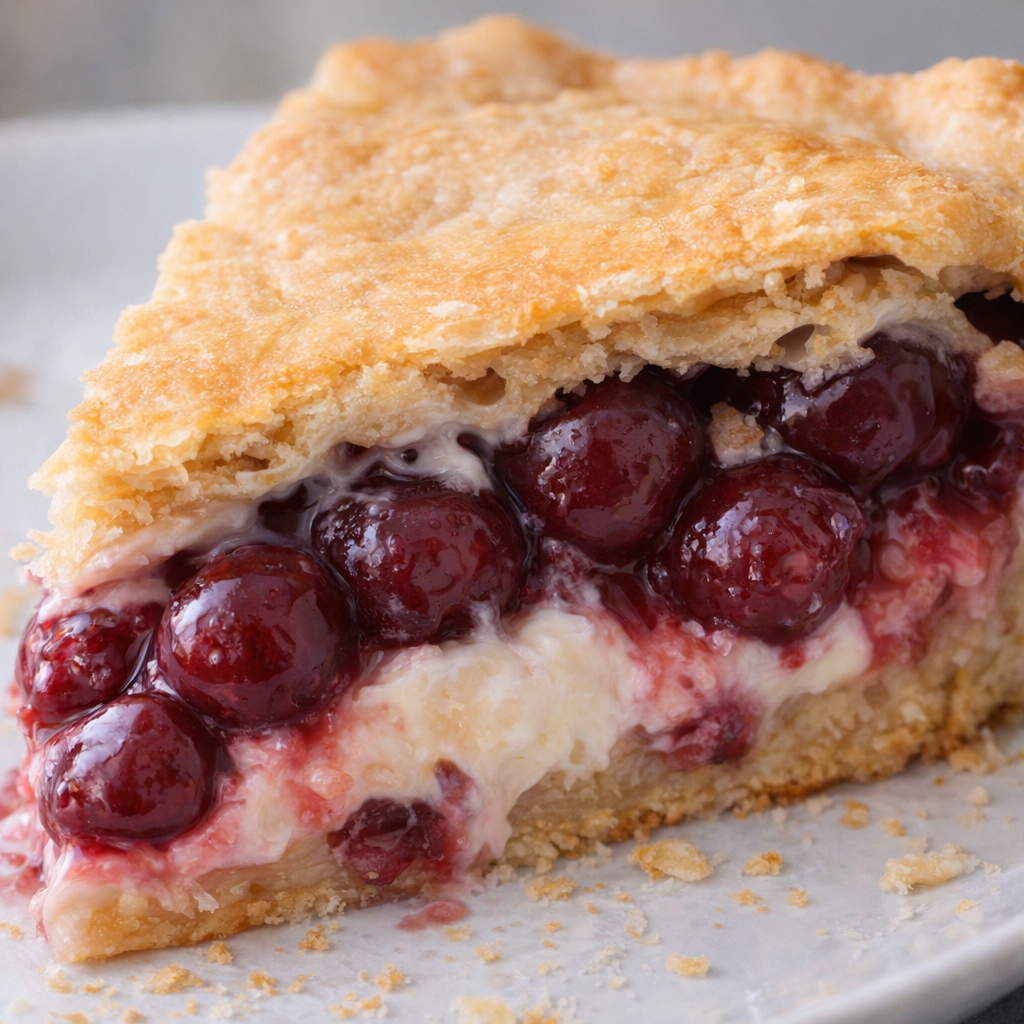
When it came time to slice the pie, I was eager to see if the structural integrity would hold. To my relief, each slice came out cleanly, with the filling neatly contained between the crusts.
The sour cream layer had done its job in binding the filling, preventing it from oozing out excessively as often happens with fruit pies. Each slice showcased the vibrant cherries suspended in the creamy filling, a testament to the success of this experimental approach.
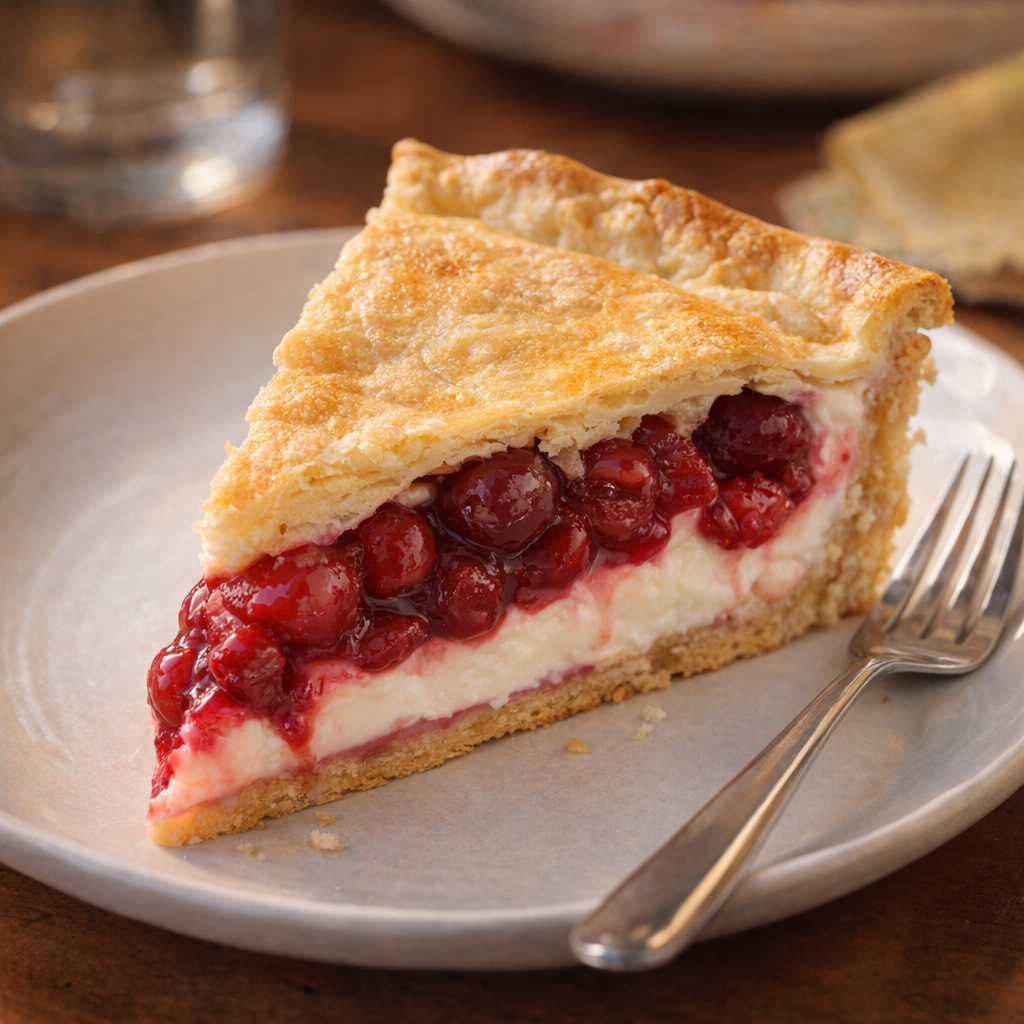
The incorporation of the sour cream layer worked brilliantly in terms of flavor and texture. The subtle tang and creaminess it added to the pie were undeniable enhancements, making for a truly memorable dessert.
However, there were a few aspects that could be improved. The sour cream layer, while successful, could have been slightly thinner to avoid overwhelming the more delicate flavors of the cherries in certain bites. Additionally, ensuring an even distribution of the sour cream is essential to maintain consistency throughout the pie.
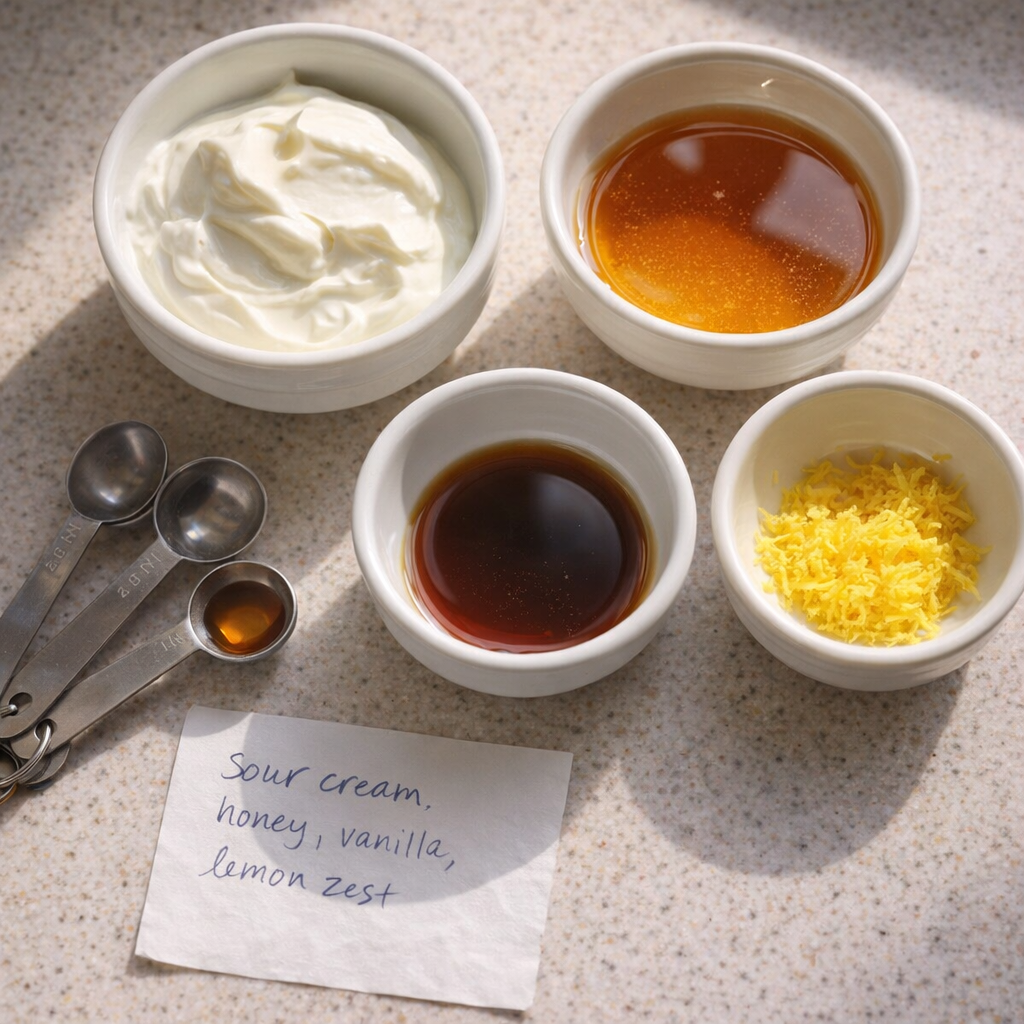
For my next attempt, I would consider using a thinner layer of sour cream, perhaps around 1/8 inch thick, to strike a better balance between the creaminess and the cherry filling. I might also experiment with adding a touch of honey or vanilla to the sour cream for an added layer of complexity.
Additionally, incorporating a bit of lemon zest directly into the sour cream could help enhance the tanginess without overpowering the cherries, creating an even more harmonious blend of flavors.
If you're someone who enjoys experimenting in the kitchen and appreciates the interplay of contrasting flavors, then the cold sour cream layer is definitely worth a try. It adds a unique twist to the classic cherry pie, transforming it into a sophisticated dessert that is sure to impress.
However, it's essential to consider your audience—those who prefer traditional flavors may find the tanginess unexpected. But for those willing to embrace the unexpected, this method offers a delightful new take on a beloved summer treat. With a bit of adjustment, the sour cream layer could become a beloved addition to your pie-baking repertoire.