
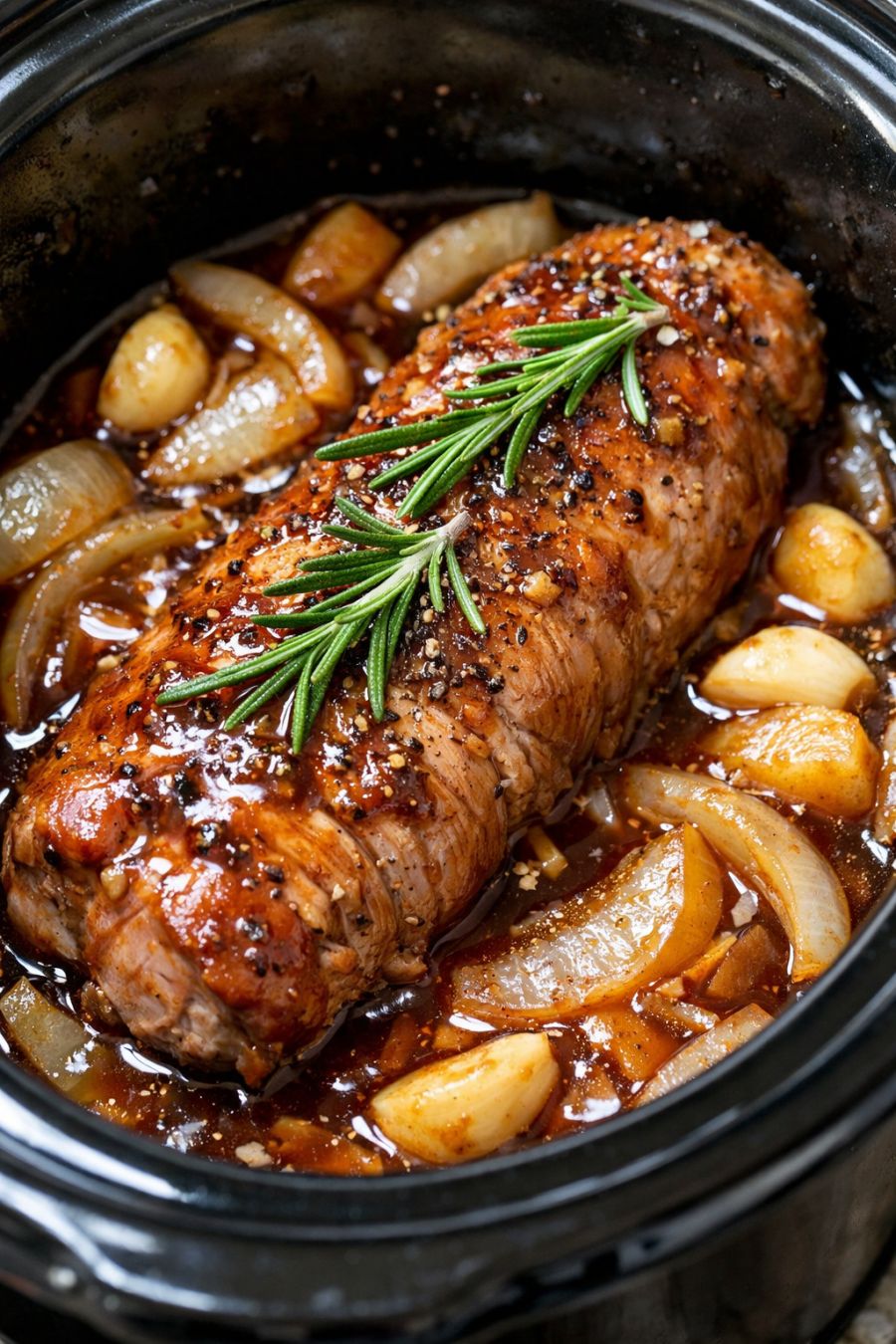
This 5-ingredient slow cooker flag day tenderloin is the kind of set-it-and-forget-it meal busy families dream about. You literally toss a raw pork tenderloin into the slow cooker, add four pantry-friendly ingredients, and let it slowly turn into something so tender and flavorful that everyone will be asking for seconds. It’s perfect for patriotic summer gatherings, potlucks, or any weeknight when you want a home-cooked meal without hovering over the stove.
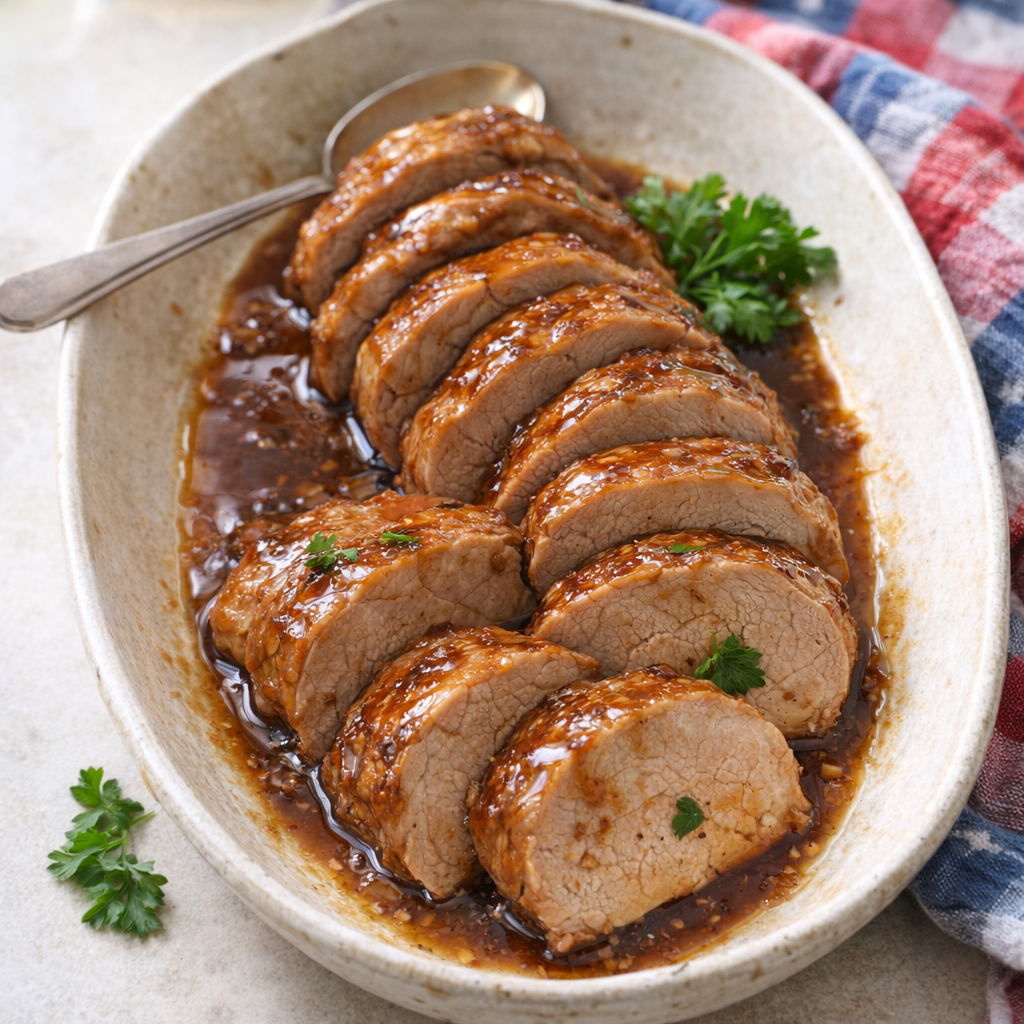
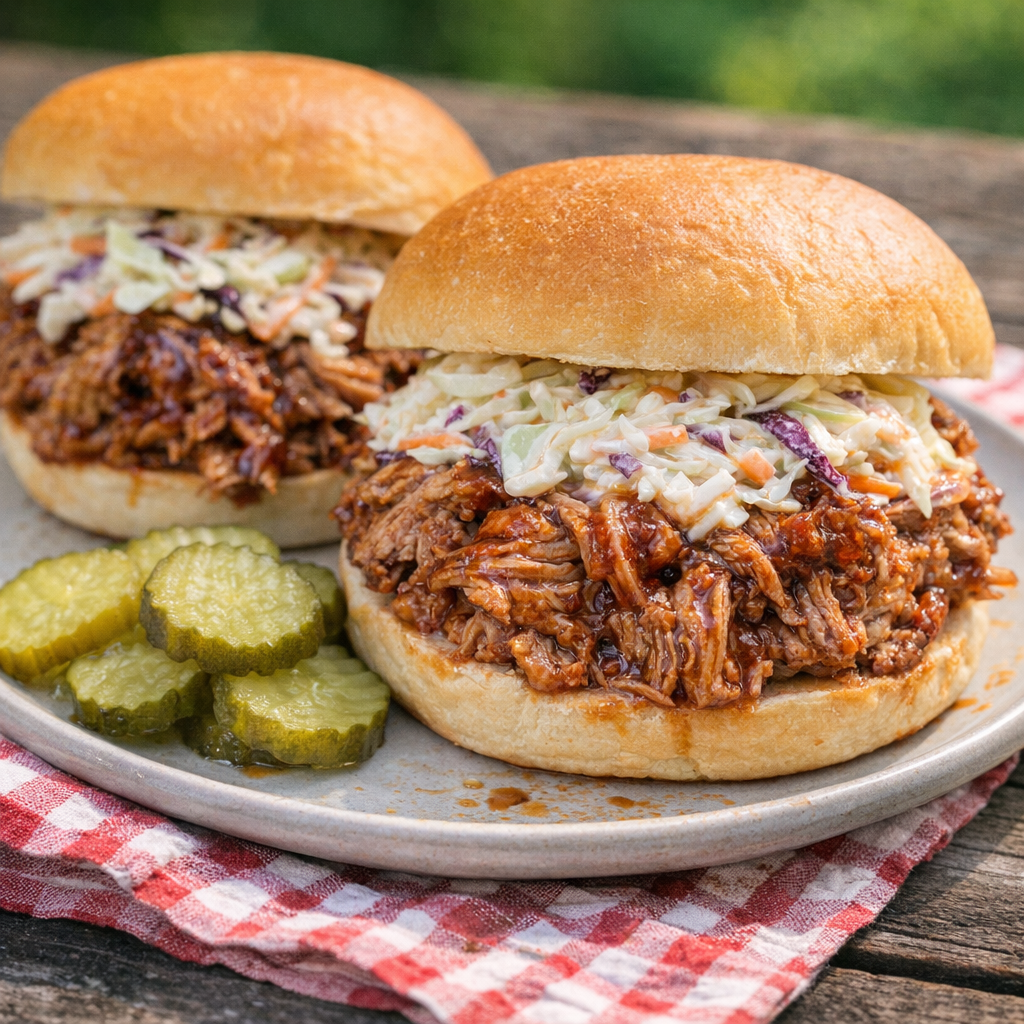
Serve this tender pork sliced or shredded with its sweet-and-savory juices spooned over the top. It’s wonderful with mashed potatoes, buttered egg noodles, or rice to soak up the sauce. Add a simple green side like steamed green beans, a tossed salad, or corn on the cob to round out the plate. For a more casual spread, pile the pork on soft sandwich buns with a scoop of coleslaw on top and some pickles on the side.
5-Ingredient Slow Cooker Flag Day Tenderloin
Servings: 6
Ingredients
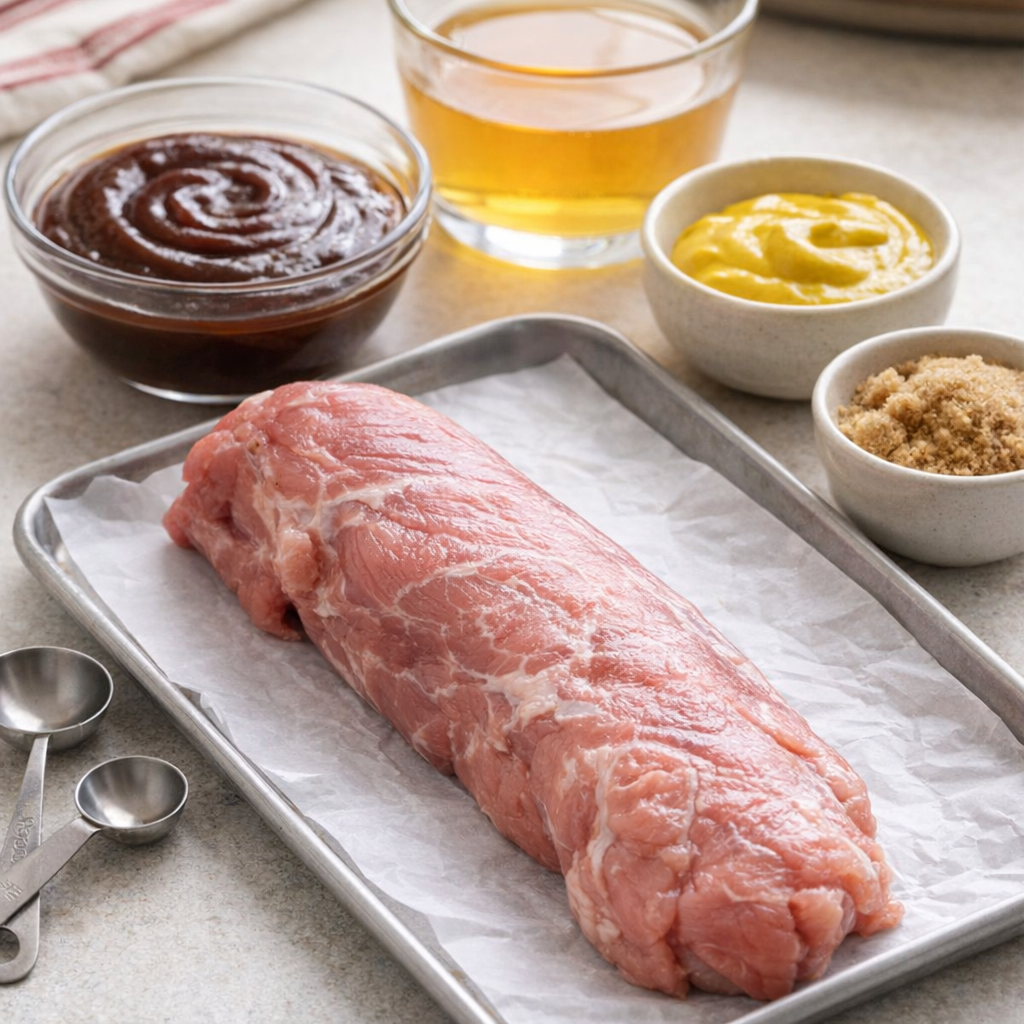
2 to 2 1/2 pounds raw pork tenderloin (1–2 pieces)
Directions
Place the raw pork tenderloin in the bottom of a 4- to 6-quart slow cooker, laying the pieces in a single layer if possible. This is your base—no need to sear or pre-cook.
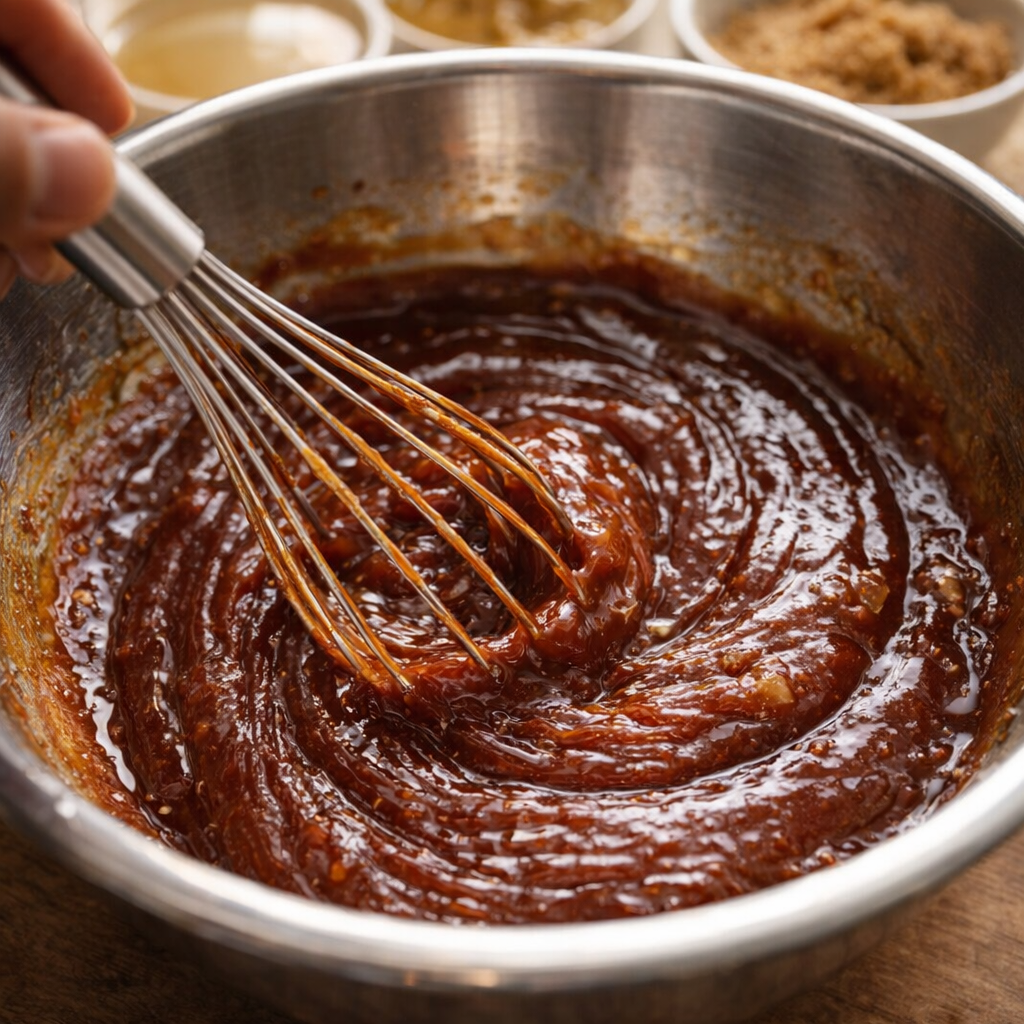
In a medium bowl, whisk together the barbecue sauce, apple juice, yellow mustard, and brown sugar until the mixture is smooth and the sugar is mostly dissolved.
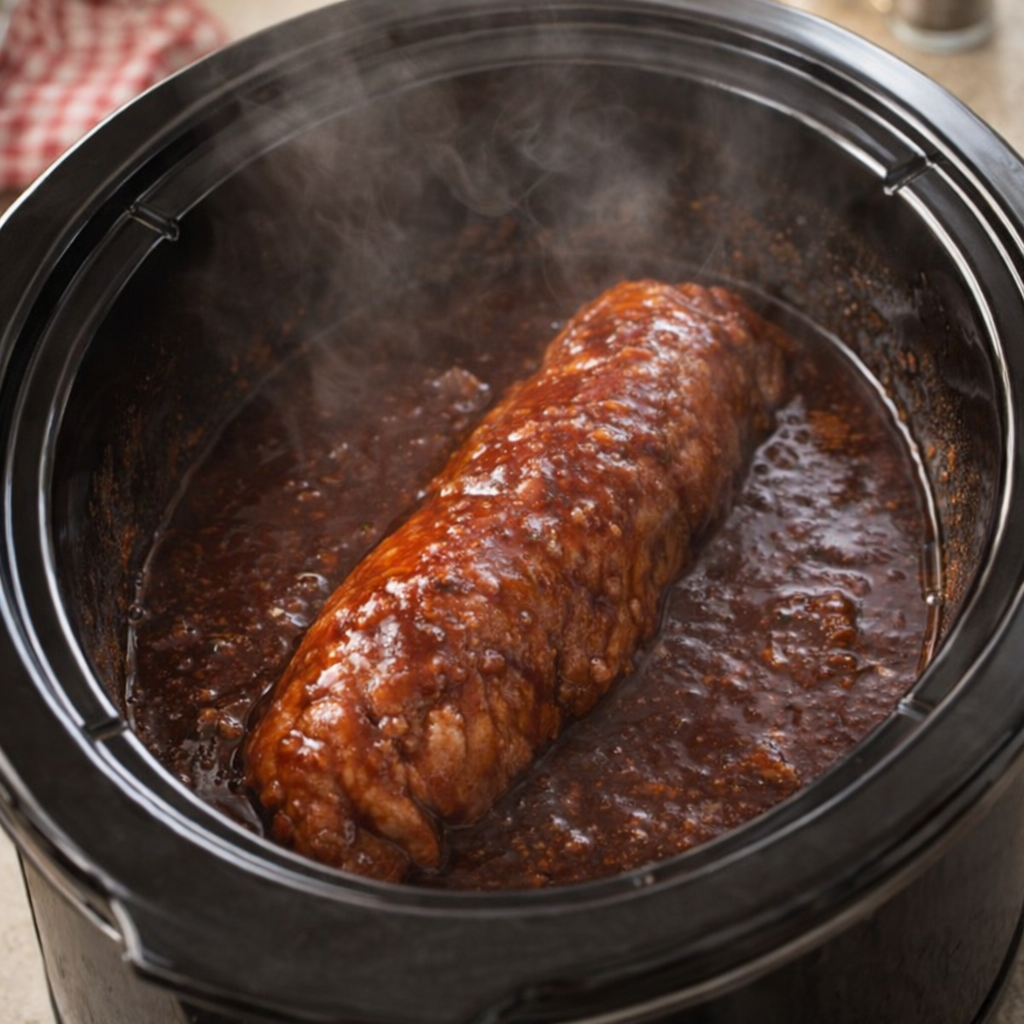
Pour the sauce mixture evenly over the pork tenderloin, making sure the meat is coated and there is some liquid pooling around it at the bottom of the slow cooker.
Cover the slow cooker with the lid and cook on LOW for 6–8 hours or on HIGH for 3–4 hours, or until the pork is very tender and easily shreds with a fork. The internal temperature should reach at least 145°F (63°C).
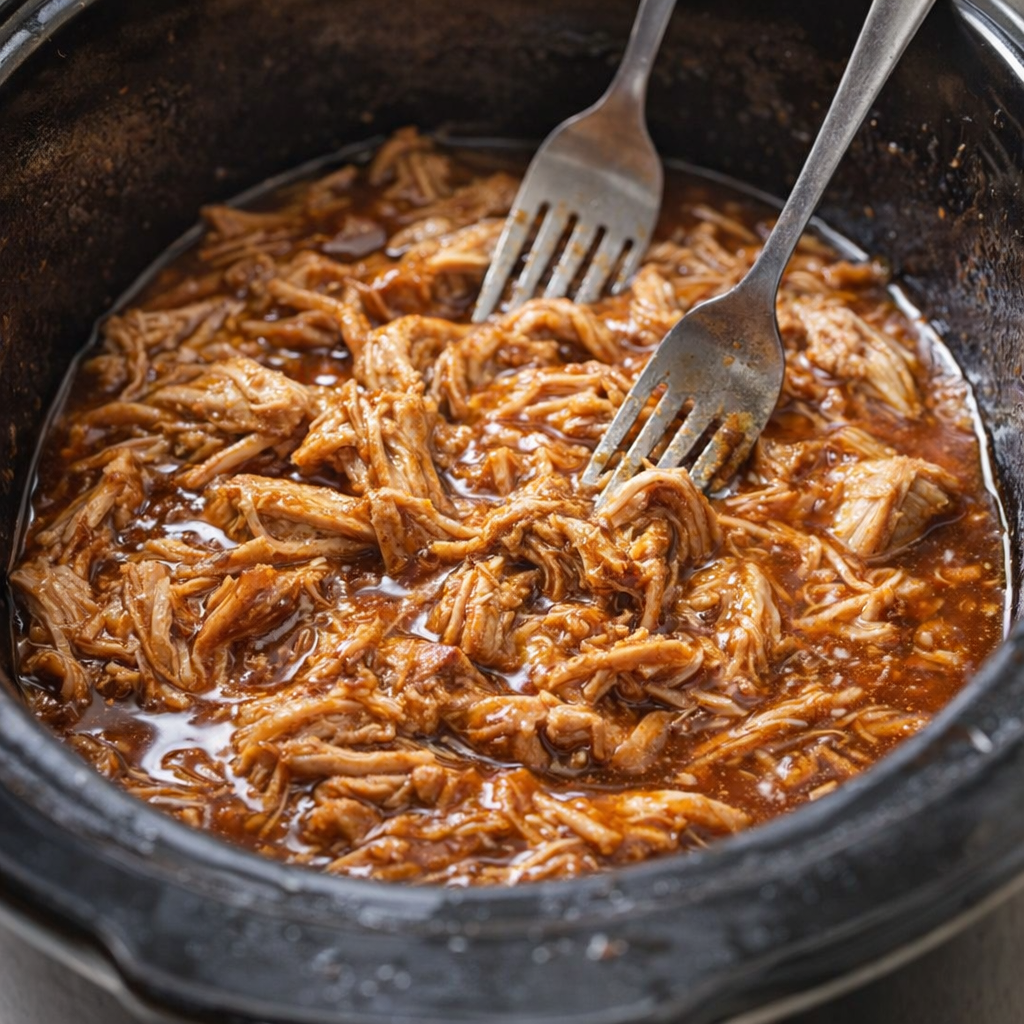
Once cooked, carefully remove the tenderloin to a cutting board. Let it rest for 5–10 minutes, then slice it into medallions or use two forks to gently shred the meat.
Stir the cooking juices in the slow cooker, then return the sliced or shredded pork to the pot and toss to coat in the sauce. Taste and add a little salt and black pepper if desired.
Keep the slow cooker on WARM until ready to serve, stirring occasionally so everyone gets plenty of that flavorful sauce over their portion.
Variations & Tips
For milder palates or picky eaters, choose a sweeter, less smoky barbecue sauce and reduce the mustard to 1 tablespoon. If your family likes a little kick, use a spicy barbecue sauce and add a pinch of red pepper flakes to the sauce mixture. You can also swap the apple juice for pineapple juice for a tropical twist, or use cola instead for a deeper, caramel-like flavor.
If you prefer a thicker sauce, after removing the pork, turn the slow cooker to HIGH and simmer the juices with the lid off for 10–15 minutes, or whisk in 1 tablespoon of cornstarch mixed with 2 tablespoons cold water and cook until thickened before tossing with the meat. For a lighter option, serve the pork over cauliflower rice or in lettuce wraps instead of on buns or over potatoes.
Food safety tips: Always start with fully thawed pork; do not place frozen tenderloin directly into the slow cooker, as it may stay too long in the temperature “danger zone.” Use a clean meat thermometer to ensure the pork reaches at least 145°F (63°C) in the thickest part. Refrigerate leftovers within 2 hours of cooking in shallow containers, and reheat to at least 165°F (74°C) before serving again. Avoid lifting the lid repeatedly during cooking, as this can lower the temperature and extend cook time.
