
Eggs are a staple in many households, renowned for their versatility and ease of preparation. Out here in the Midwest, they’ve long been one of those reliable kitchen standbys I’ve leaned on through busy mornings, church potlucks, and quiet breakfasts at the farmhouse table. Whether you prefer them scrambled, fried, or poached, there’s no denying that eggs are a breakfast favorite.
However, even the most beloved dishes can sometimes benefit from a little experimentation. In my own quest for the perfect scrambled eggs, I stumbled upon an unconventional addition: yellow prepared mustard.
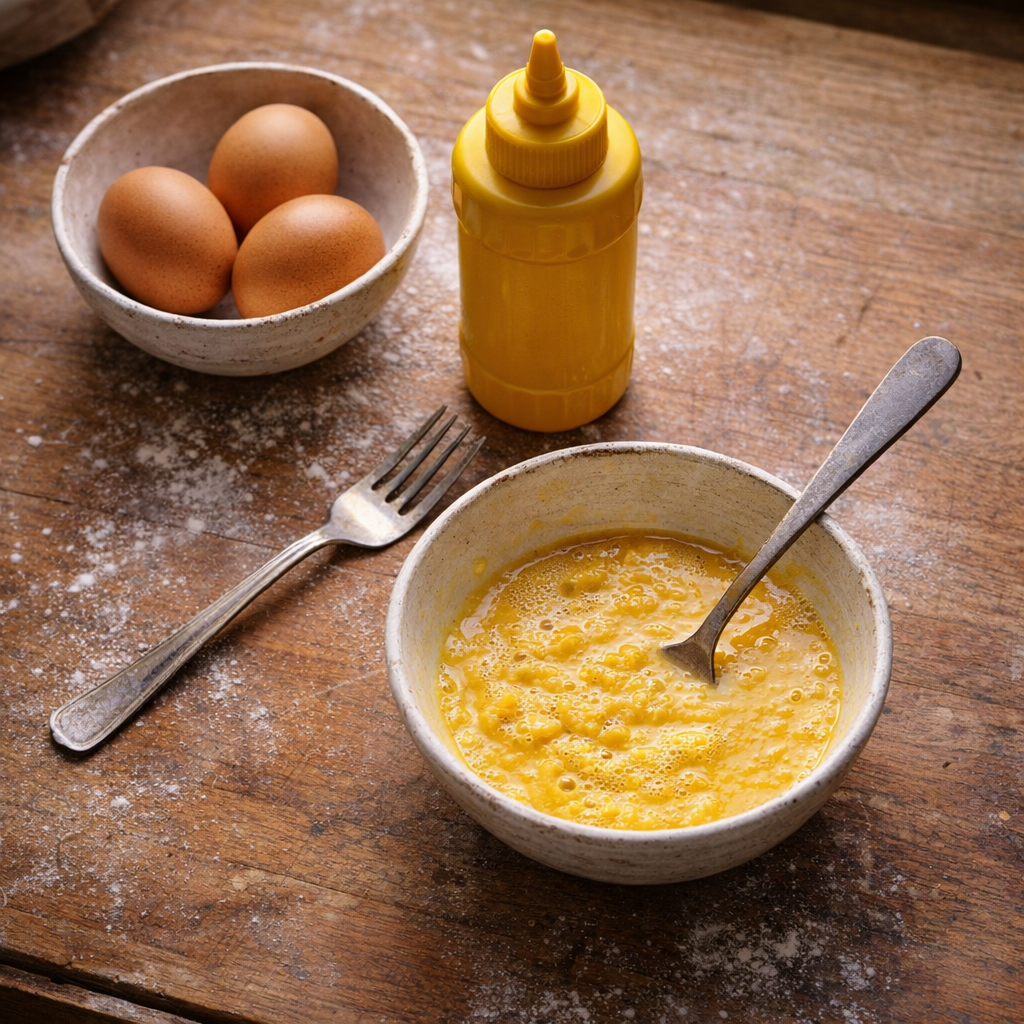
Mustard, with its tangy and sharp flavor, might not be the first ingredient you think of when it comes to eggs. Yet the idea of adding a tablespoon of this condiment to my raw scrambled egg mixture intrigued me. The potential for a unique flavor profile and texture was too tempting to resist, so I decided to give it a try. Here’s what happened when I dared to mix things up in my morning routine.
1. Why I Put a Full Tablespoon of Yellow Mustard in My Eggs
The decision to add mustard to my eggs was inspired by a desire to explore new flavors and enhance the taste of a classic breakfast dish. Mustard is known for its ability to cut through richness with its acidity, which I believed could complement the creamy texture of scrambled eggs. Using a full tablespoon was intentional; I wanted the mustard to make a noticeable impact without overpowering the eggs.
By incorporating mustard, I hoped to achieve a balance that would elevate the dish, much like adding a spoonful of relish to deviled eggs at a family picnic or a swipe of mustard onto a ham sandwich after Sunday service. The tanginess of the mustard was expected to add a refreshing twist, potentially making the scrambled eggs more exciting and flavorful.
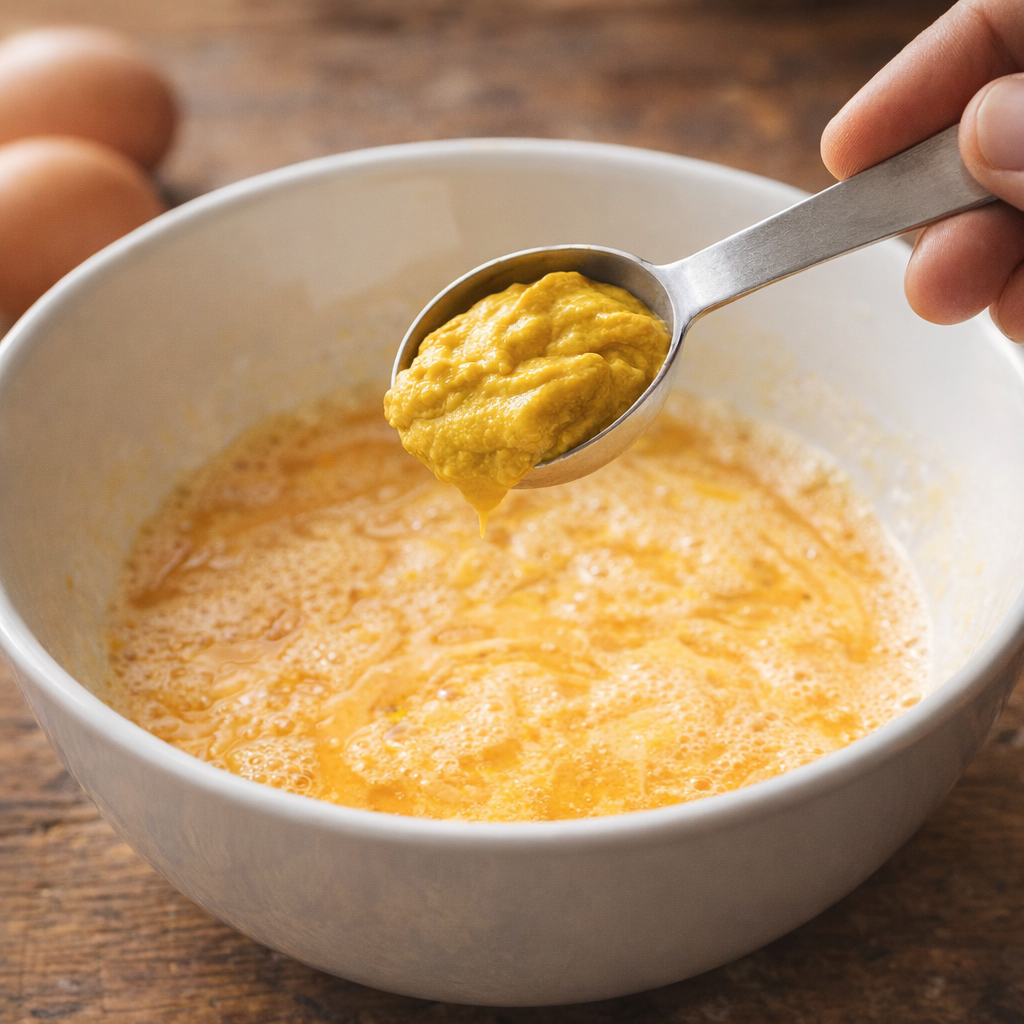
2. The Exact Egg-and-Mustard Ratio I Used (And Why It Matters)
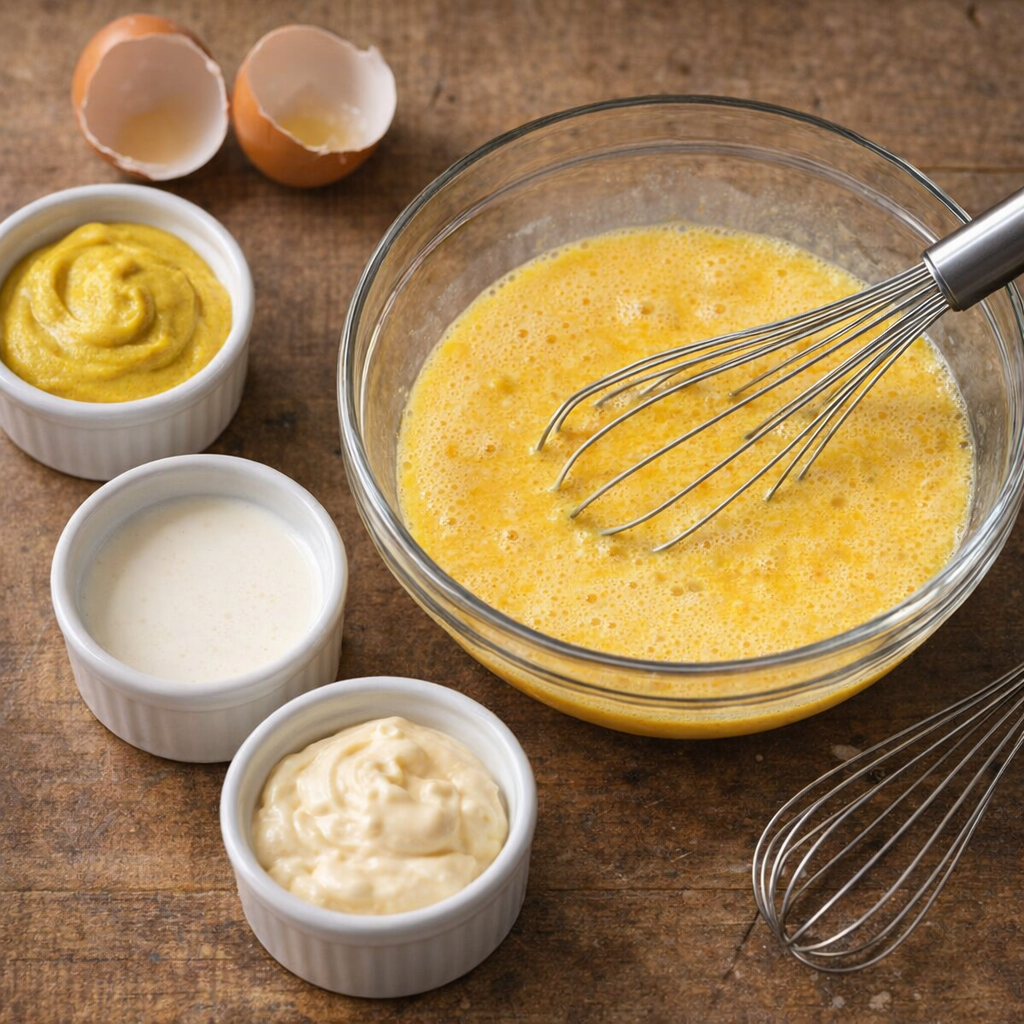
For this experiment, I used three large eggs, which is my standard serving for scrambled eggs. To this, I added one full tablespoon of yellow prepared mustard. The ratio here is crucial; too much mustard could dominate the dish, while too little might not be noticeable. The one tablespoon to three eggs ratio was chosen to ensure that the mustard’s flavor would be present but not overwhelming.
Adjusting the ratio could lead to different results, such as a more subtle hint of mustard if less is used, or a sharper taste if more is added. This balance is key in achieving the desired taste and texture.
3. What Happened in the Pan During Those First 8 Minutes
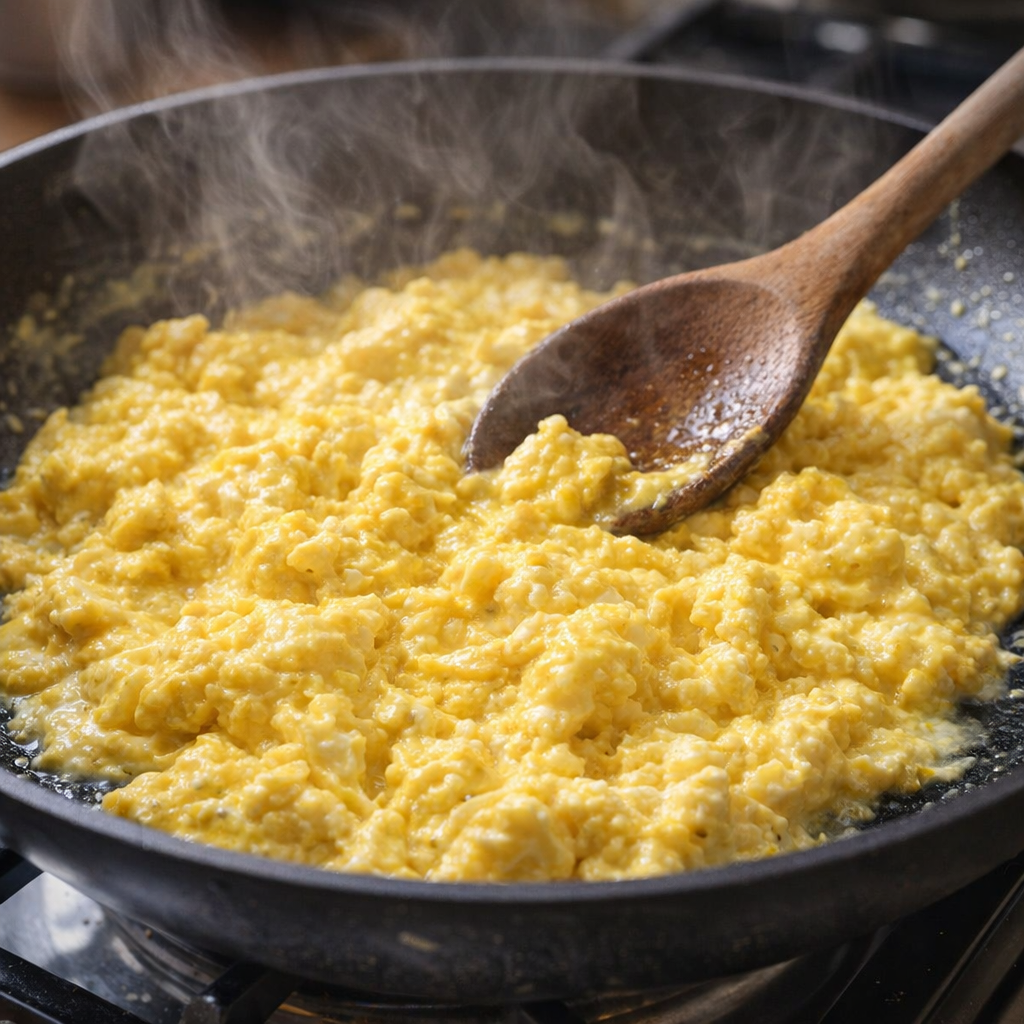
As I poured the mustard-infused egg mixture into the preheated non-stick pan, I noticed that it spread evenly, with the mustard blending seamlessly into the eggs. I kept the heat on medium-low, stirring gently but continuously to prevent any sticking or overcooking.
During the first few minutes, the eggs began to coagulate and form soft curds. The mustard seemed to integrate well, without separating or clumping. The low-and-slow cooking method ensured that the eggs cooked evenly, allowing the mustard flavor to infuse throughout.
4. The Surprising Change in Color and Appearance
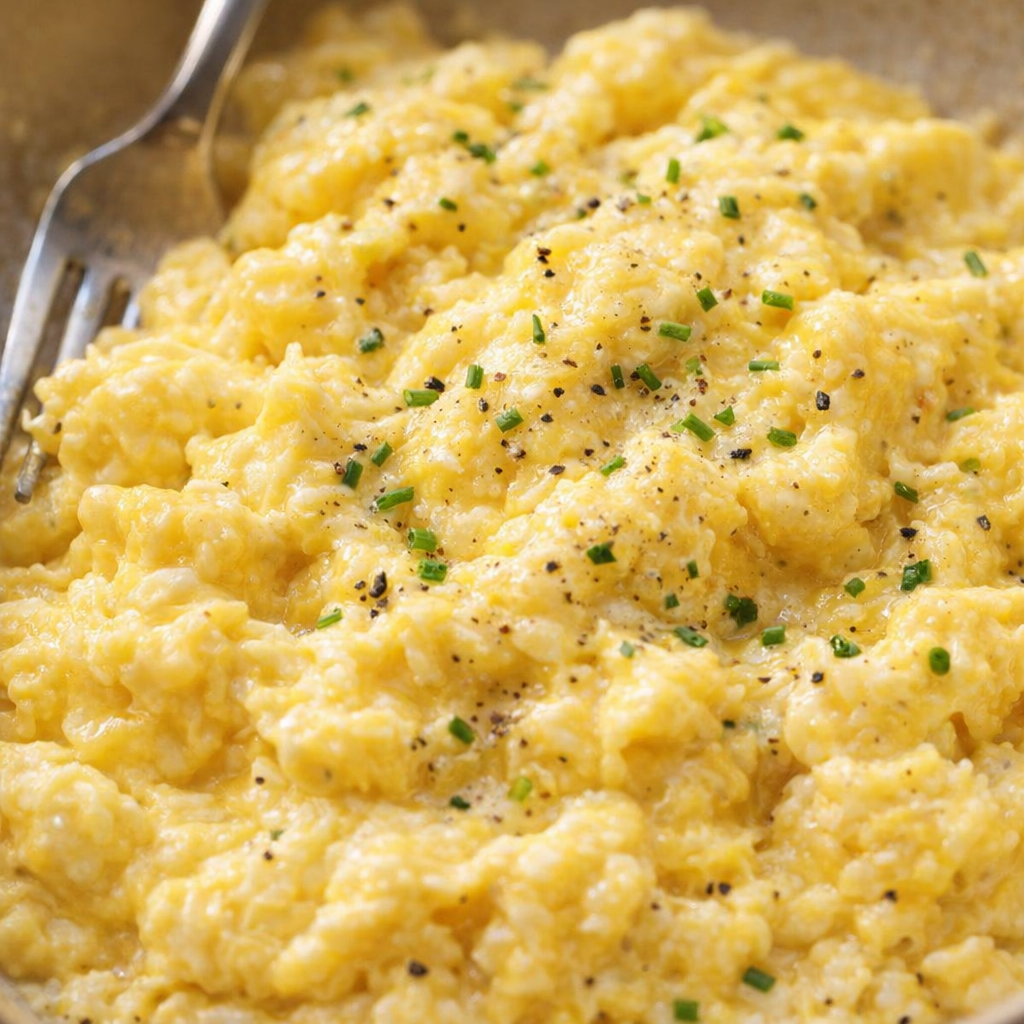
One of the first noticeable changes was the color of the eggs. The addition of mustard gave the scrambled eggs a slightly deeper yellow hue than usual. This was not entirely unexpected, given the mustard’s natural color, but it was still a pleasant surprise to see the vibrant shade it imparted.
The appearance of the eggs was also somewhat altered. They looked creamier and more cohesive, possibly due to the emulsifying properties of the mustard. That visual change hinted at the textural differences I would soon taste.
5. How the Mustard Transformed the Flavor Profile
The flavor transformation was immediate and intriguing. The mustard added a tangy, slightly spicy note that complemented the richness of the eggs. This subtle zing was refreshing and provided a new dimension to the classic scrambled egg taste.
The acidity of the mustard cut through the creaminess in a way that brightened the overall flavor profile. It was a delightful change that made the eggs taste more dynamic and less one-dimensional.
6. The Impact on Texture: Fluffiness, Creaminess, or Rubber?
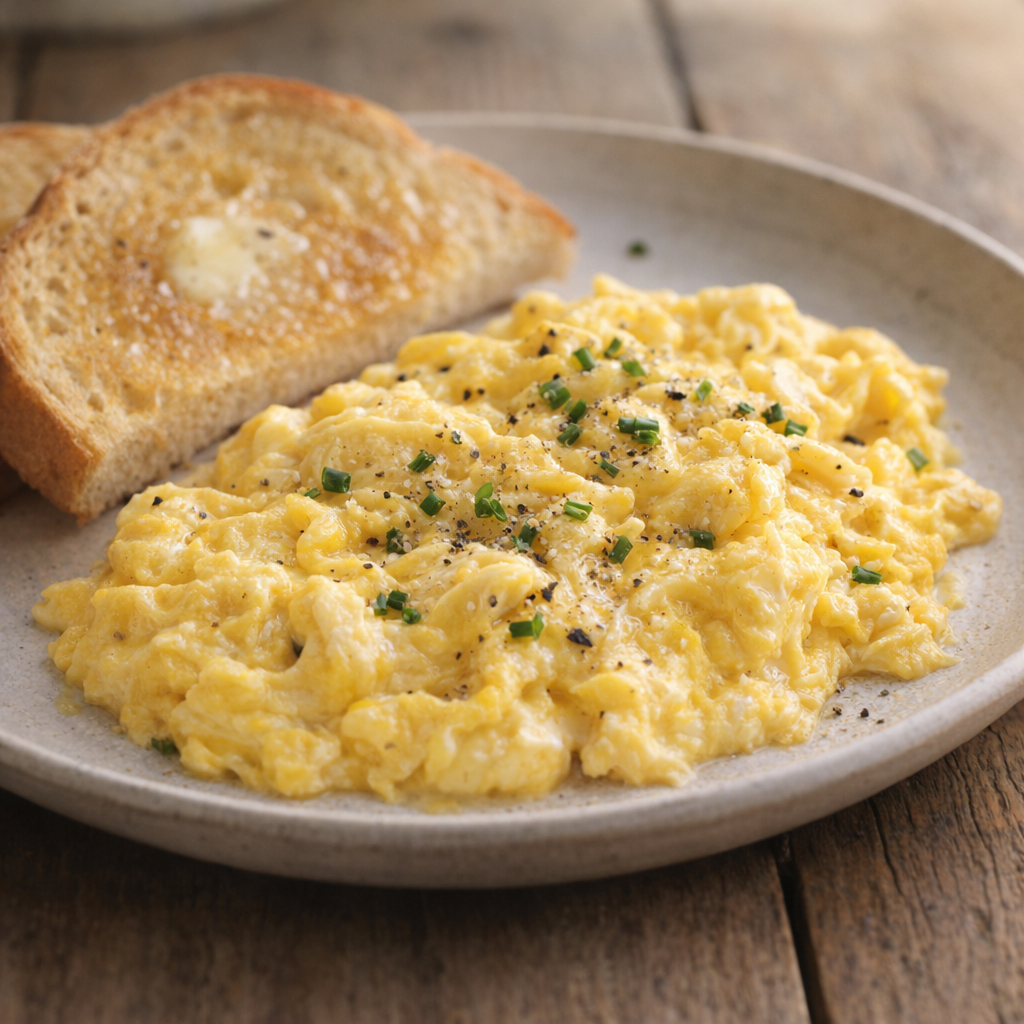
Texturally, the eggs were a pleasant surprise. The mustard seemed to enhance the creaminess without compromising the fluffiness. The eggs were soft and tender, not rubbery or overcooked, which can sometimes happen with scrambled eggs.
This improvement in texture may be attributed to the mustard’s emulsifying properties, which helped stabilize the mixture and prevent the eggs from becoming too dense or dry.
7. Did the Mustard Make the Eggs Taste Less ‘Eggy’?
Interestingly, the mustard did help tone down the “egginess” that some people find off-putting in scrambled eggs. The tang and spice of the mustard provided a contrast to the eggs’ natural flavor, making the dish taste less like plain eggs and more like a composed breakfast plate.
This could be particularly appealing to those who enjoy eggs but are looking for a way to soften their sometimes sulfuric undertones with a complementary flavor.
8. Heat, Acidity, and Science: What’s Really Going On Here
The science behind this culinary experiment lies in the mustard’s acidity and emulsifying properties. Mustard contains vinegar, which is acidic and can help break down proteins in the eggs, leading to a more tender texture. This acidity can also reduce the sulfuric compounds that contribute to the “eggy” smell and taste.
Moreover, the emulsifiers in mustard help blend the fat and water content in the eggs, resulting in a smoother, creamier consistency. This combination of heat and acidity works together to create a unique and enjoyable scrambled egg experience.
9. How This Hack Compares to Adding Milk, Cream, or Mayo
Traditionally, milk, cream, or mayo are added to scrambled eggs to enhance their texture and flavor. Each of these ingredients brings a different quality: milk adds lightness, cream adds richness, and mayo adds a subtle tang and creaminess.
Mustard, however, offers a different set of benefits. While it does not add the same richness as cream, it contributes a tangy, sharp flavor that the others do not. It also helps keep the eggs moist and tender, similar to the effect of mayo, but with a distinct flavor profile that sets it apart.
10. Best Ways to Serve Mustard-Spiked Scrambled Eggs
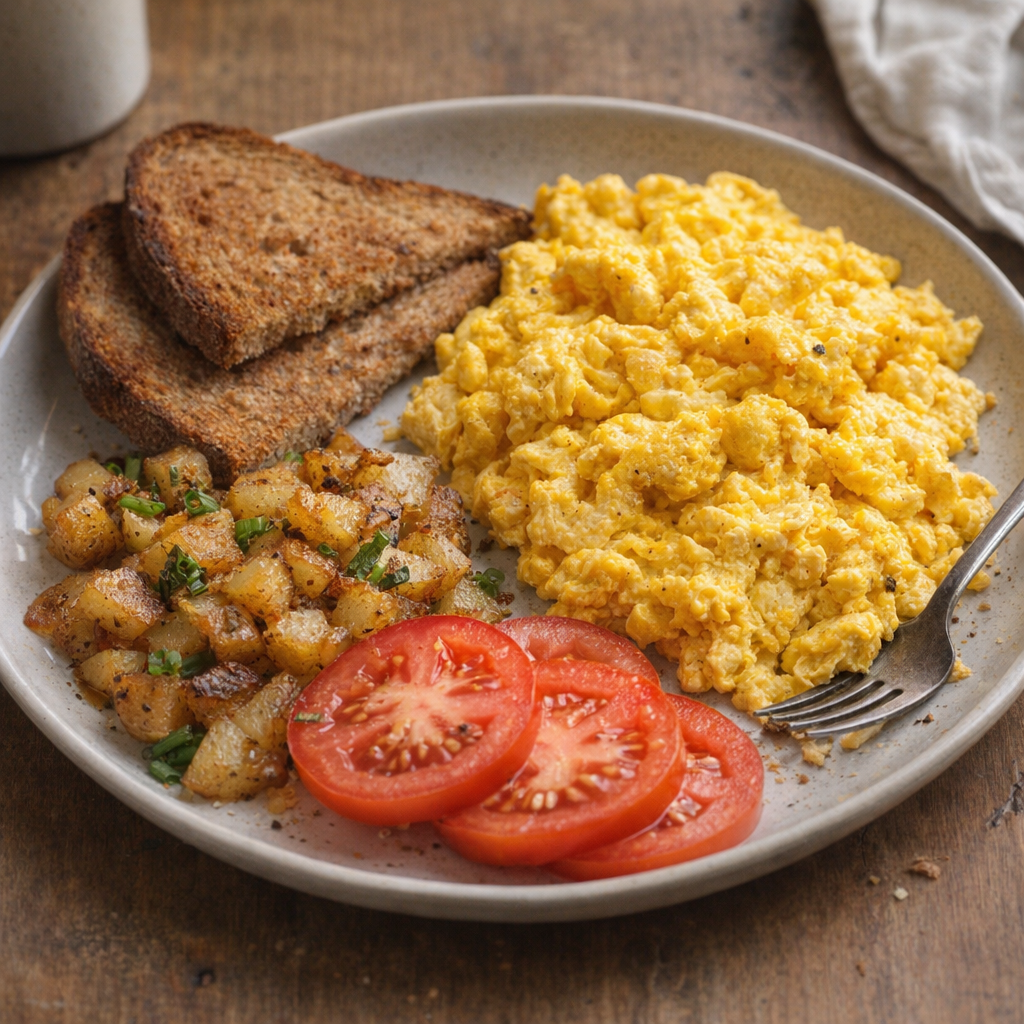
Mustard-spiked scrambled eggs can be served in a variety of ways to complement their unique flavor. They pair especially well with toasted sourdough or rye bread, both of which can stand up to the tanginess of the mustard.
For an elevated breakfast experience, consider serving them with smoked salmon or tucking them into a breakfast burrito with avocado and spinach. Around here, I could also see them alongside skillet potatoes or a slice of tomato in the summertime. The mustard adds a lively kick that enhances these combinations.
11. Would I Do It Again? Who This Trick Is (And Isn’t) For
After trying mustard in my scrambled eggs, I would definitely consider doing it again, especially when I’m in the mood for something a little different. This trick is ideal for adventurous eaters who enjoy bold flavors and are looking to brighten up their breakfast routine.
However, it might not be for everyone. Those who prefer traditional scrambled eggs or have an aversion to mustard should proceed with caution. Still, for anyone open to a little kitchen experimentation, this simple addition can transform a classic dish into something new and surprisingly cheerful.
